FREE SHIPPING FOR ORDERS OVER $199
60 DAYS RETURN POLICY
5% OFF FOR NEWSLETTER-SIGN UP
Neo Deco: How to bring the biggest interior trend of 2026 into your home
What Is Neo Deco — and how is it different from Art Deco?
Neo deco is a contemporary reinterpretation of classic Art Deco. The Art Deco movement emerged in the early 20th century and left its biggest mark on the 1920s and 1930s, influencing far more than interiors — it shaped architecture, fashion, jewellery and product design too.
Art Deco is known for clean geometric shapes, symmetry and strong contrast. Fan and sunburst motifs, stepped forms and graphic patterns sit alongside materials with an unmistakably luxurious feel. Brass, chrome, glass, marble and dark wood were often combined for maximum impact.
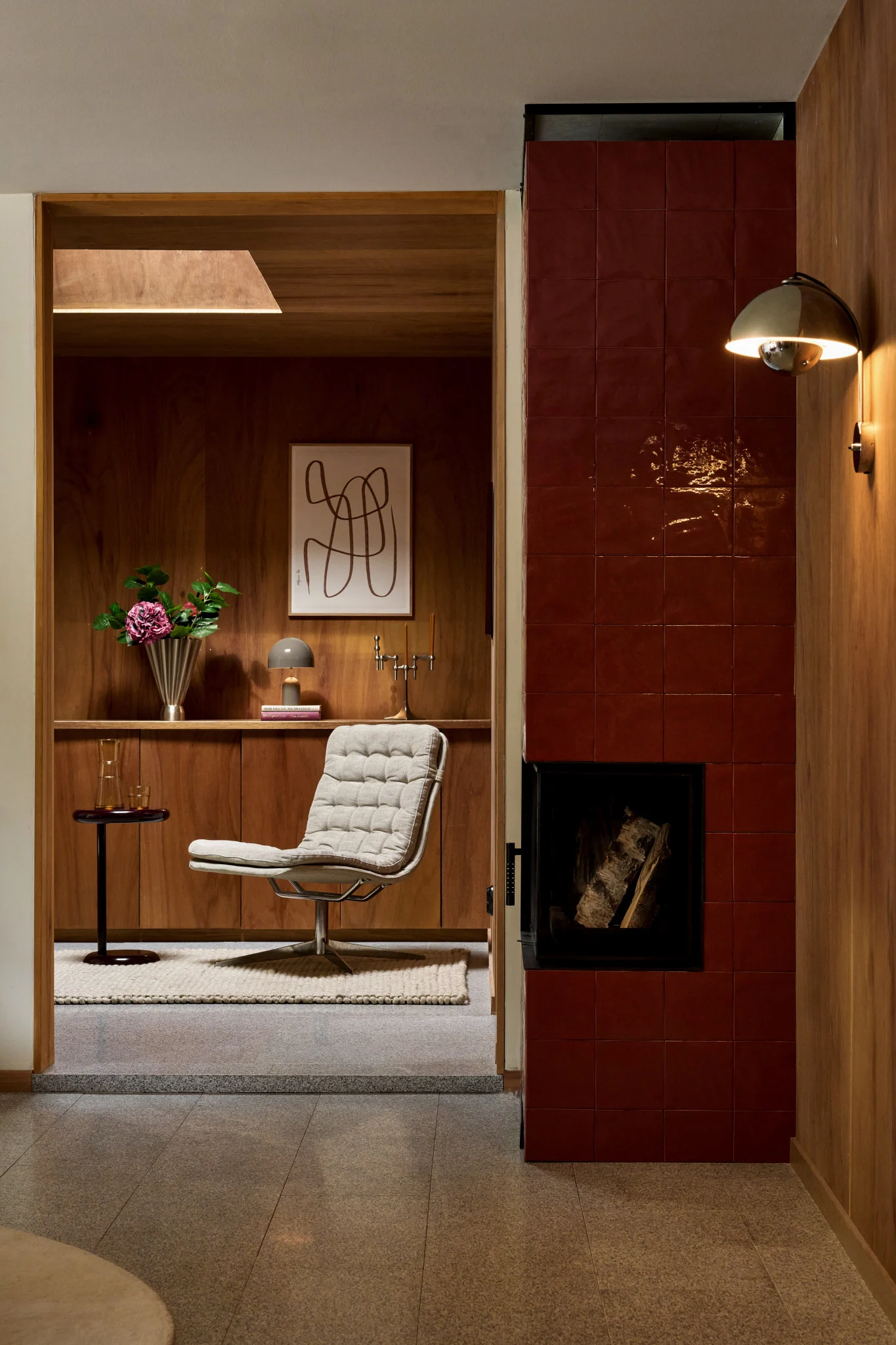
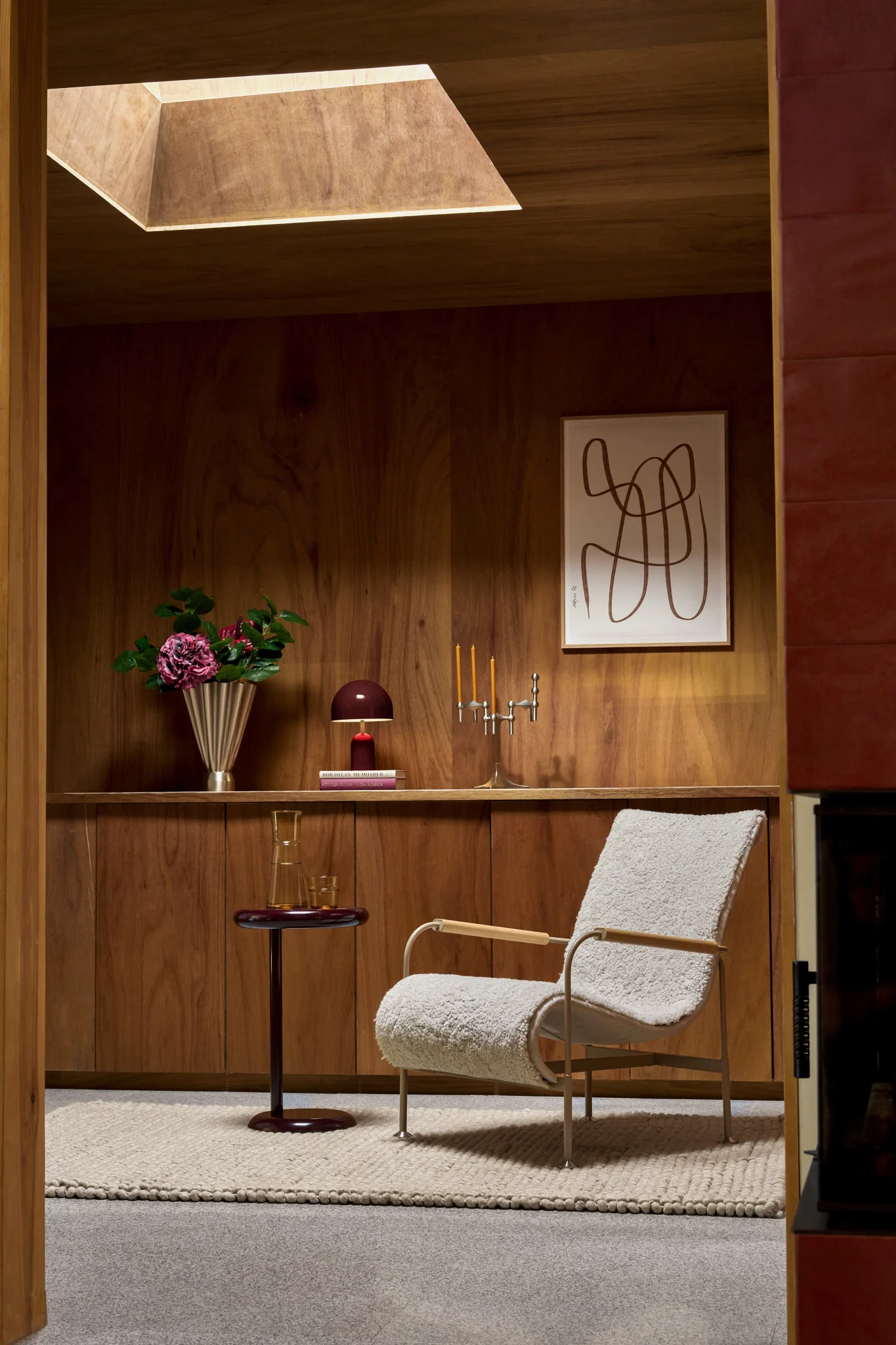
Neo deco borrows these elements but makes them easier to live with day to day. Rather than recreating a bygone era from top to bottom, it weaves individual Art Deco details into contemporary modern interior design. Geometric lines meet organic curves, dark wood sits alongside light natural materials, and glossy surfaces are softened by textiles.
The luxurious spirit of Art Deco gets a rethink too. Neo deco can still feel elegant and glamorous, but it's less formal and far more livable. It's not about faithfully recreating the 1920s, the Neo Deco trend is about blending historical influence with the way we actually live now.
Why is Neo Deco so popular right now?
The trend has arrived at a moment when our idea of a modern home is shifting. Light wood, neutral colours and pared-back interiors have dominated for years. Now, there's growing appetite for rooms that make more of an impression through colour, material and personal detail.
That doesn't mean minimalism is being abandoned, rather a quieter, neutral base is being layered with pieces that have more character. A cherished vintage find can sit comfortably next to a modern design piece, keepsakes are given pride of place, and furniture no longer has to come from a single matching collection.
There's also a broader appetite for revisiting past design eras by picking out their most distinctive elements and reinterpreting them for today. Neo deco fits neatly into this shift towards interiors that feel more personal, more eclectic, and less rigidly coordinated.
The key features of Neo Deco
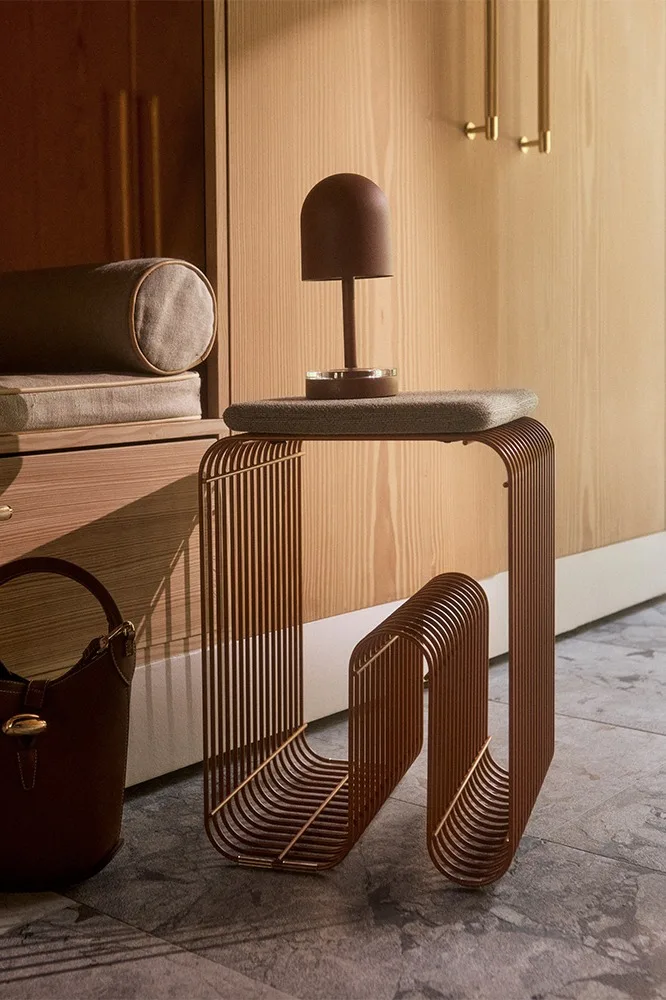
Geometric shapes and curved silhouettes
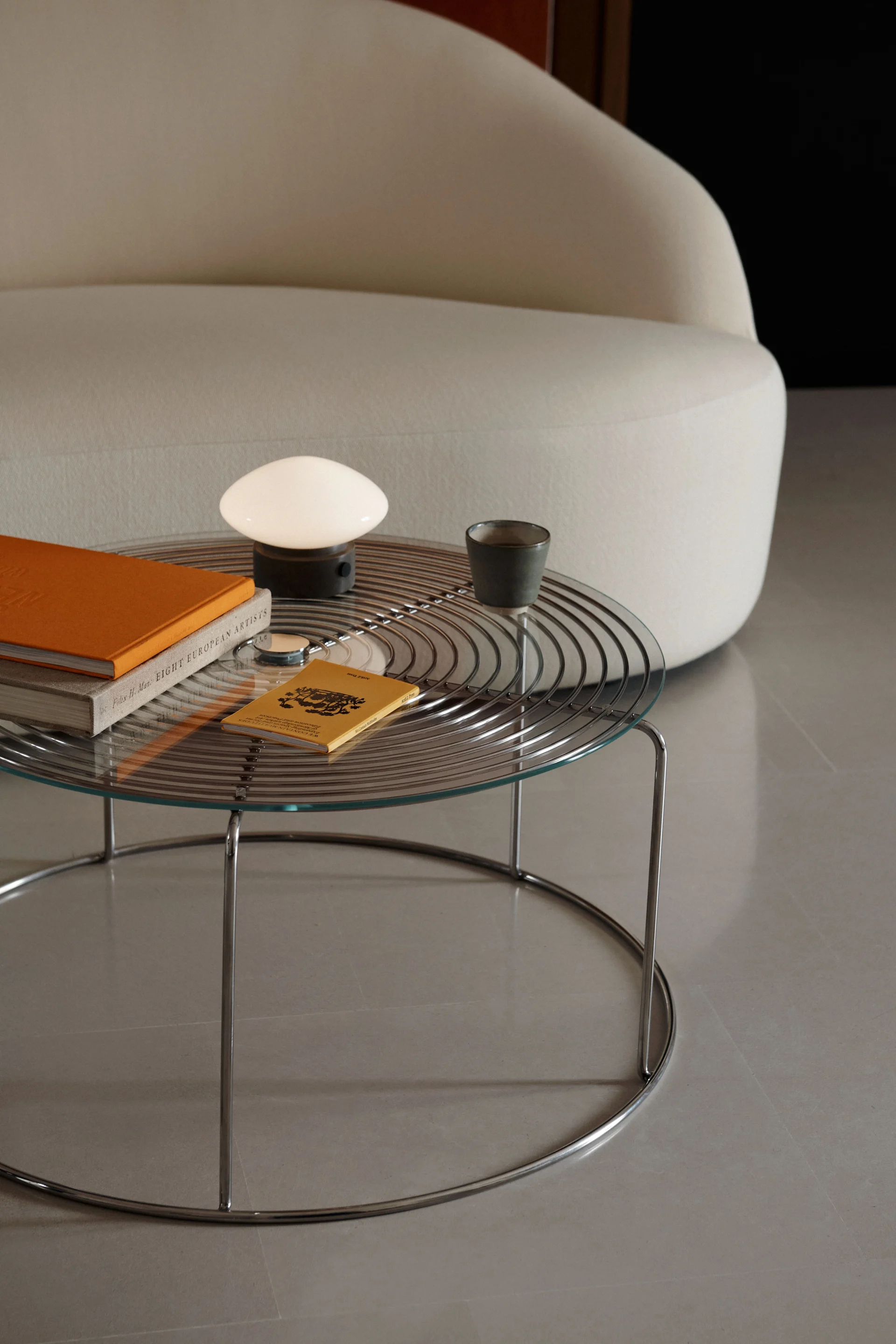
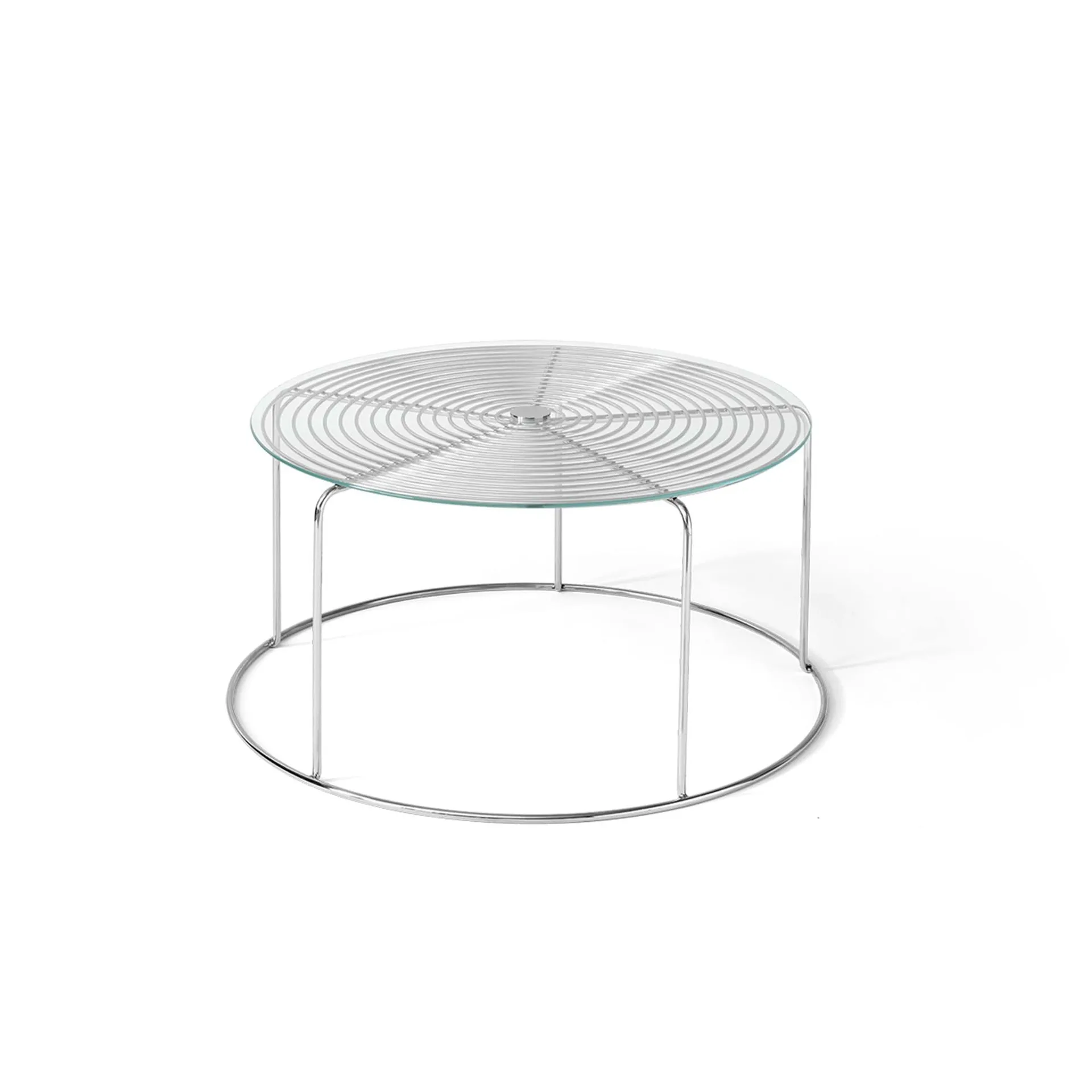
Geometric shapes is one of the clearest links between neo deco and its historical predecessor. Fan shapes, half-circles, arches, fluting and symmetrical patterns give furniture and homeware a graphic, sculptural quality.
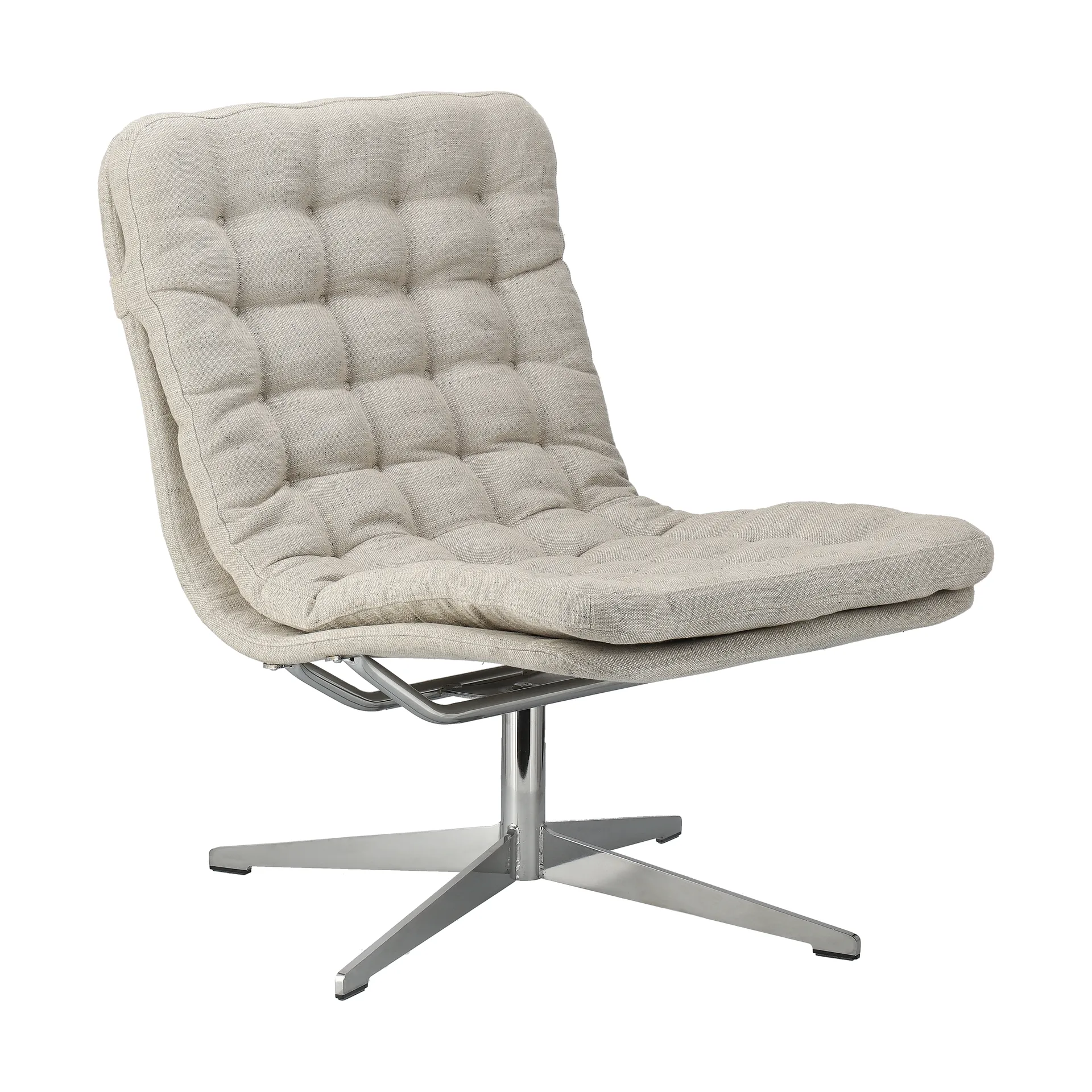
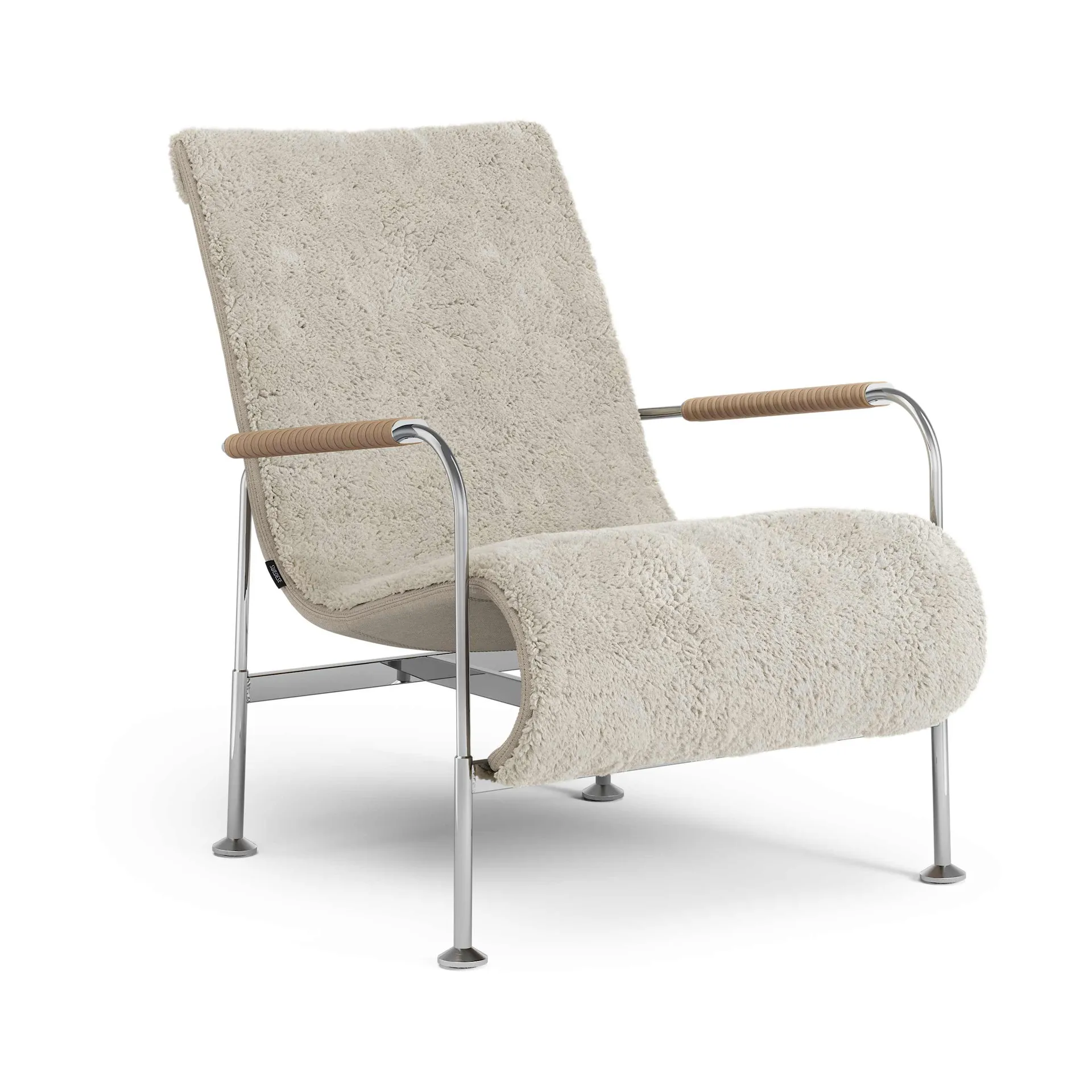
At the same time, today's version of the style tends to be softer. Rounded armchairs, curved sofas, organically shaped tables and arched mirrors bring movement into a room.
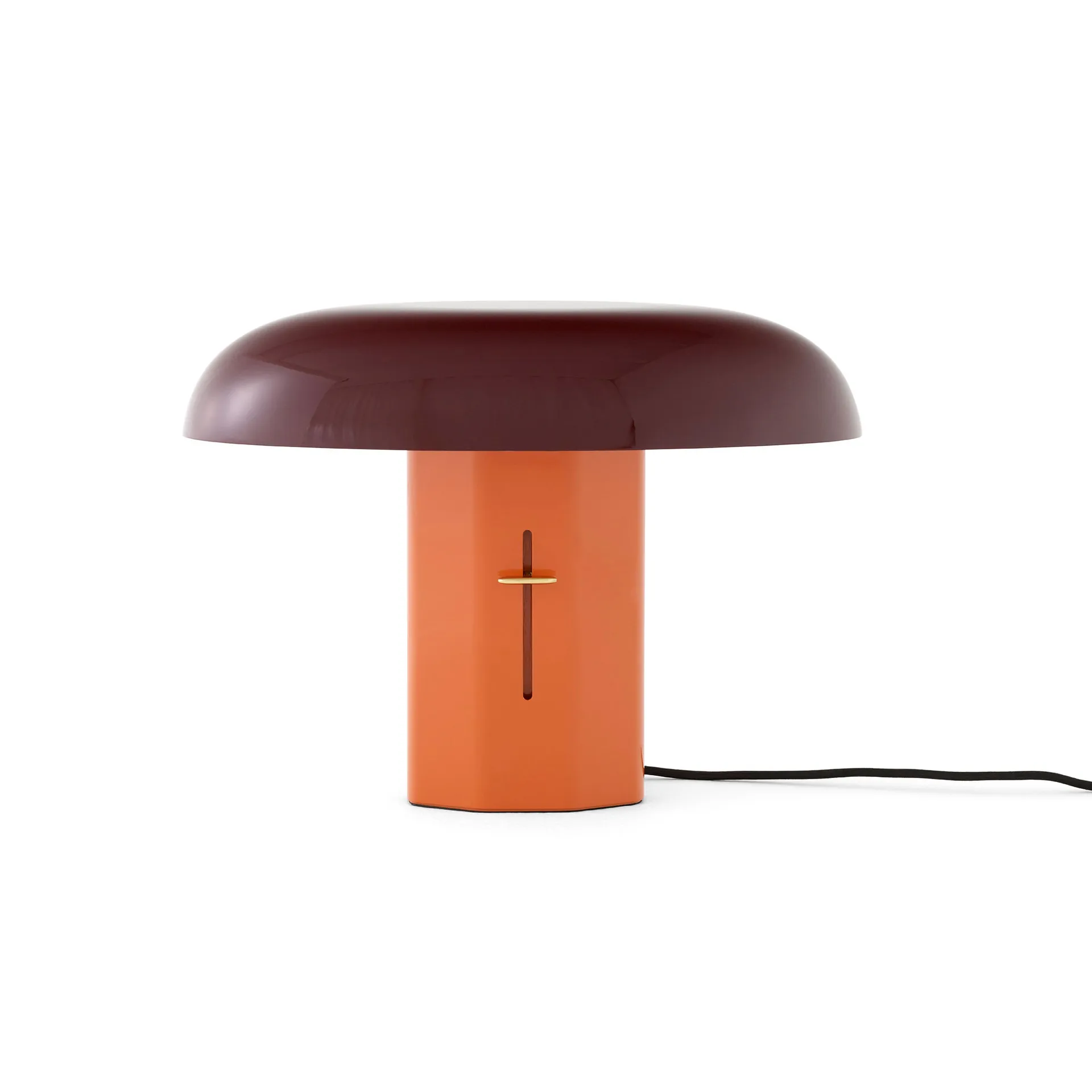
The real character of neo deco comes from combining both worlds: a strong, straight-lined piece of furniture can be softened by a round mirror nearby, while a sculptural lamp adds presence to an otherwise simple table.
Wood tones that add depth
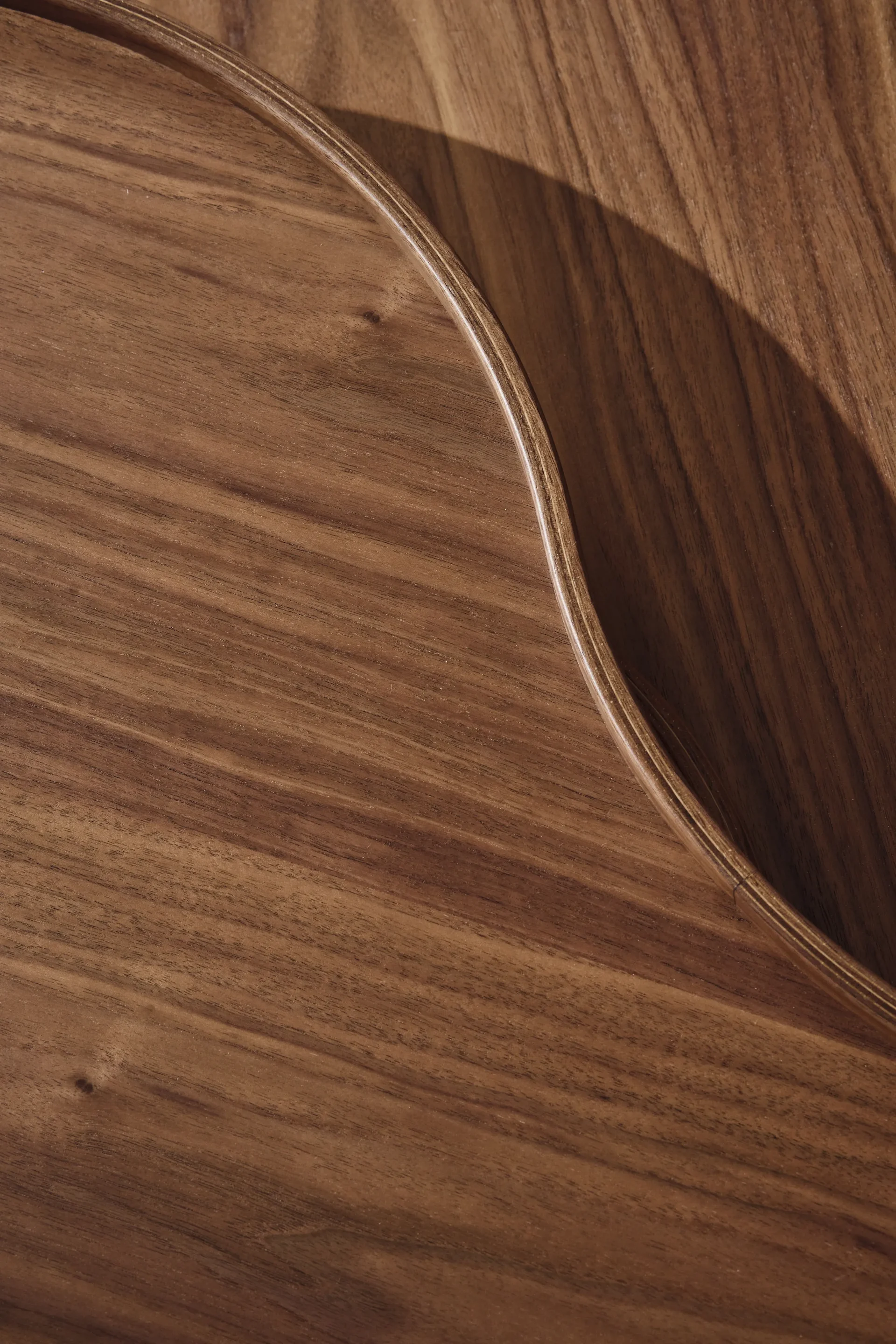
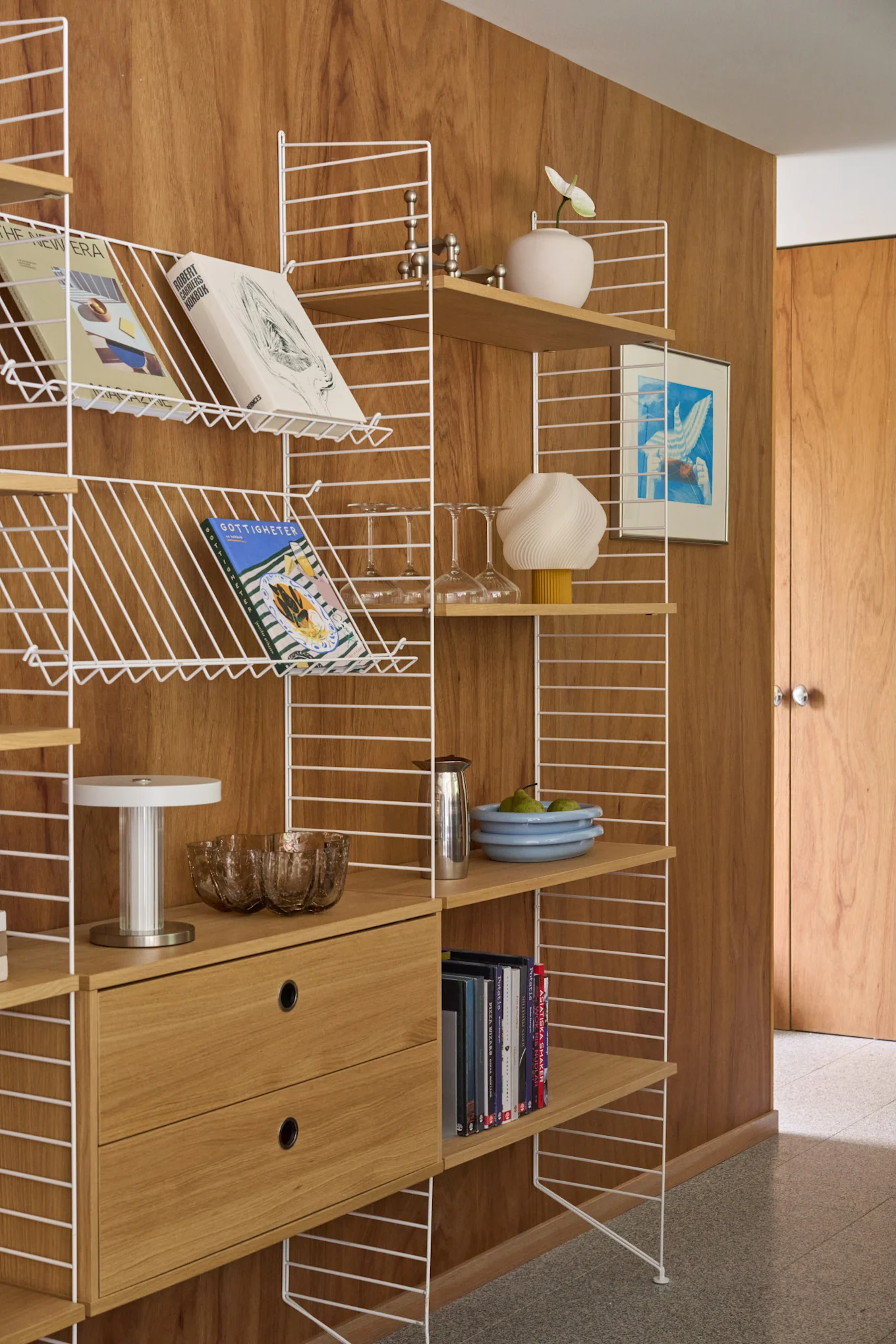
Dark wood is central to the neo deco look. Warm, deep wood tones give furniture an elegant presence and create a beautiful contrast against pale walls or light textiles.
You don't need to furnish an entire room in dark wood to get the effect — a sideboard, a coffee table, or even a single side table can make a real statement on its own.
Dark wood tones are especially effective paired with warm colours, natural materials and the occasional metallic detail. That combination gives a space real depth without ever feeling heavy.

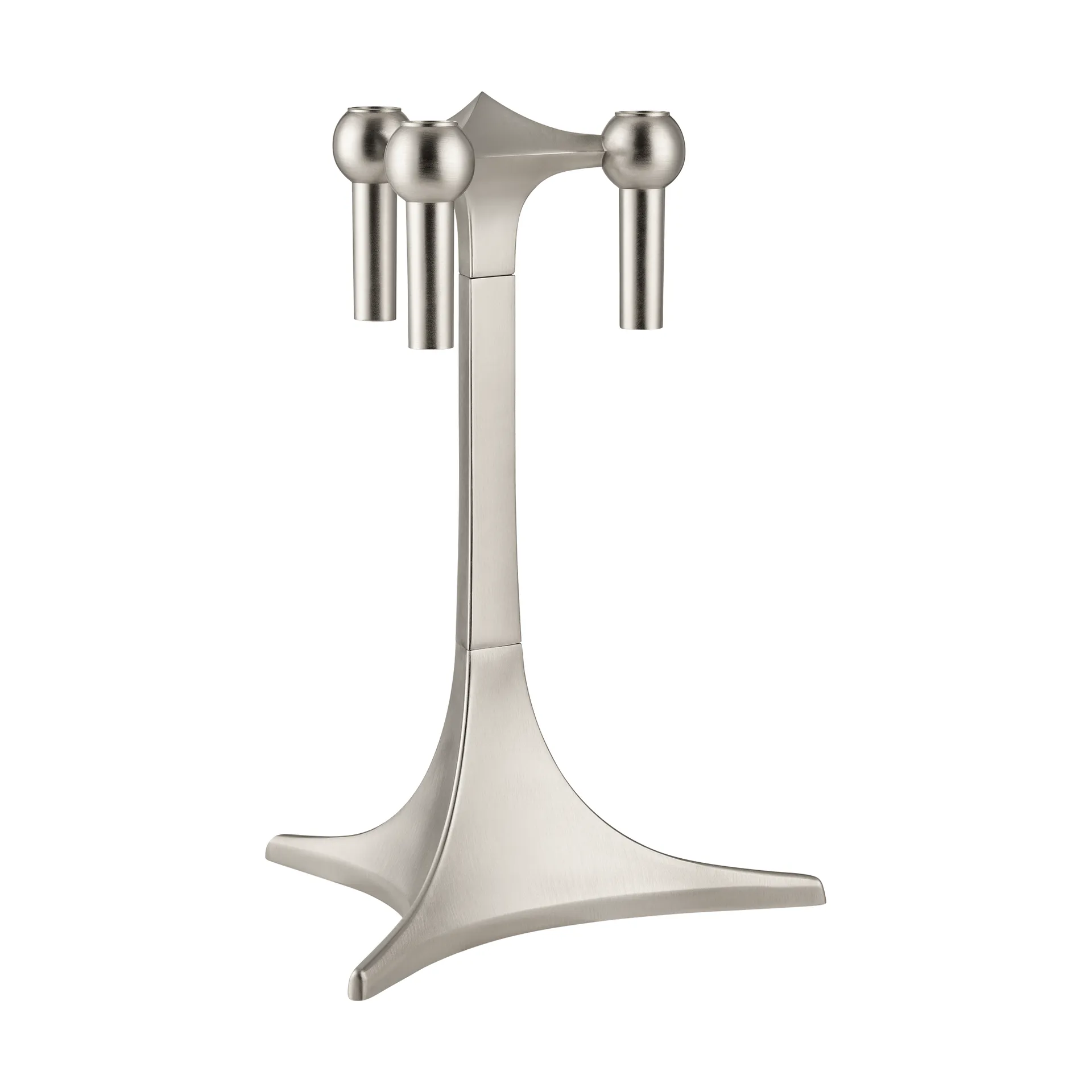
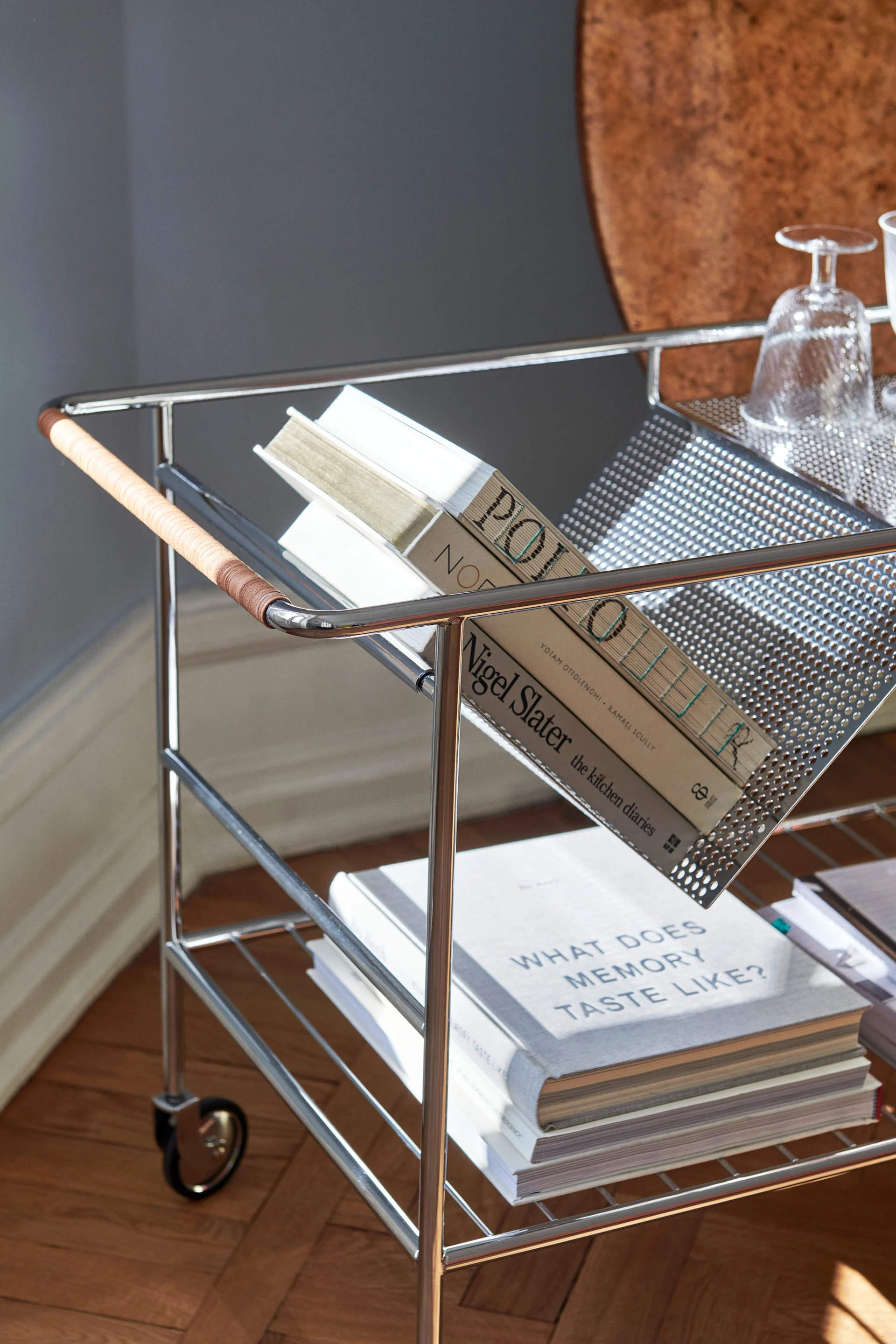
Stainless steel, stone and tile
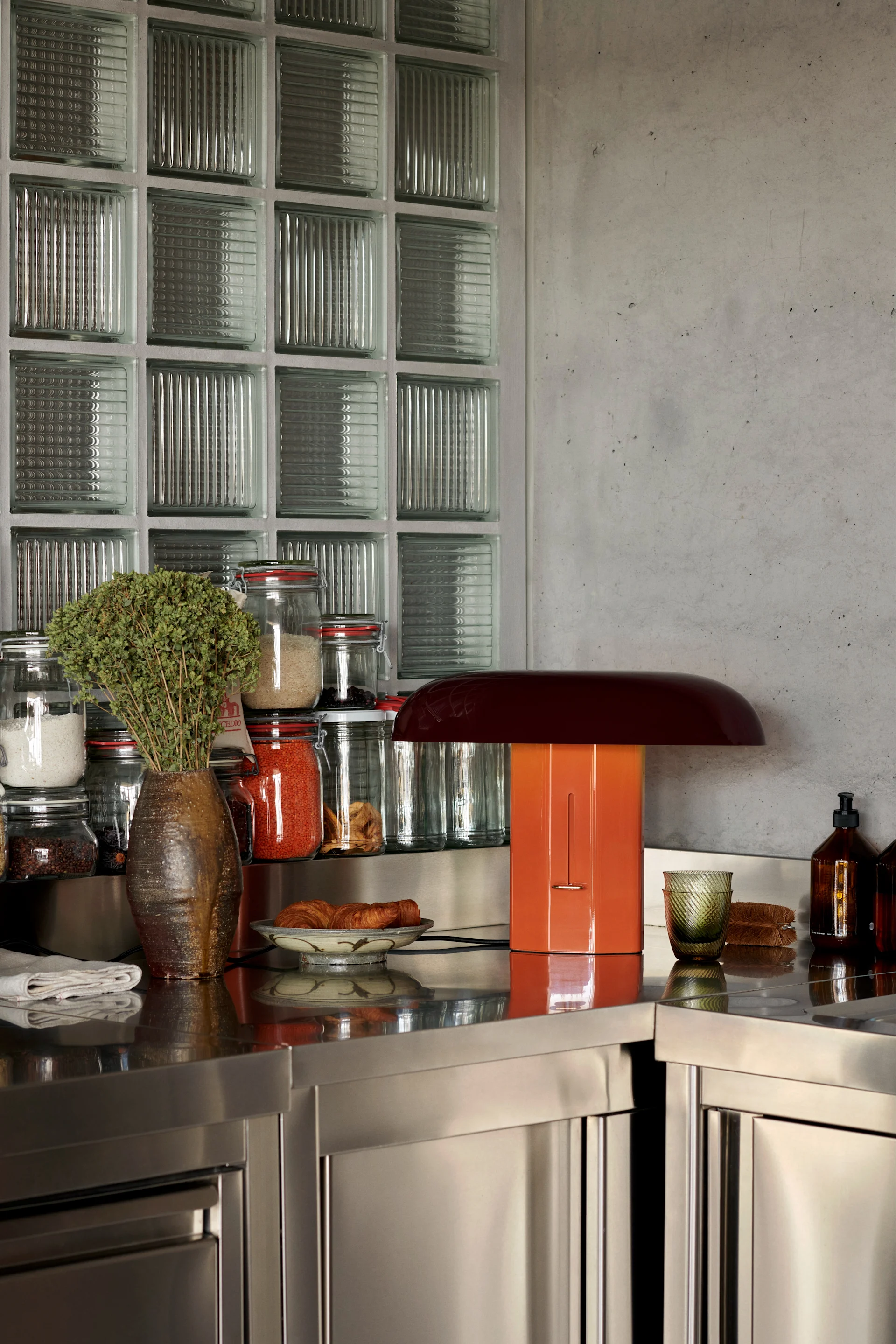
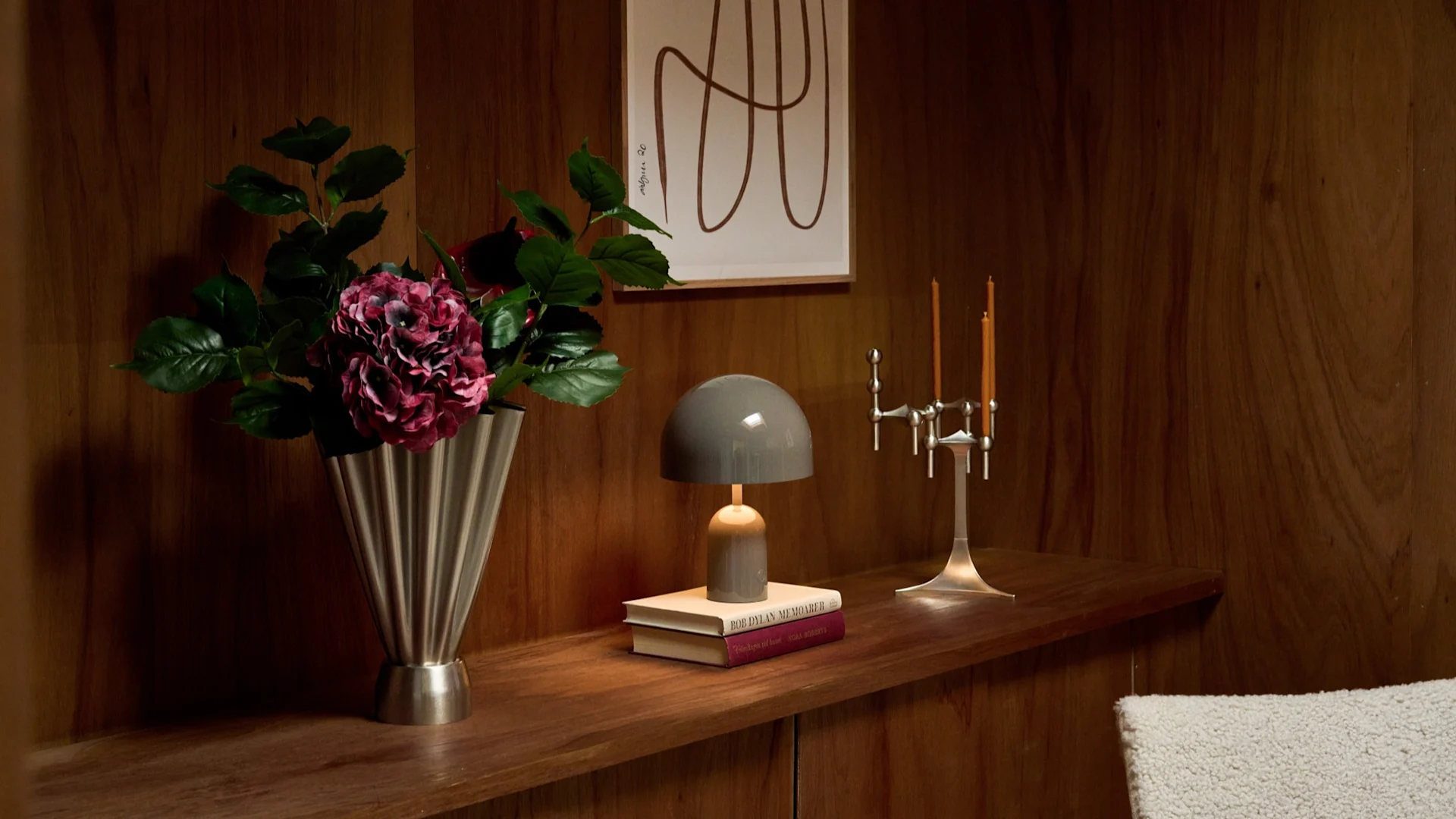
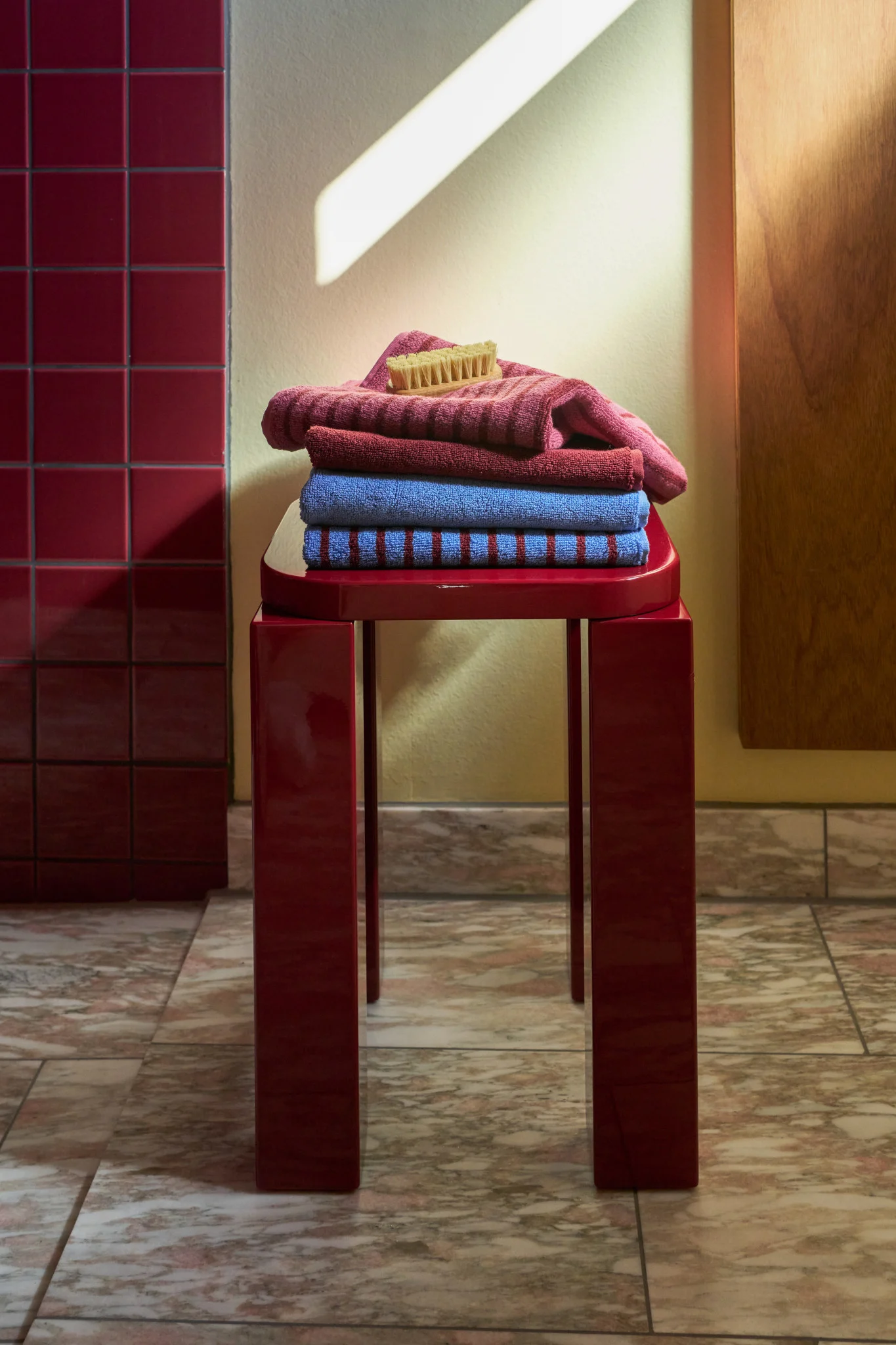
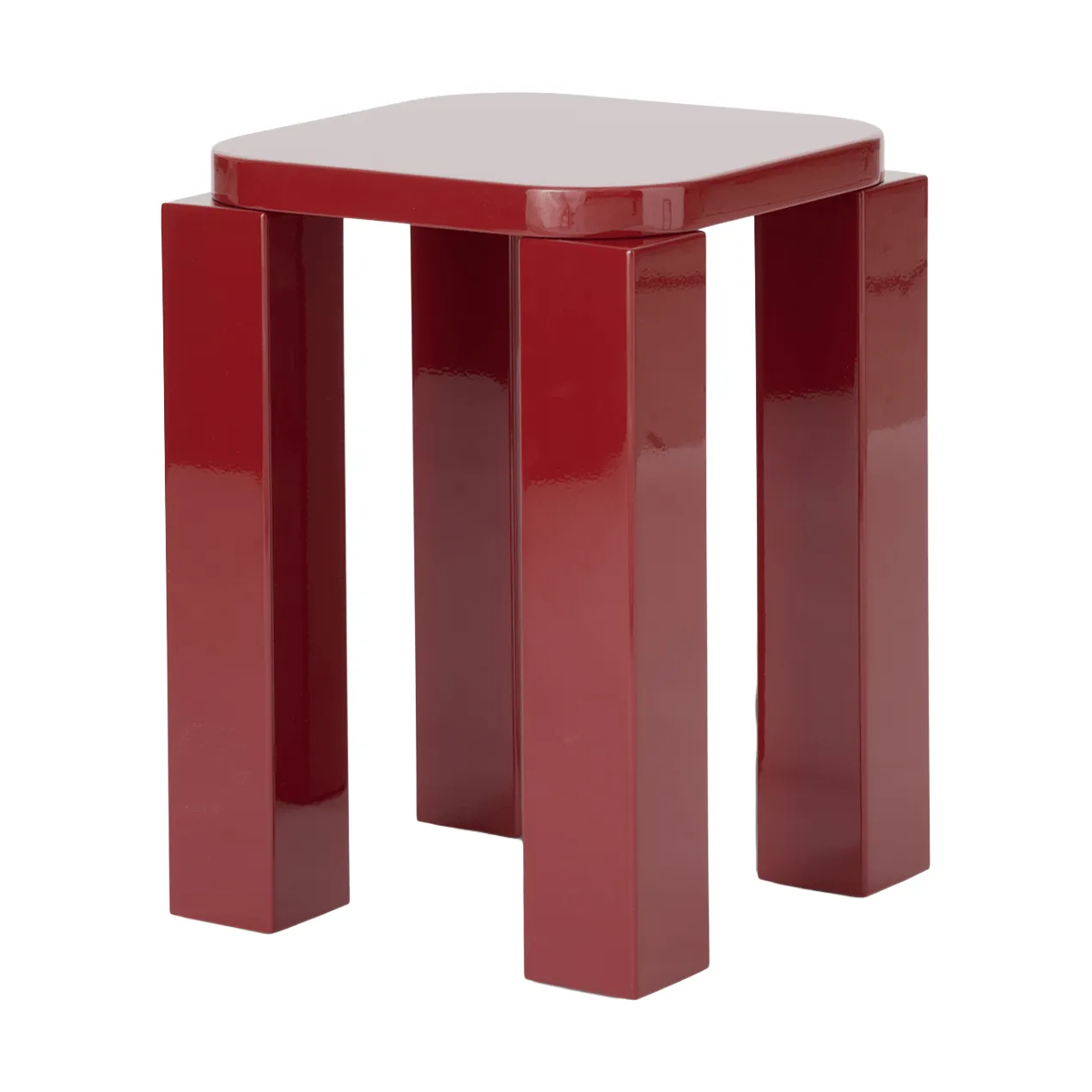
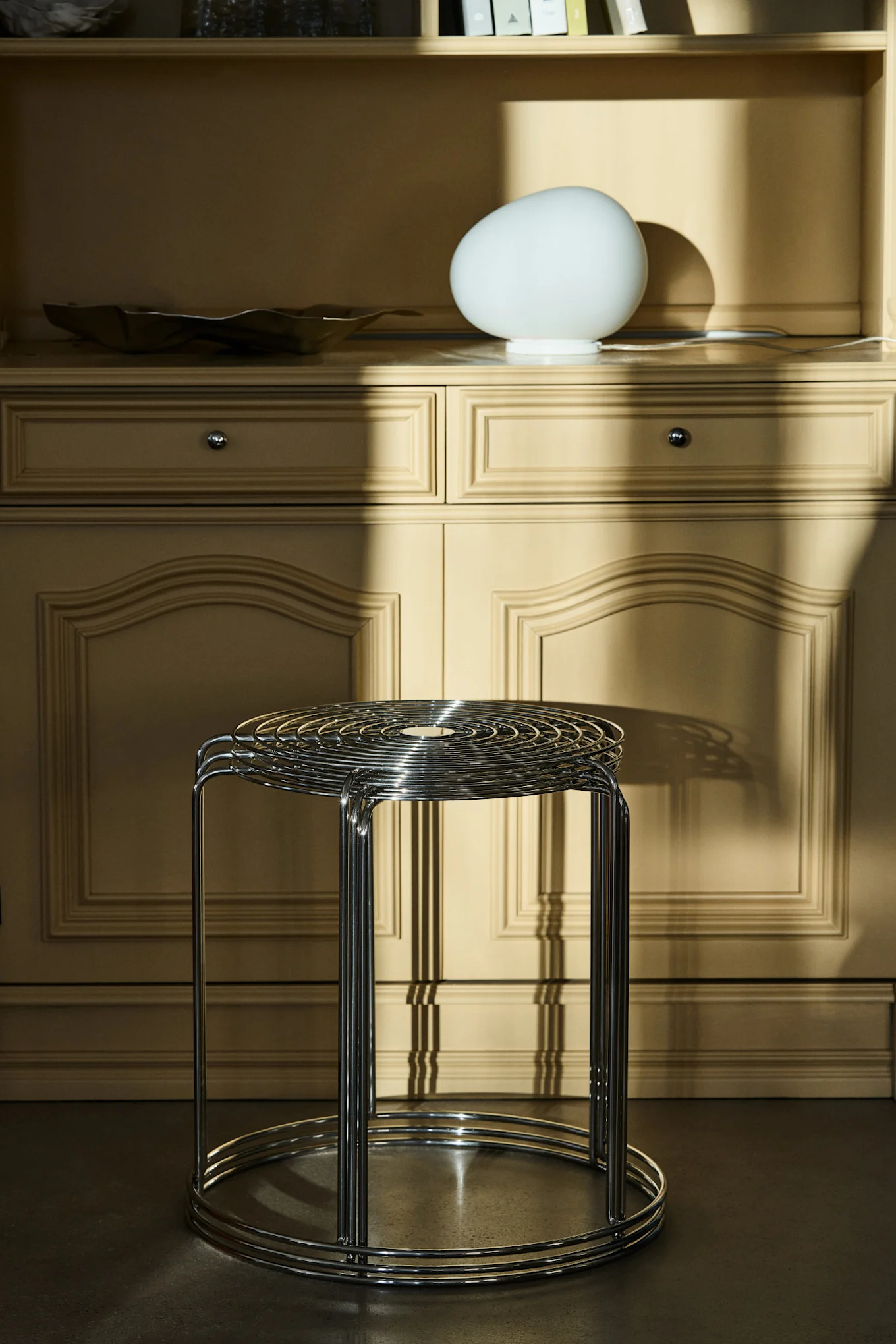
Material plays a key role in Neo Deco. Stainless steel, stone and glossy tiles bring a sense of polish and structure, while rich finishes and tactile surfaces add warmth and depth.
The contrast is what makes the look work: sleek metal combined with natural stone, glossy surfaces meet softer textures and bold finishes balance more understated materials. The result feels both nostalgic, yet distinctly contemporary.
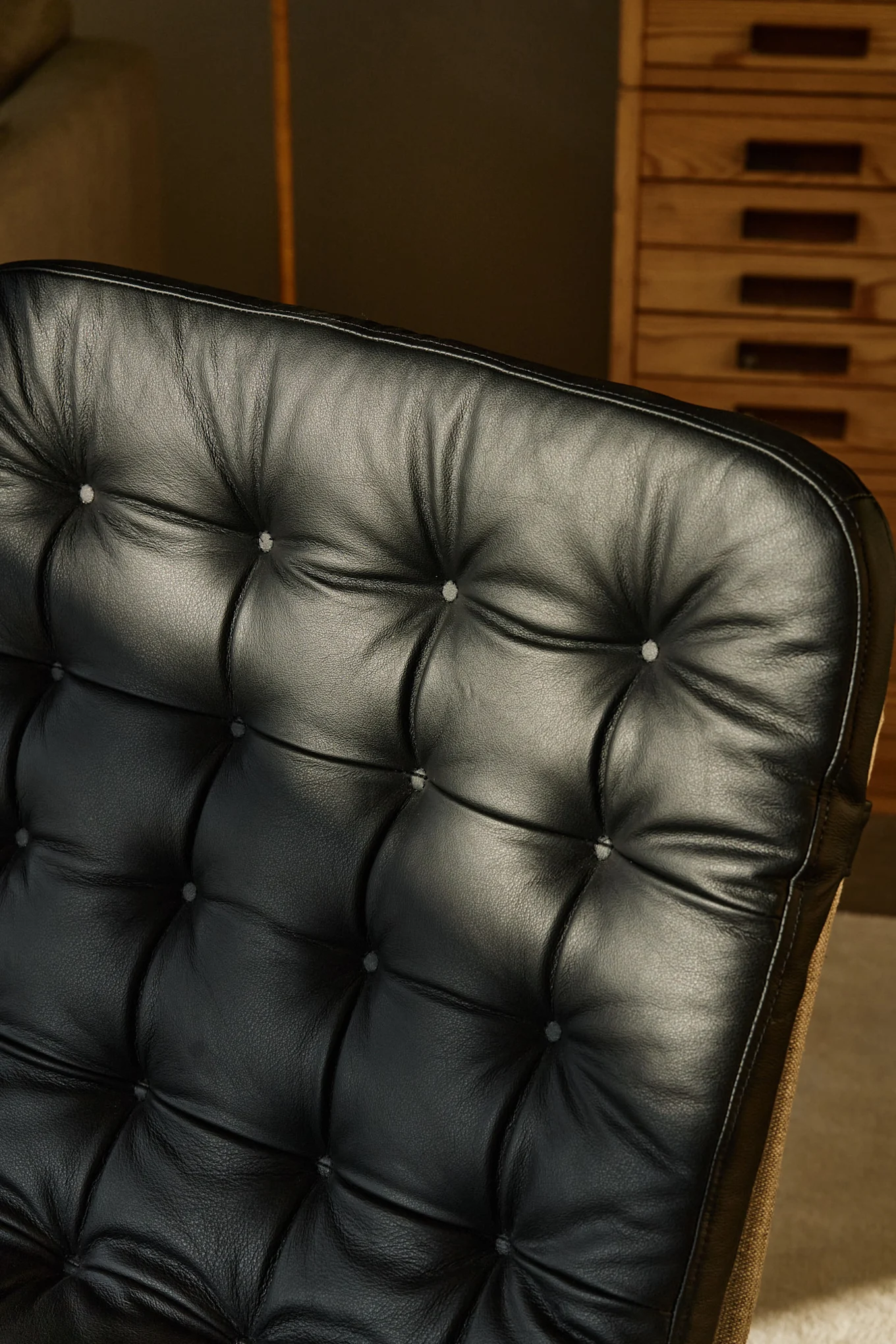
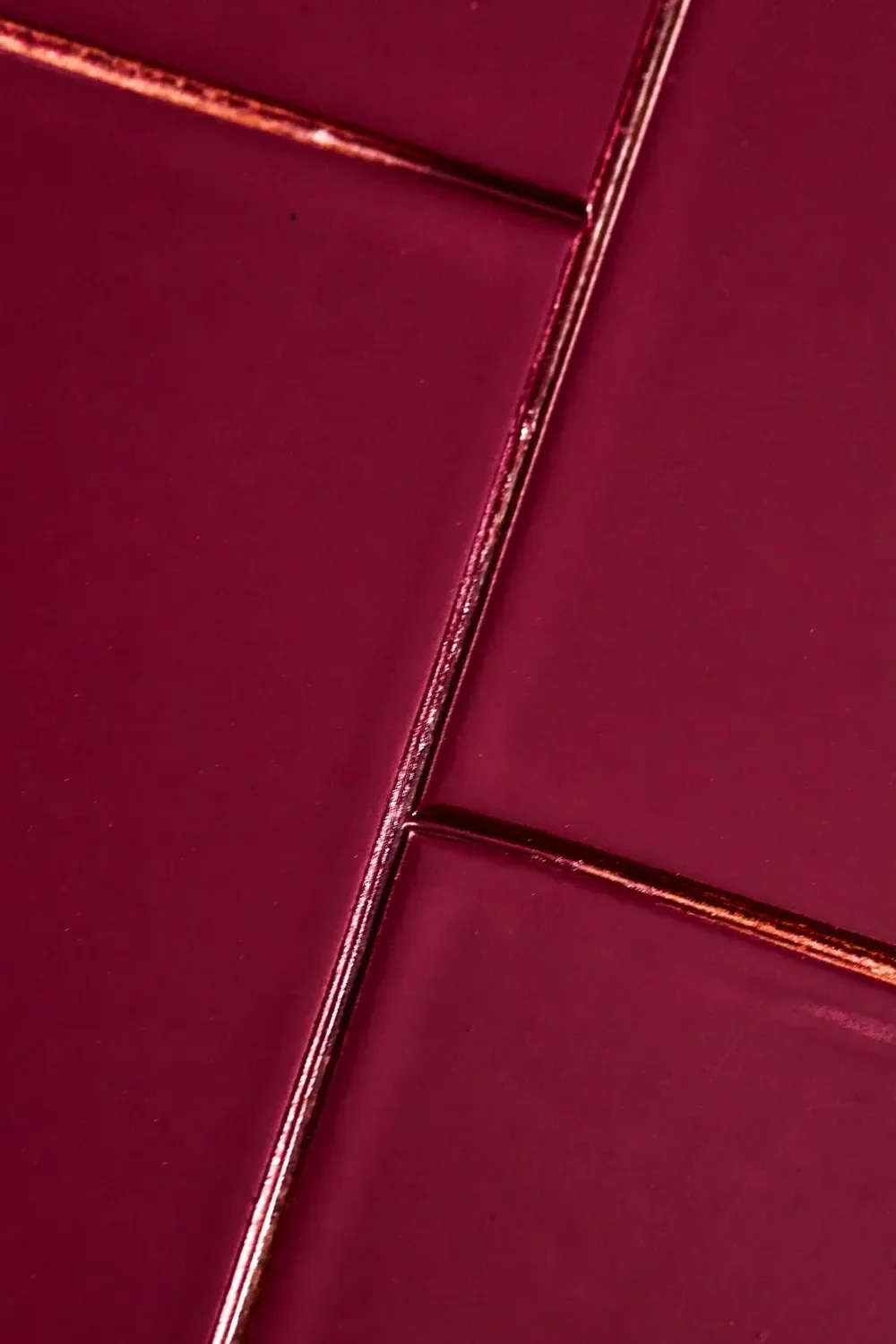

A deep rich colour scheme
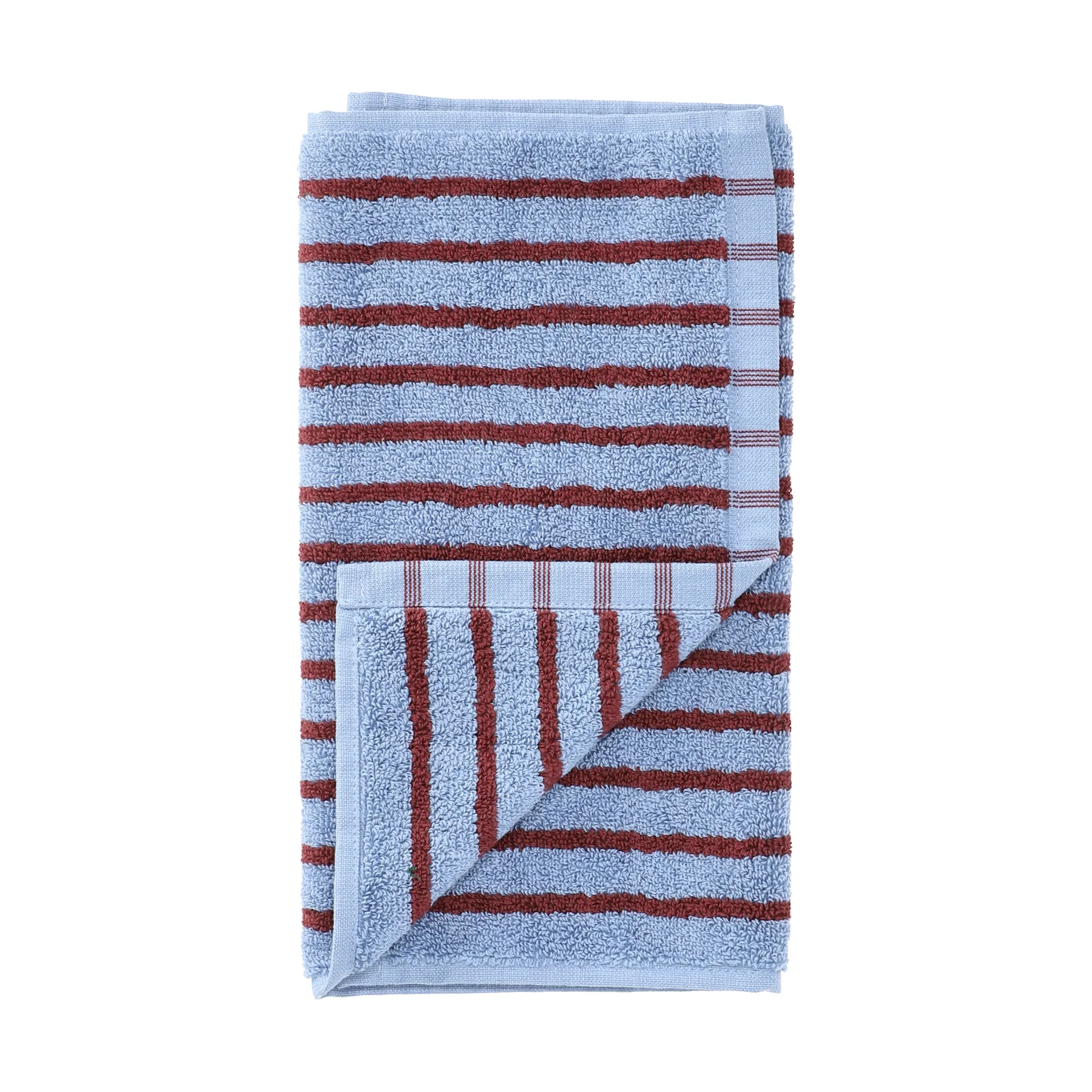
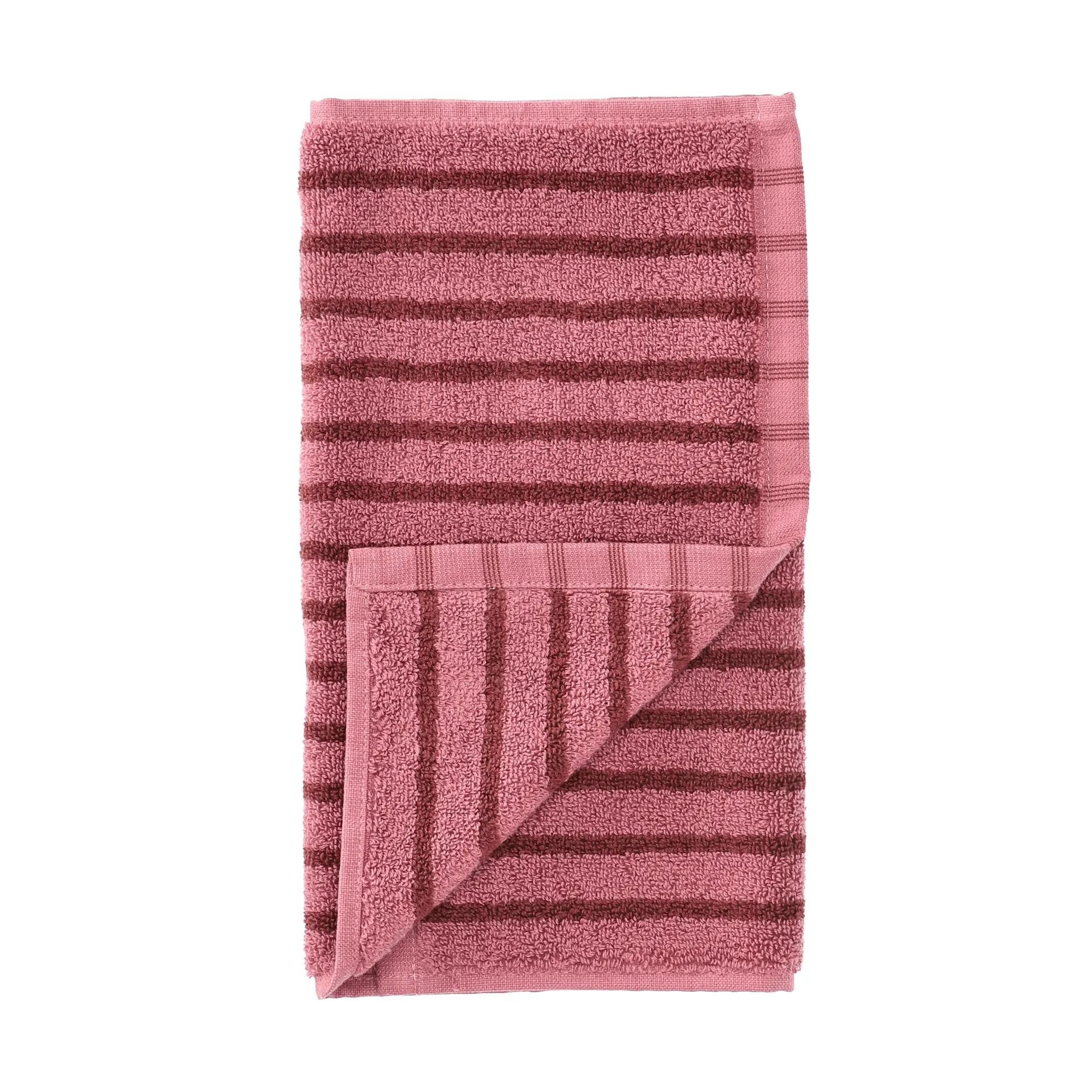
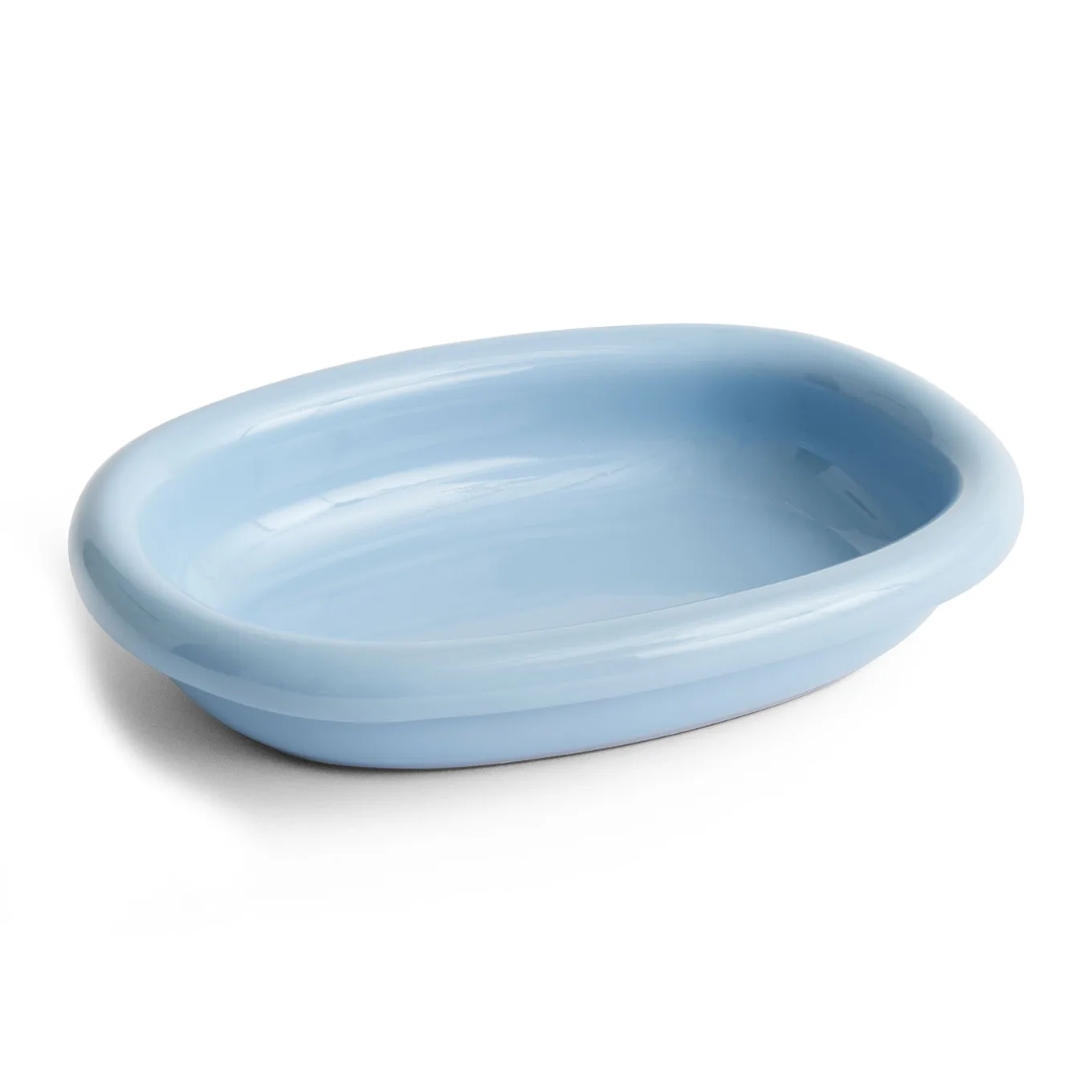
Colour is allowed to take up much more space in a neo deco scheme. Alongside neutral basics, look to deep, muted shades such as dark green, burgundy, minxed with sublte shades of sky blue, buttery soft yellow and warm browns.
The look feels most cohesive when you let one or two strong shades lead, rather than mixing in too many competing colours at once.
If you'd rather ease into the palette, start with textiles, glass, ceramics or vases. It's an easy way to test the effect without redesigning the whole room.
Discover the latest colour trends here: Interior colour trends
Glossy decorative details
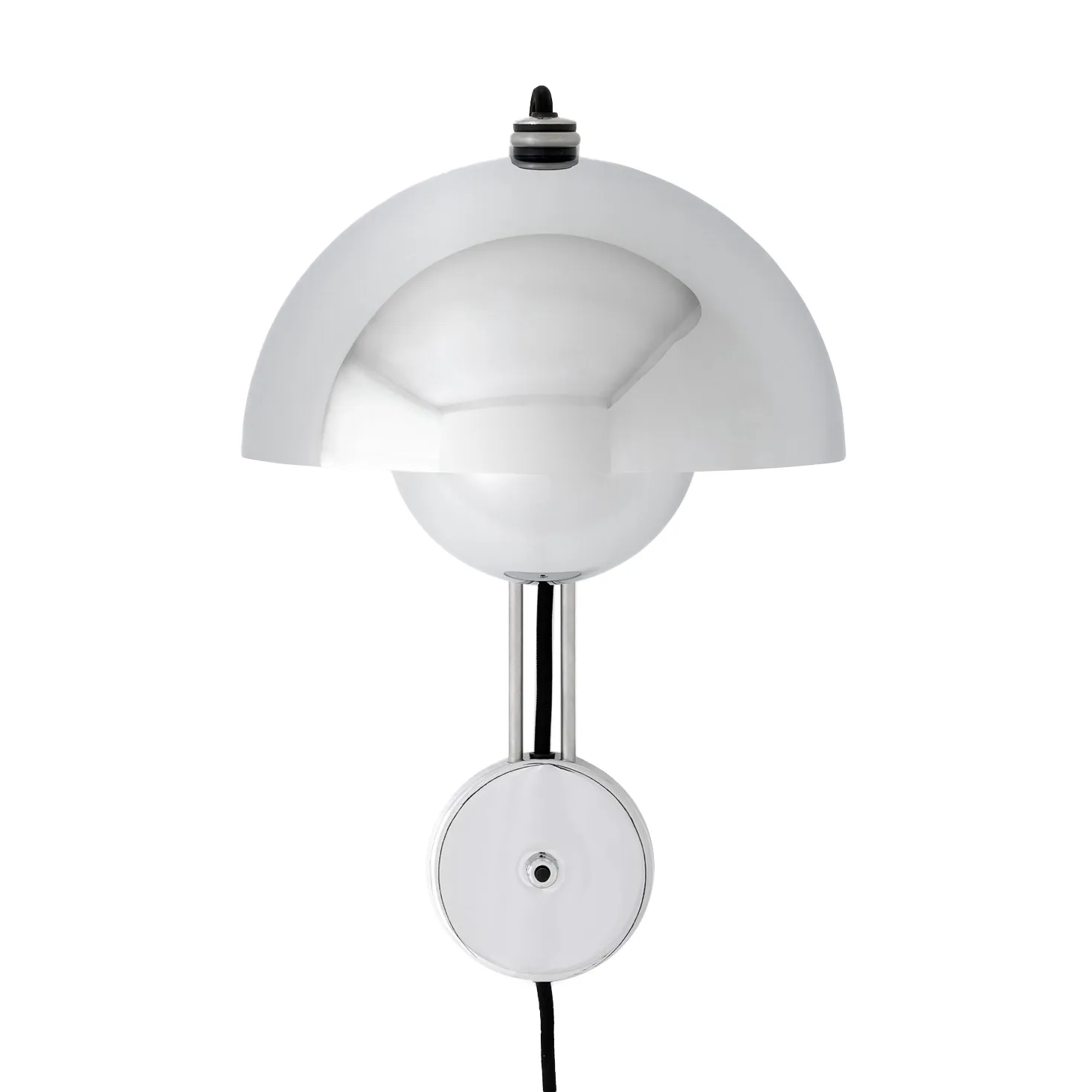
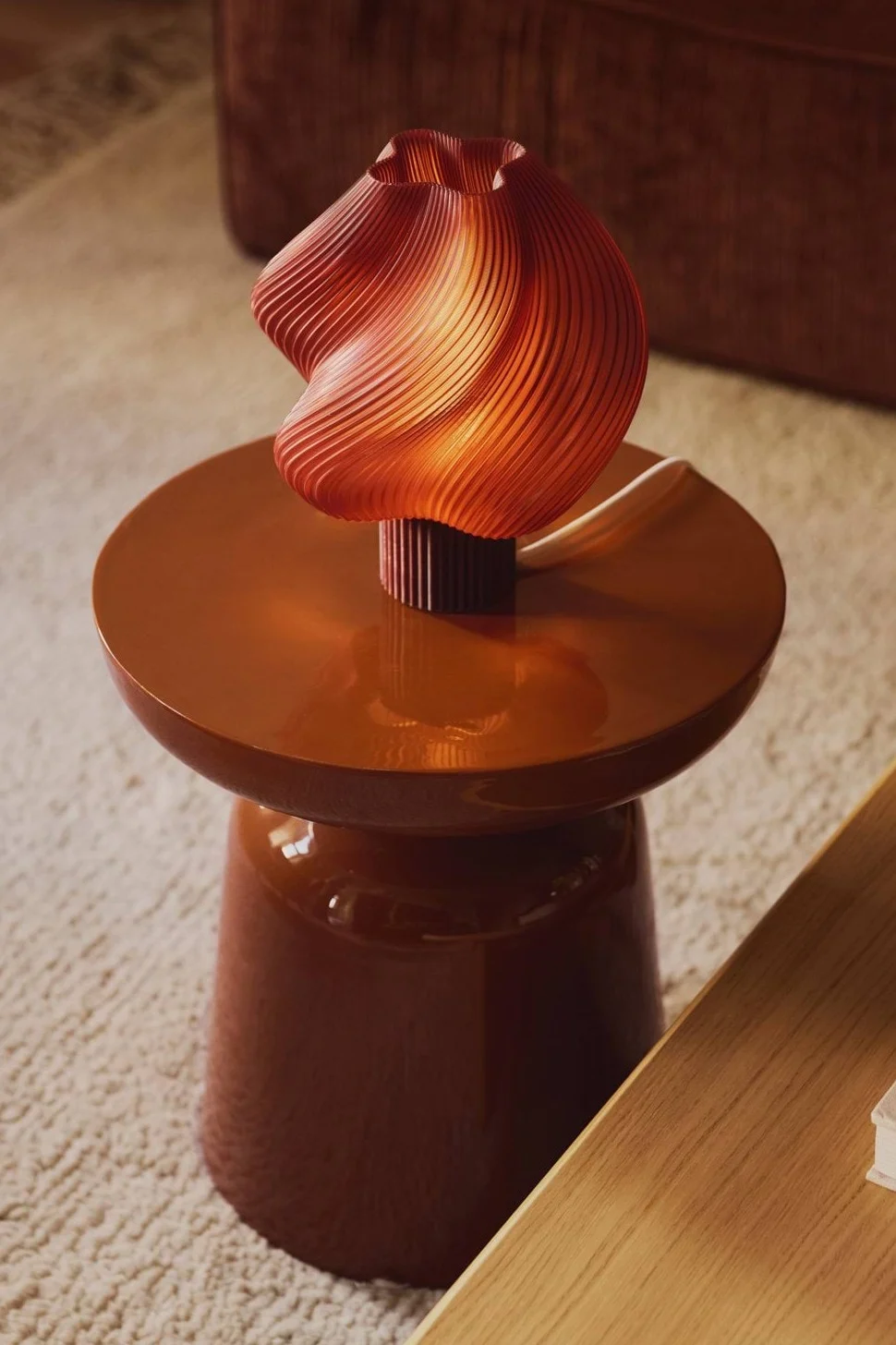
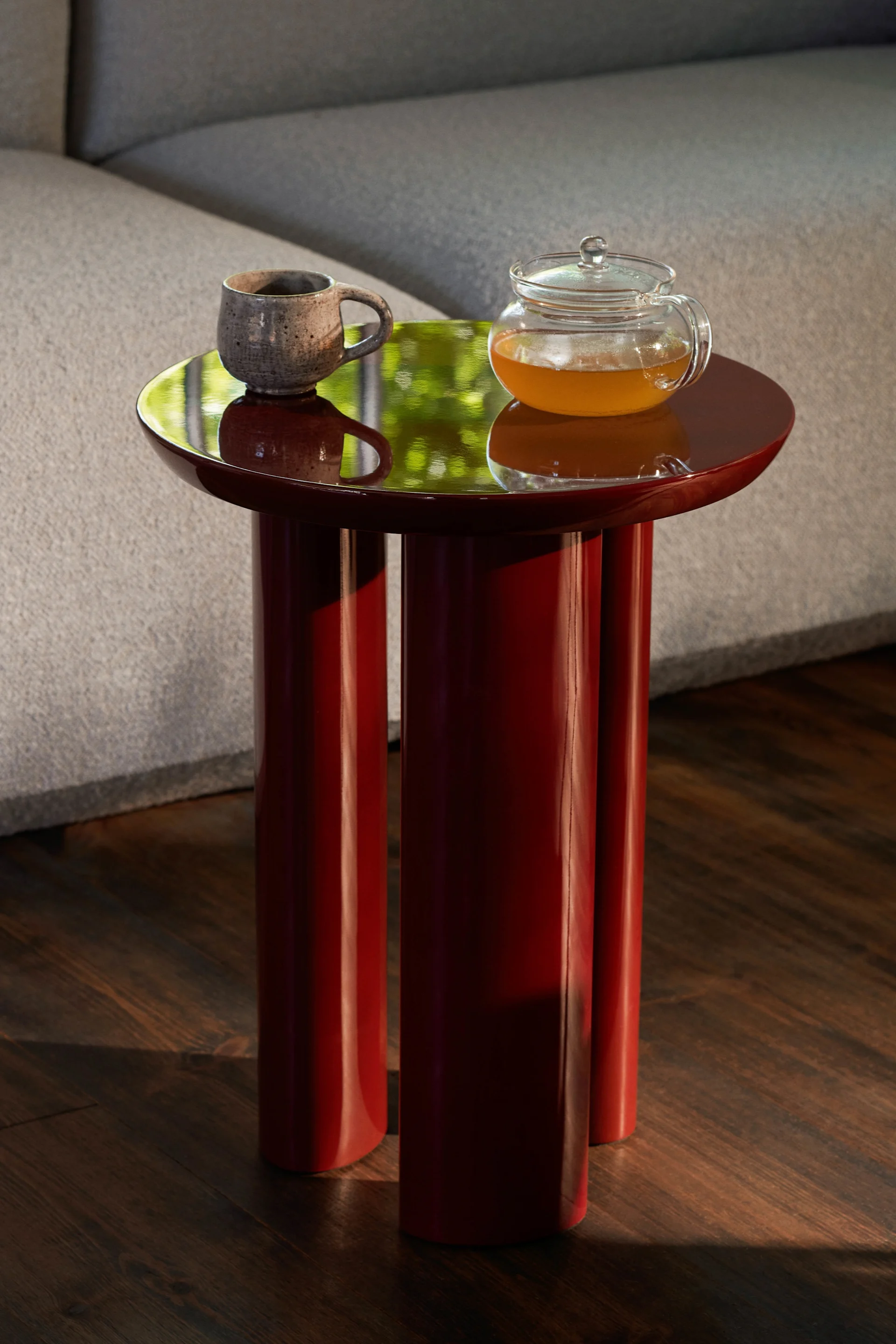
A subtle shine is also part of the neo deco look. Metallic surfaces, mirrors, glossy glass and polished ceramics echo the glamour of Art Deco and catch and reflect the light.
The key is restraint. One statement mirror, a lamp with a metallic finish, or a handful of carefully chosen accessories will have more impact than a room full of shiny objects.
How to bring neo deco into your own home
Neo deco is easy to introduce into an existing interior and it doesn't need to be a big investment either. Rather than replacing your furniture and painting walls, start by adding individual pieces and see how they interact with what you already have.

1. Start with a statement piece
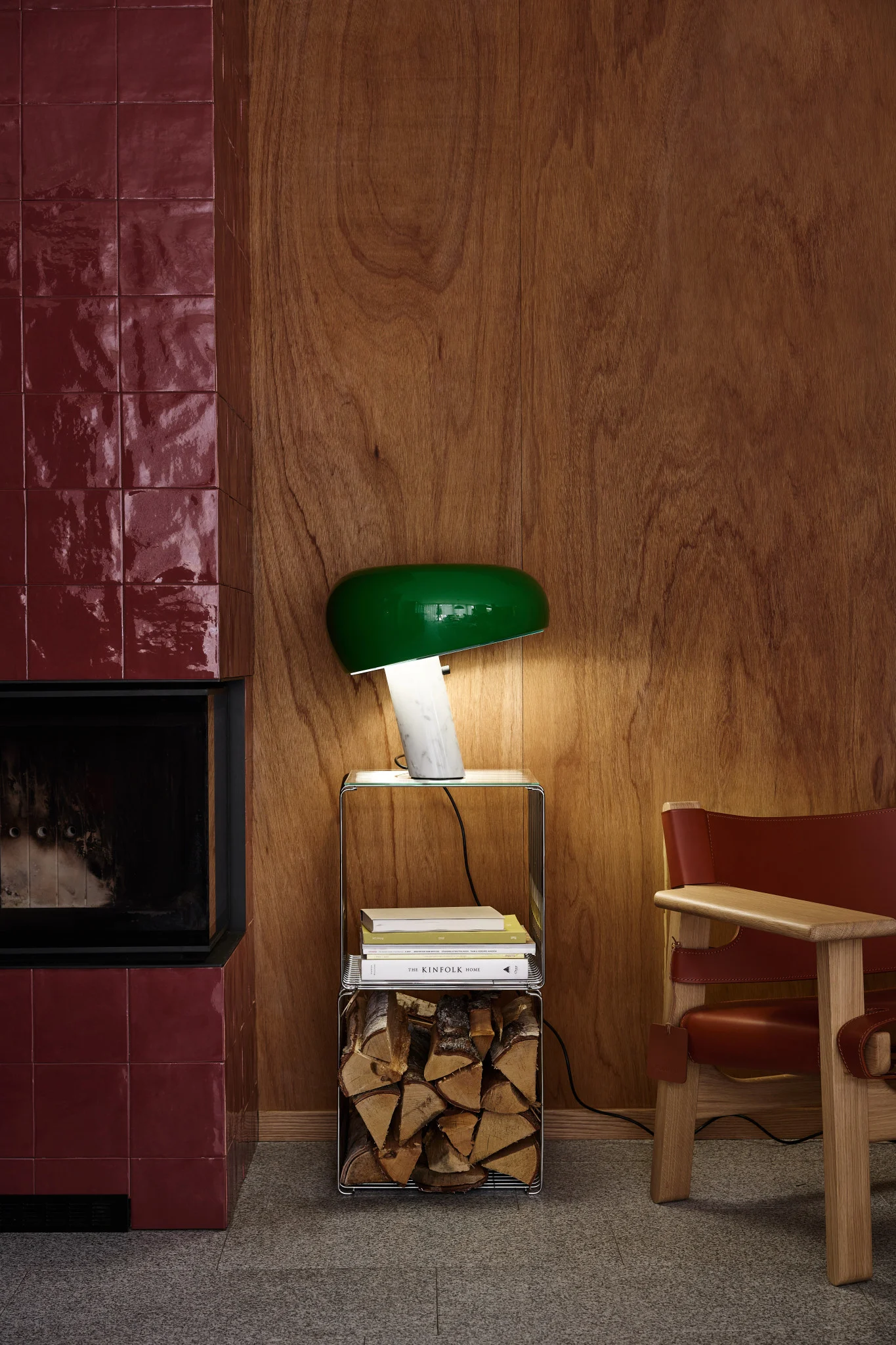
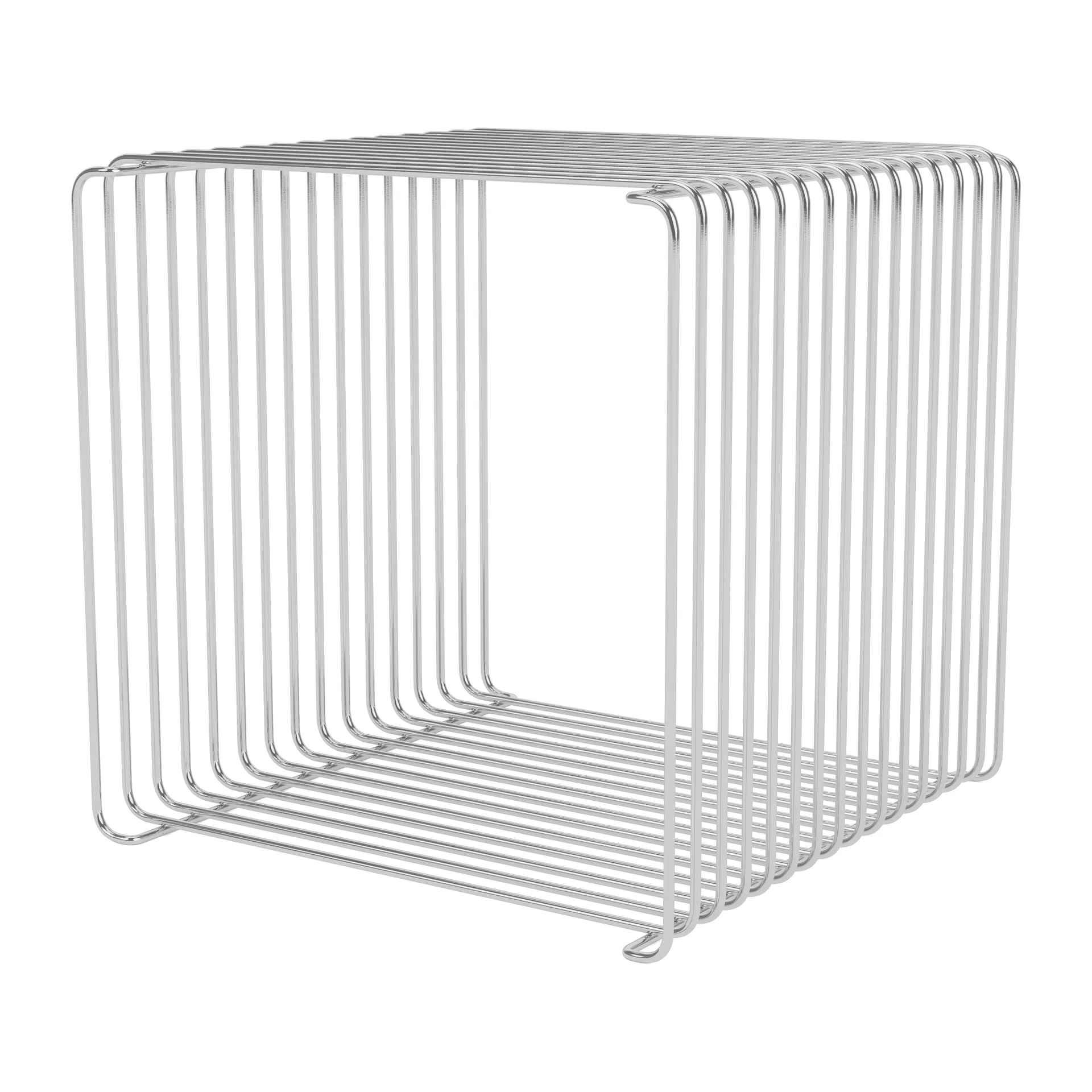
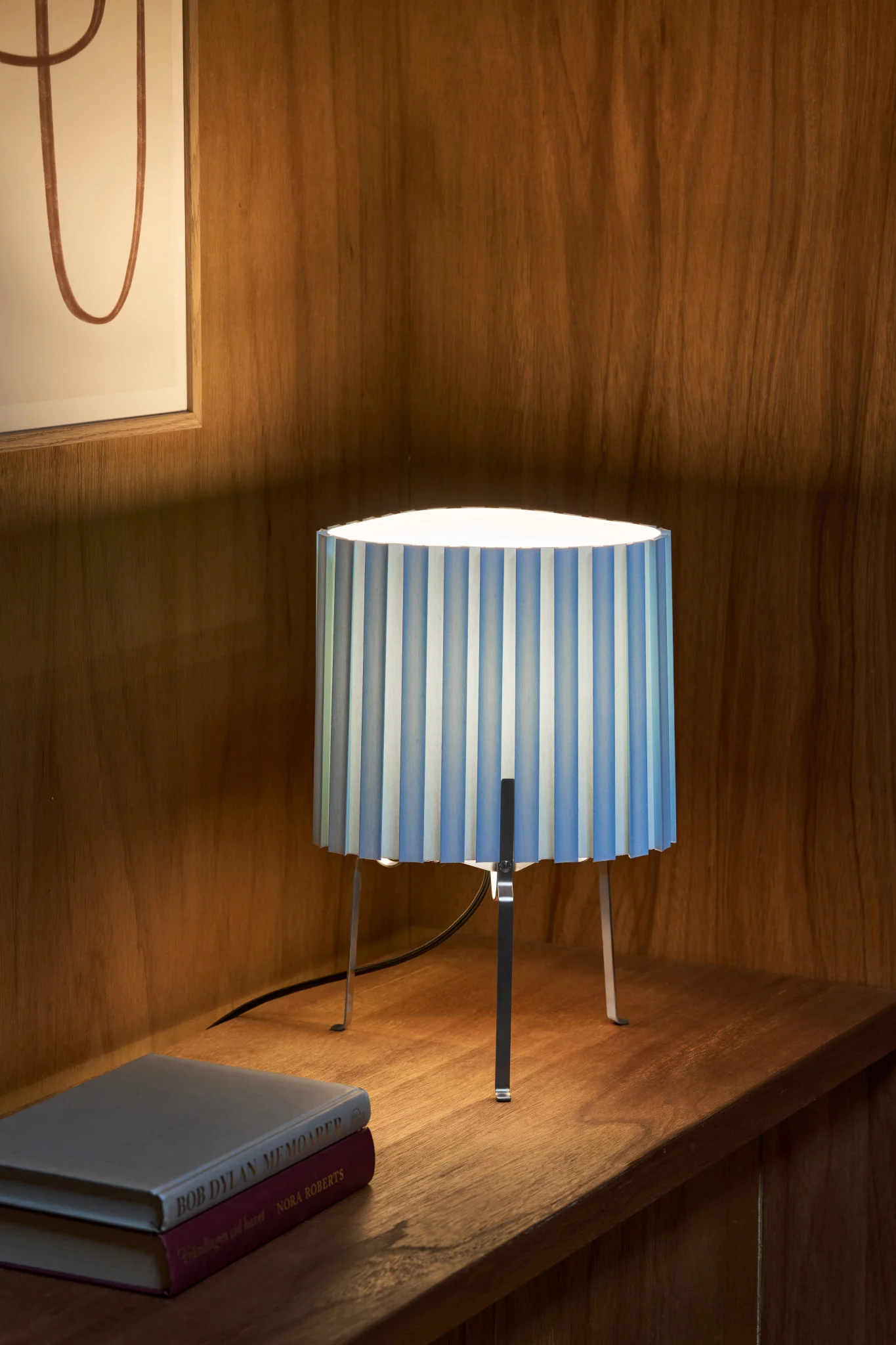
A single piece of furniture or a decorative object can already set the tone. Look for a striking shape, an interesting material, or an expressive colour.
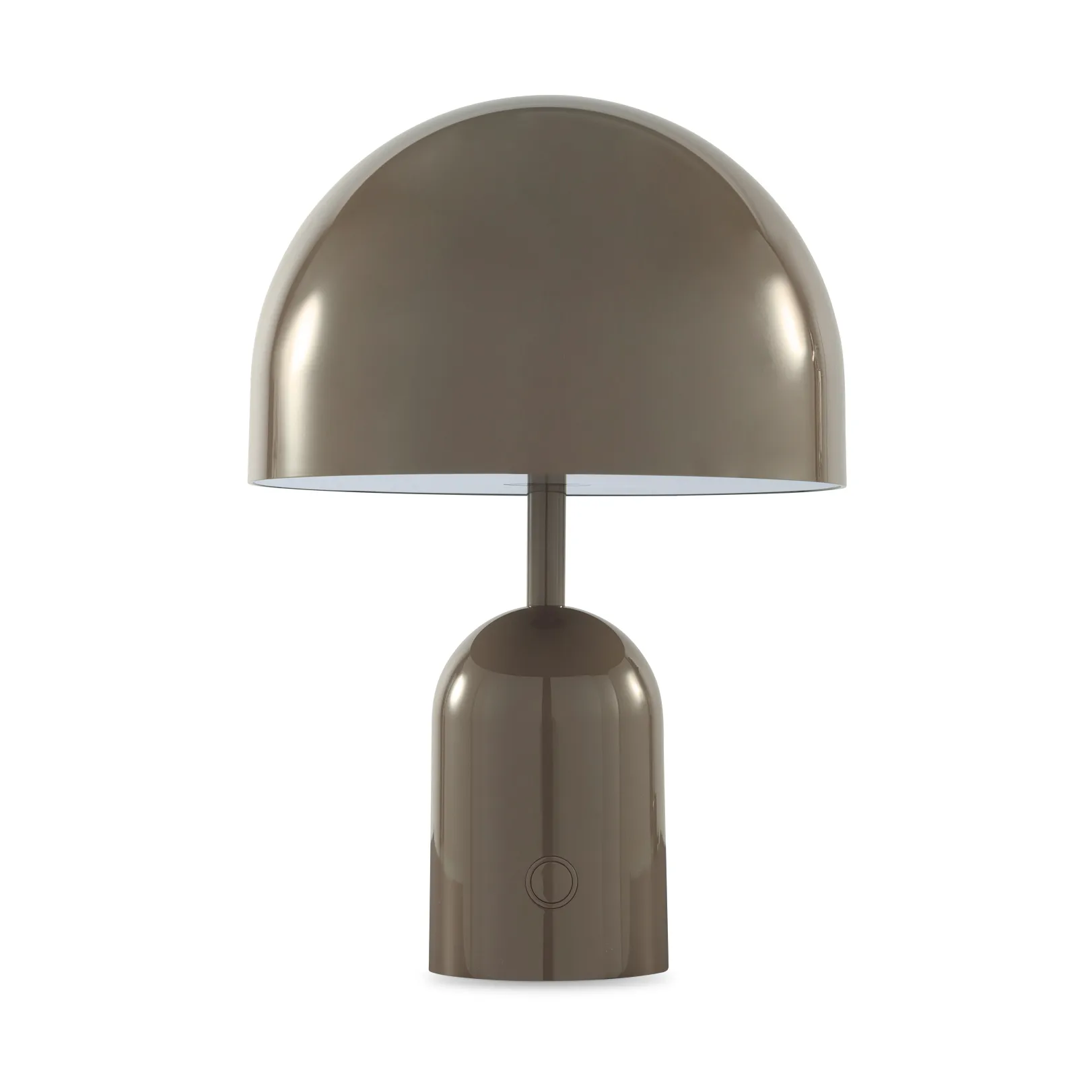
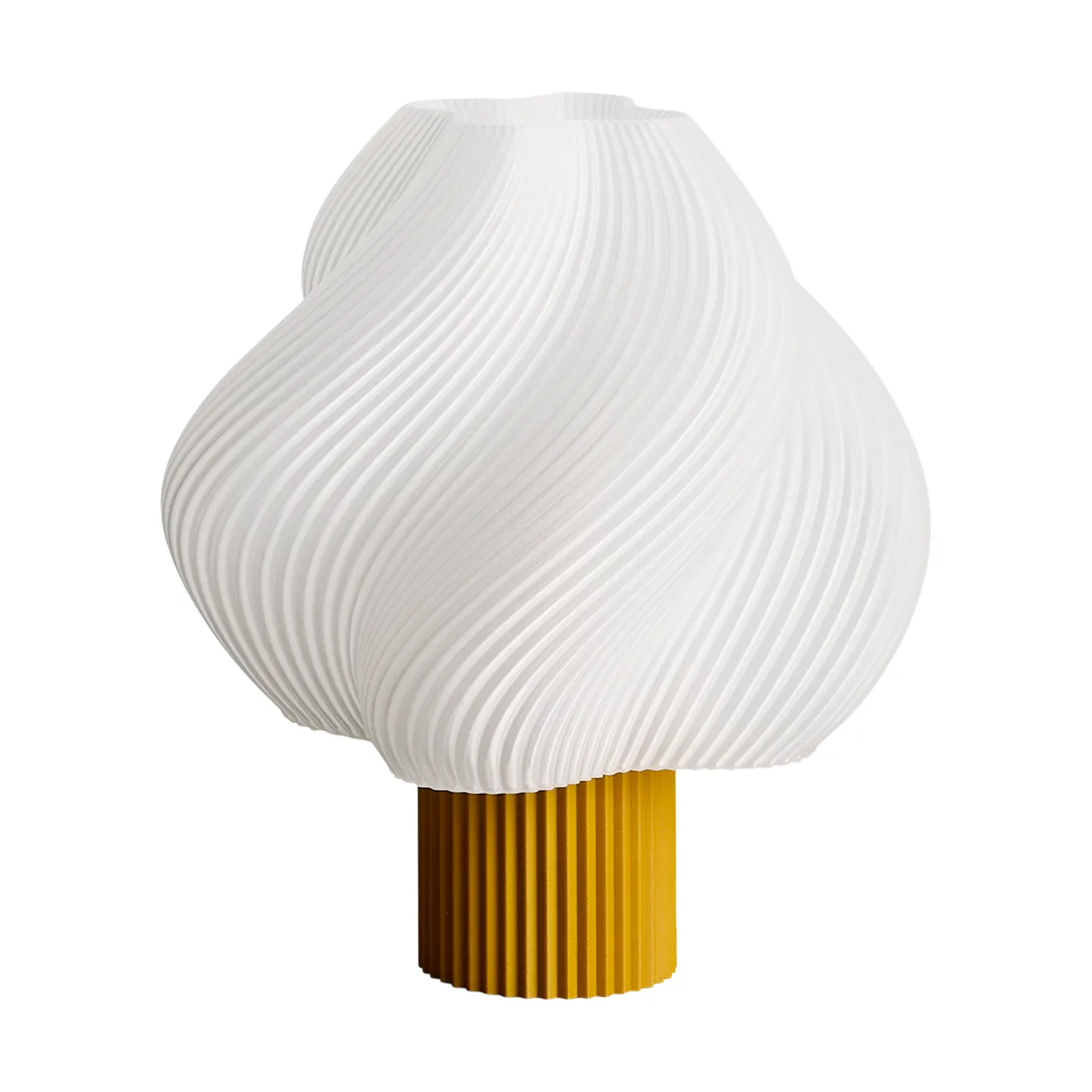
A sculptural lamp, a curved mirror, a dark wood side table or a geometric vase all work well as a starting point — you can layer in more from there.
2. Use contrast deliberately
Rather than matching everything perfectly, neo deco thrives on intentional contrast. Light and dark tones, matte and glossy finishes, straight lines and soft curves can all sit comfortably side by side.
Mixing design eras works just as well — a modern piece can stand next to a vintage find without either one feeling out of place. It's often these small clashes that give a room its personality.
3. Experiment with colour
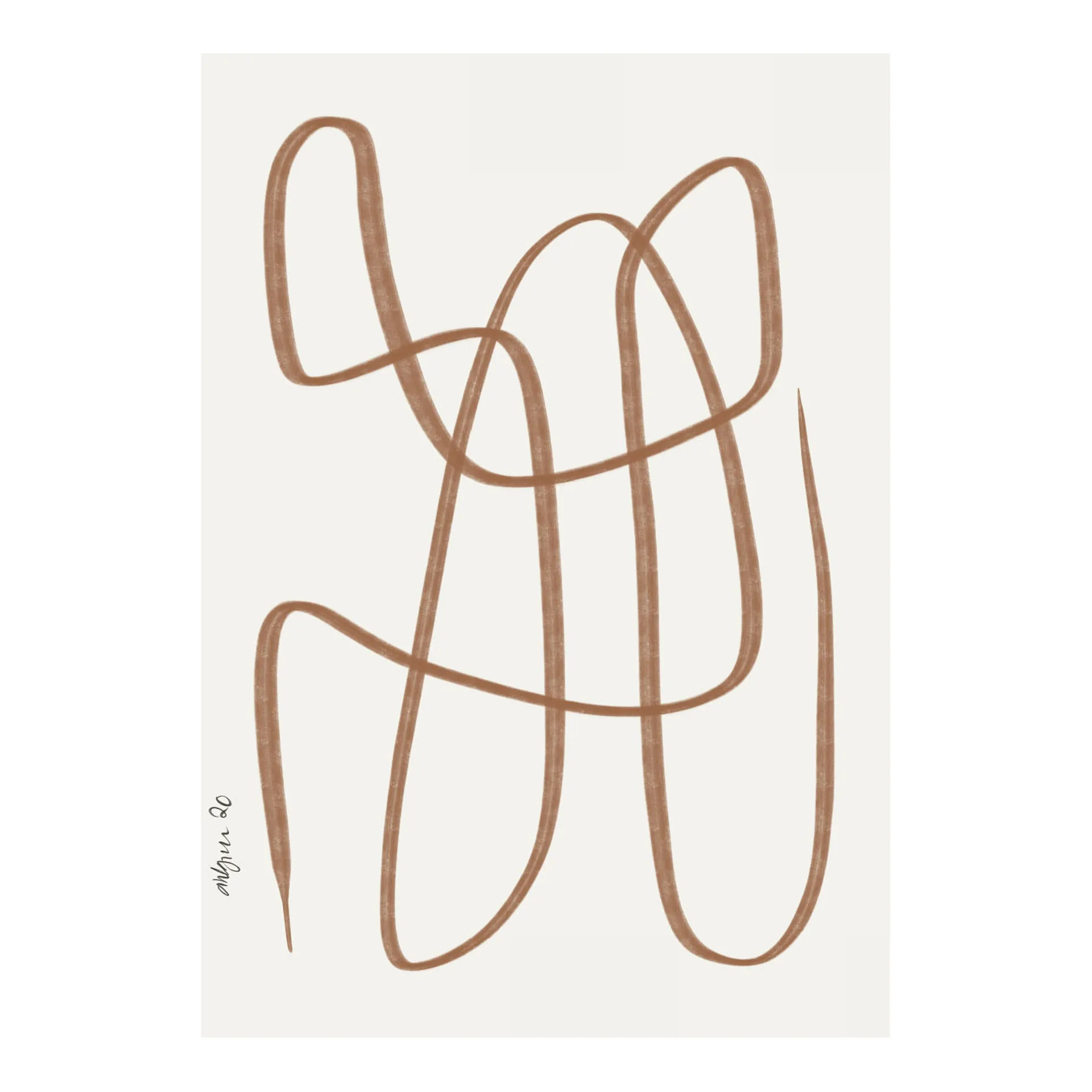
Bold colour is easiest to introduce through smaller accessories. A burgundy throw, a dark green vase or a rug in a warm brown tone can shift the whole mood of a room and best of all no paintbrush required.
For a cohesive look, repeat a shade in two or three places around the room. That creates a common thread without overwhelming the space with too many different colours.
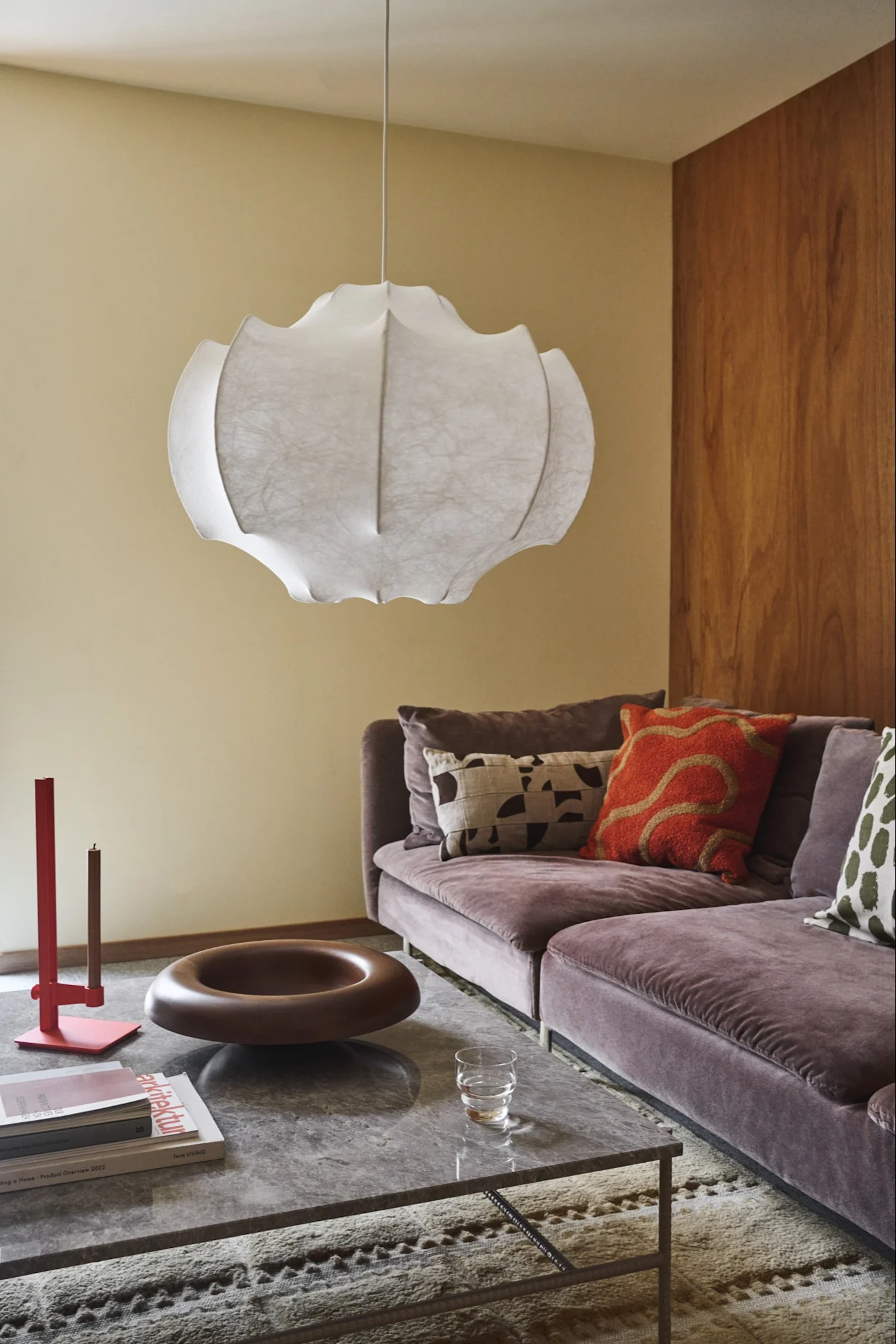
4. Using lighting as a design element
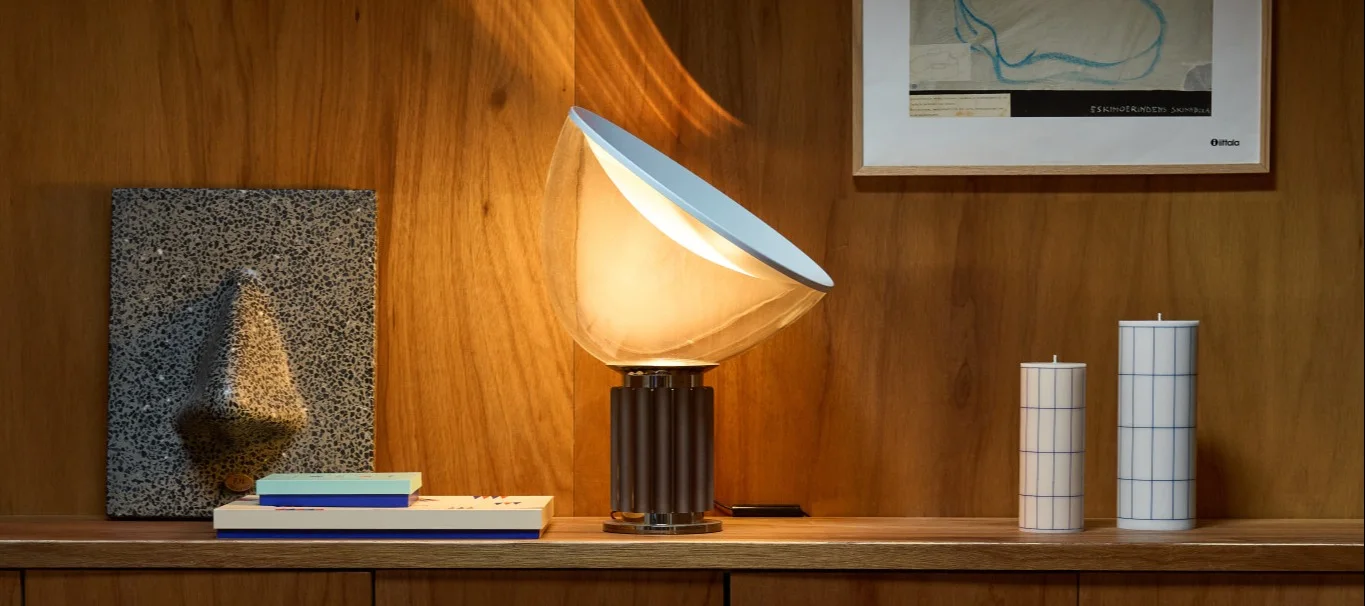
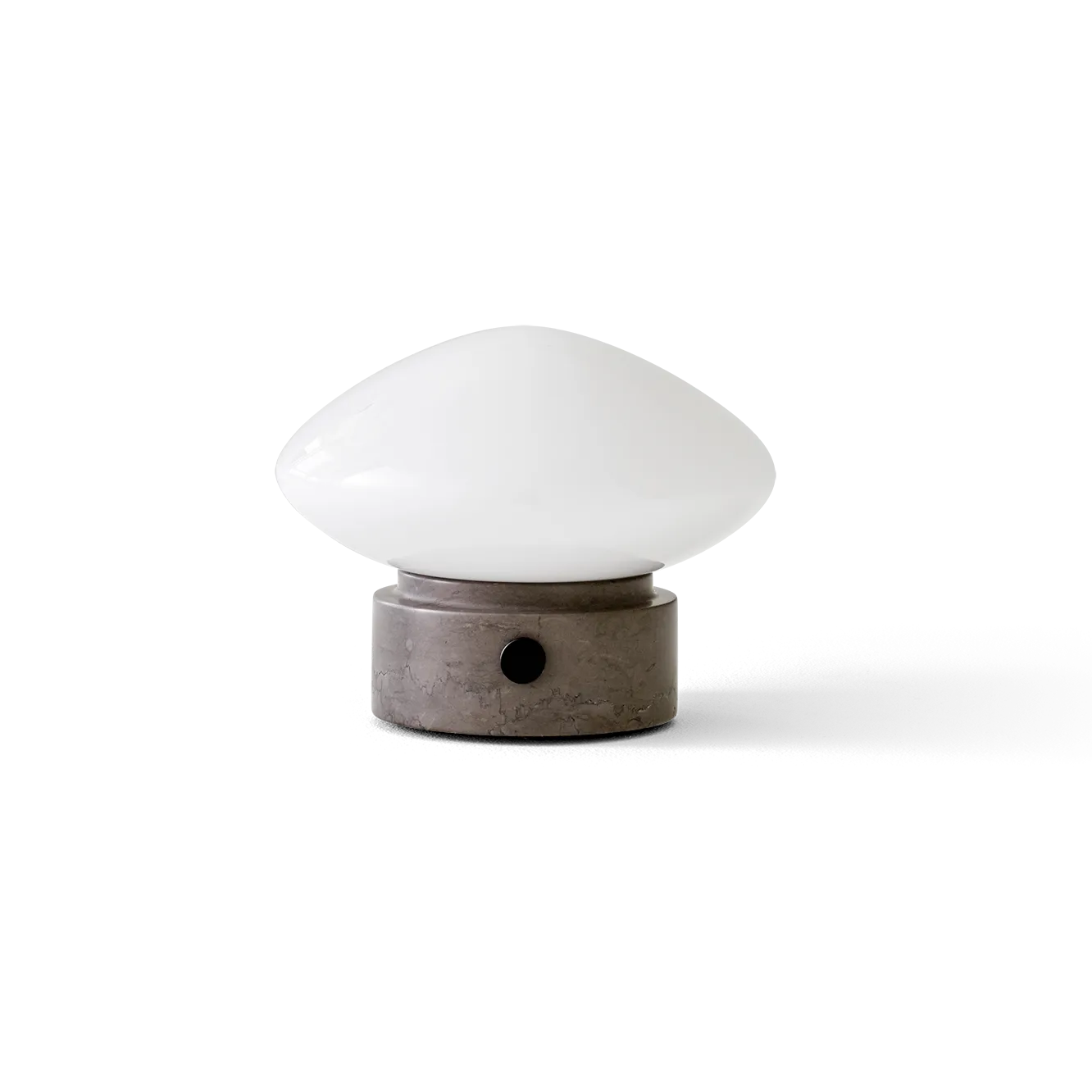
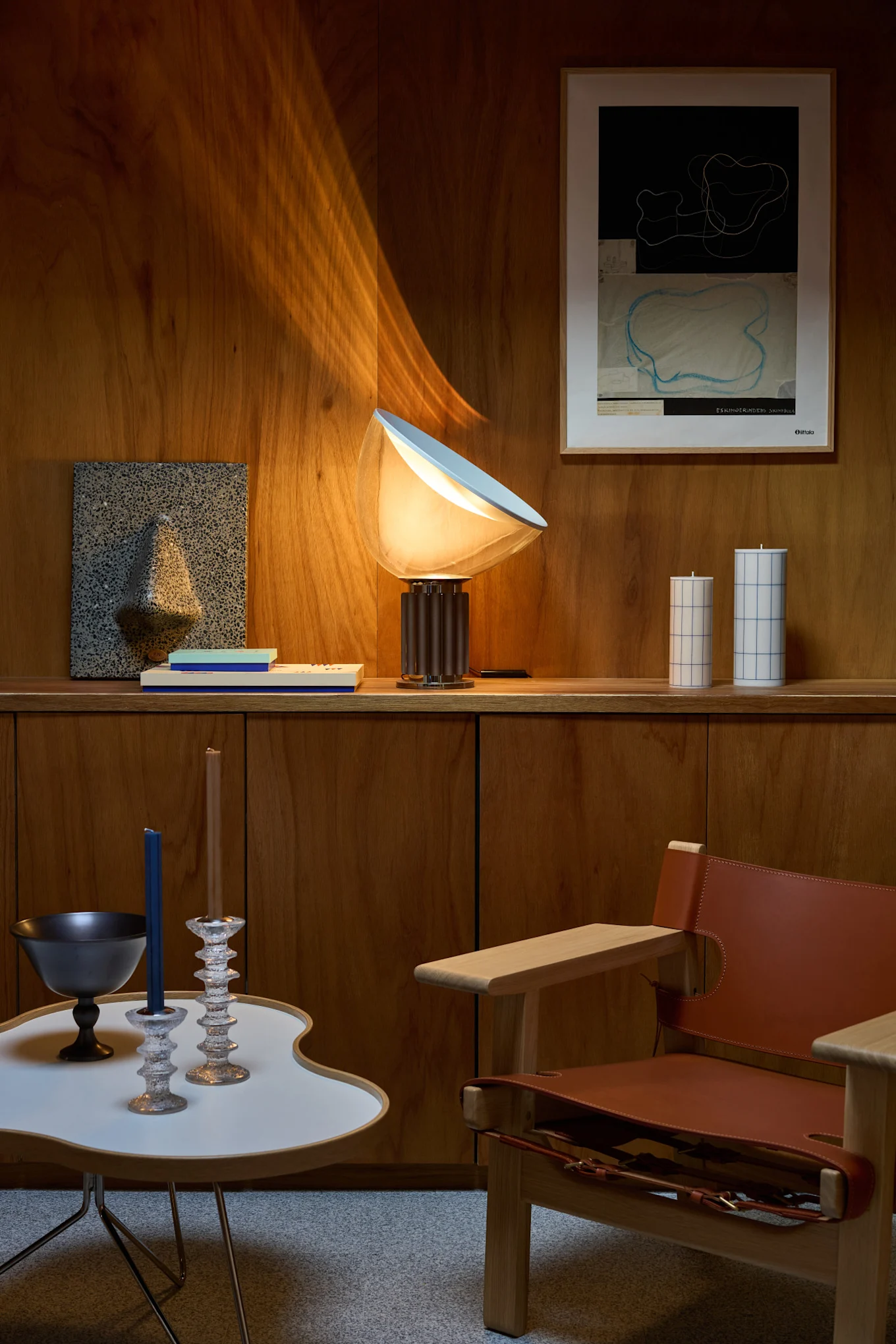
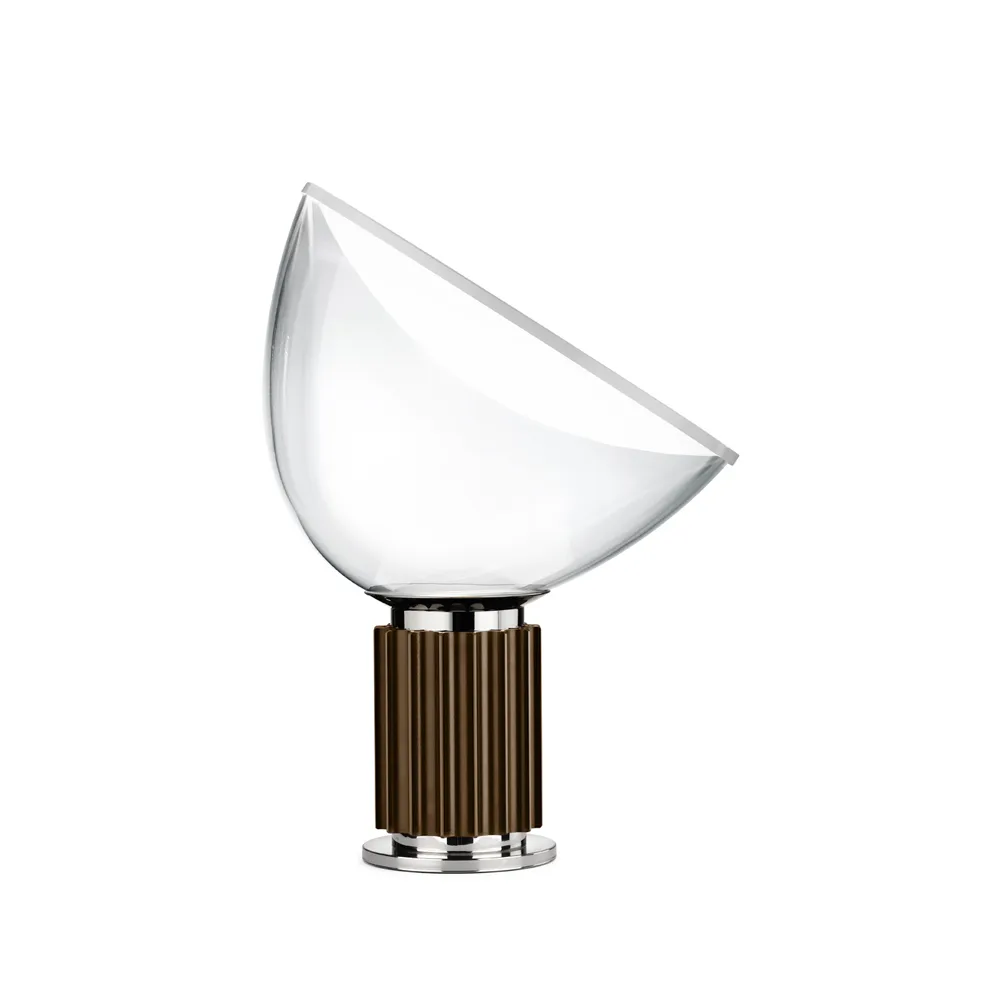
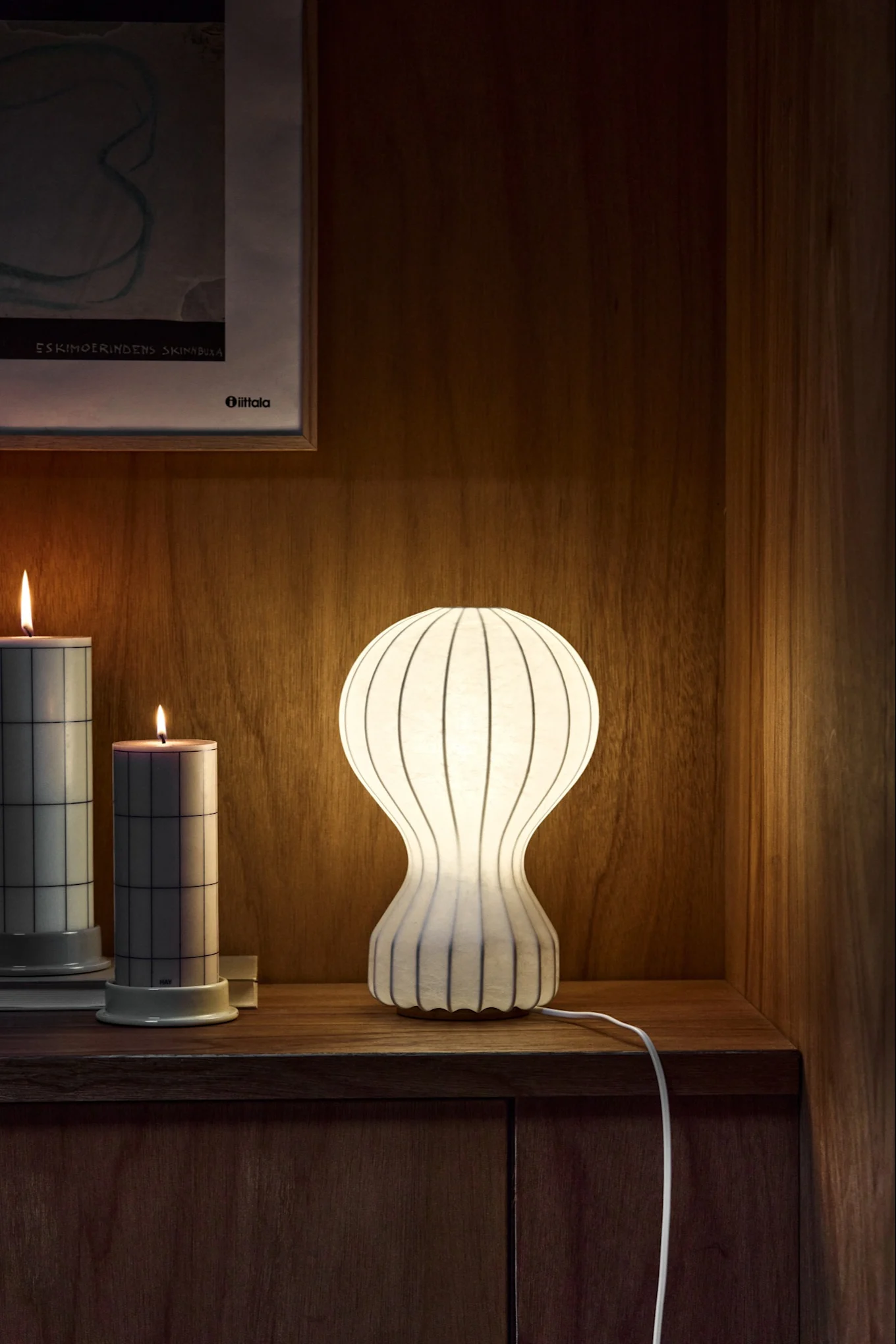
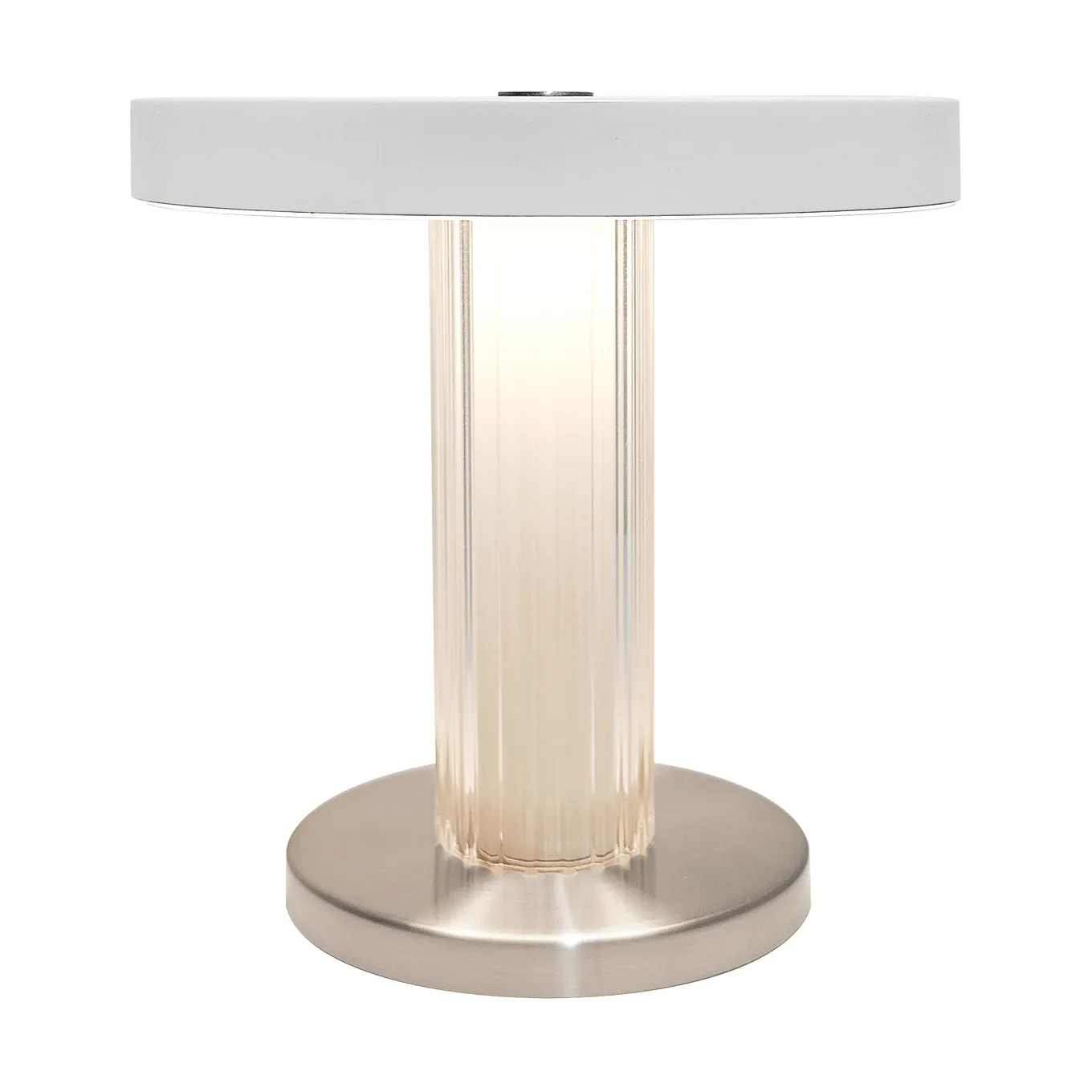
In neo deco, light fittings do more than just fulfil a functional role. With their sculptural shapes, glass or metallic finishes, they can become an important part of the interior design in their own right.
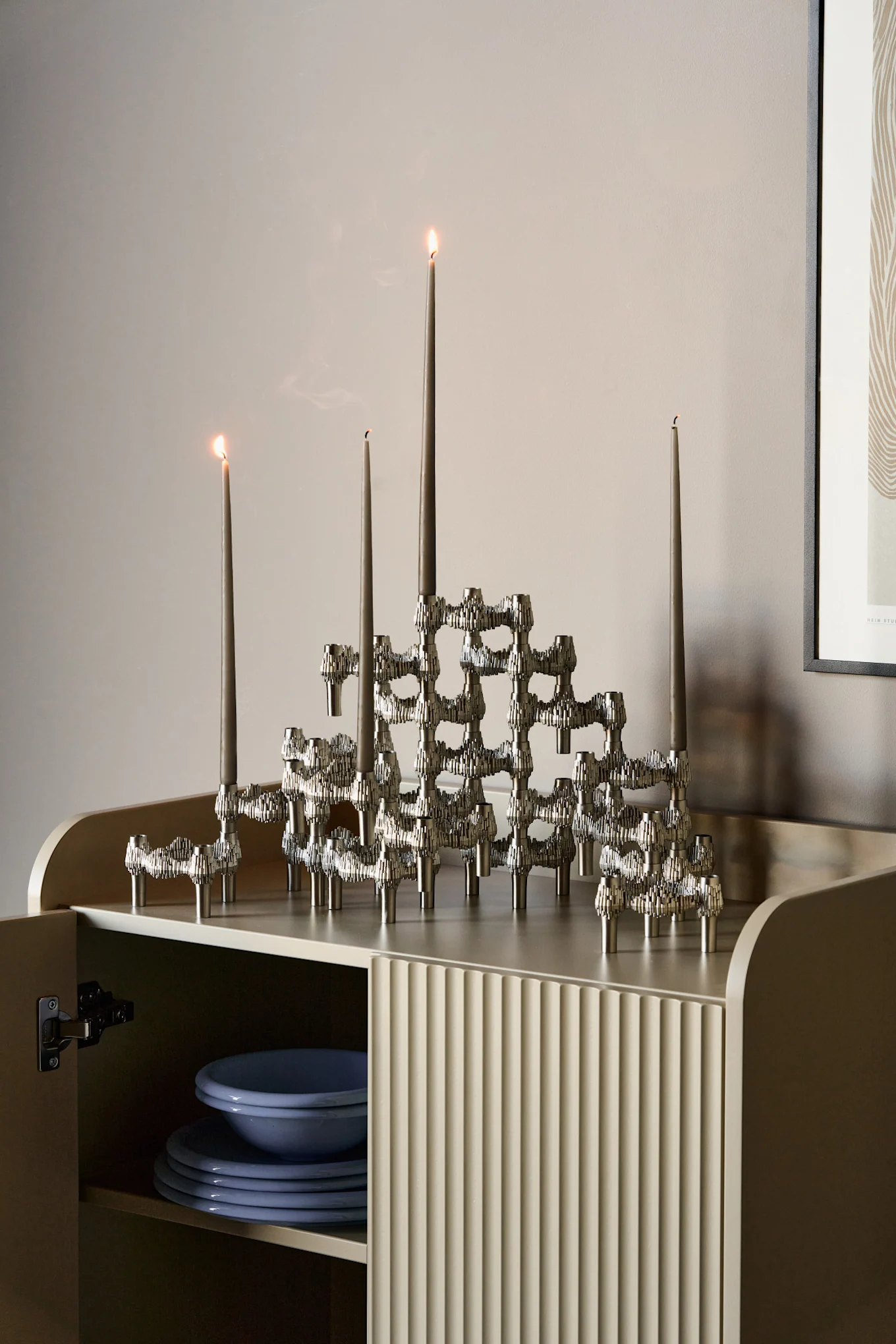
A combination of several light sources creates a particularly pleasant effect. Table and floor lamps, indirect lighting and candles create different focal points of light and bring out the best in the interior’s materials and colours.
Read more here:
5. Decorate with intention
Despite its decorative roots, neo deco doesn't need to be over the top. What matters most is which pieces you choose, and how thoughtfully you combine them.
Give standout objects room to breathe rather than filling every surface. A single mirror, a striking lamp or a characterful vase can act as a focal point, while the rest of the room stays deliberately understated.
That restraint is what keeps the look feeling modern, rather than over done.
Neo Deco: A retro take for modern living
Neo Deco brings more depth, colour and character to modern living spaces, without compromising on the clarity of contemporary design. The Art Deco inspiration is evident in geometric shapes, dark woods, fine materials and decorative details – but is interpreted in a much more relaxed way.
And there’s no need to completely overhaul your own interior style. Even just a few distinctive pieces of furniture and accessories can complement an existing décor and give it a fresh new direction.
Perhaps that is precisely Neo Deco’s greatest strength: the trend doesn’t dictate what a home should look like, but creates space for a more personal blend of modern design, historical influences and things you simply enjoy having around you.
Read more here: