FREE SHIPPING FOR ORDERS OVER $199
60 DAYS RETURN POLICY
5% OFF FOR NEWSLETTER-SIGN UP
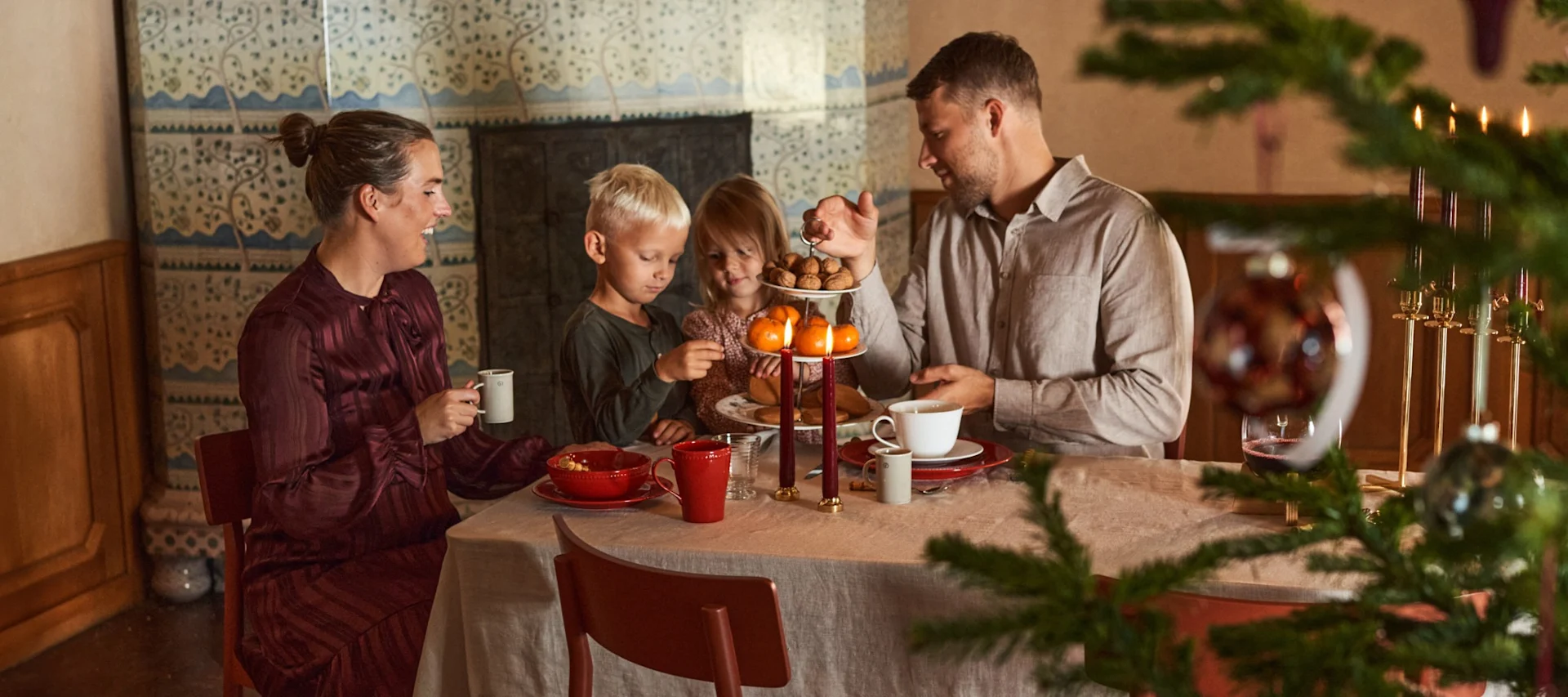
Swedish Christmas traditions - Discover the magic of a Swedish Christmas
Advent – the beginning of the Christmas season
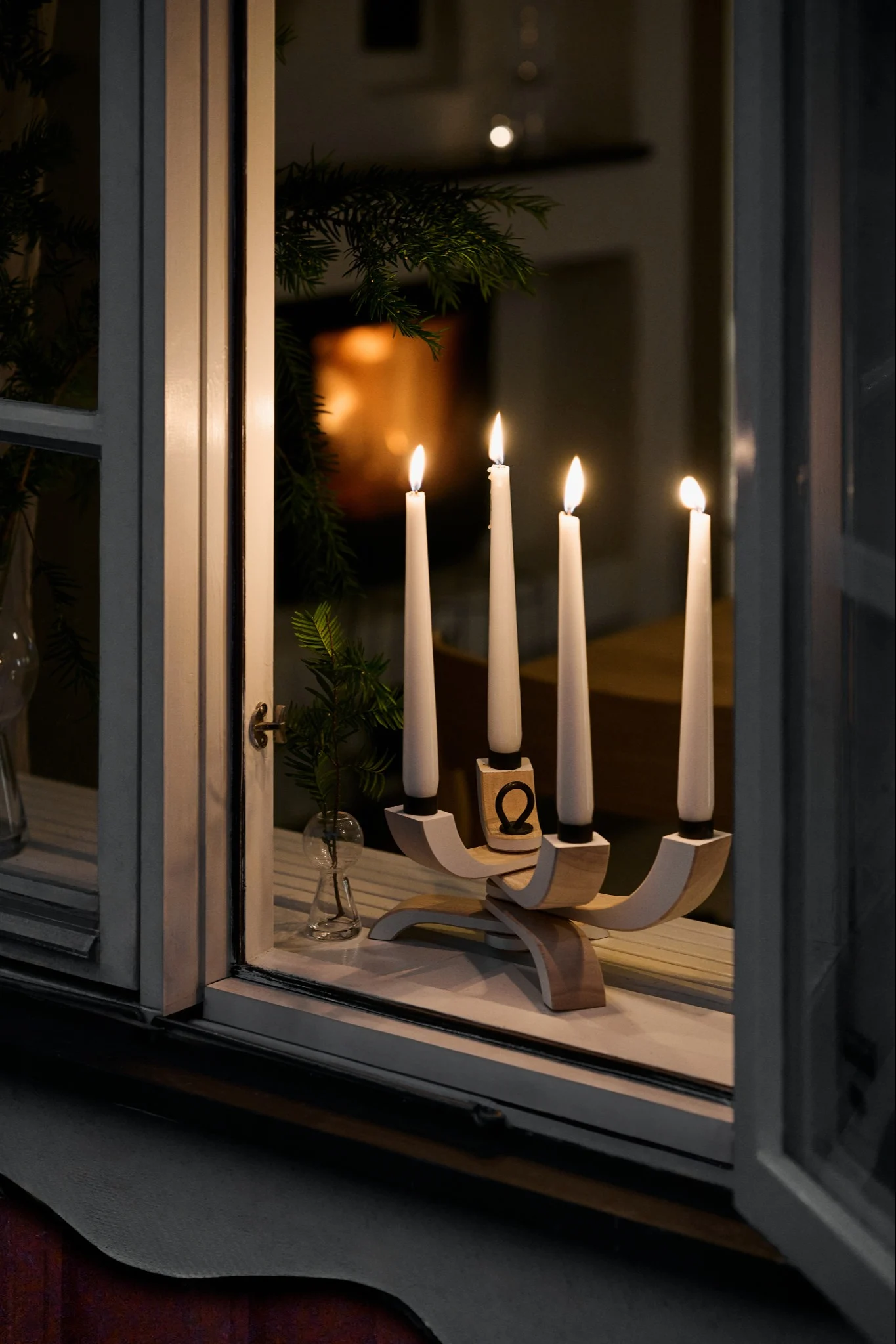
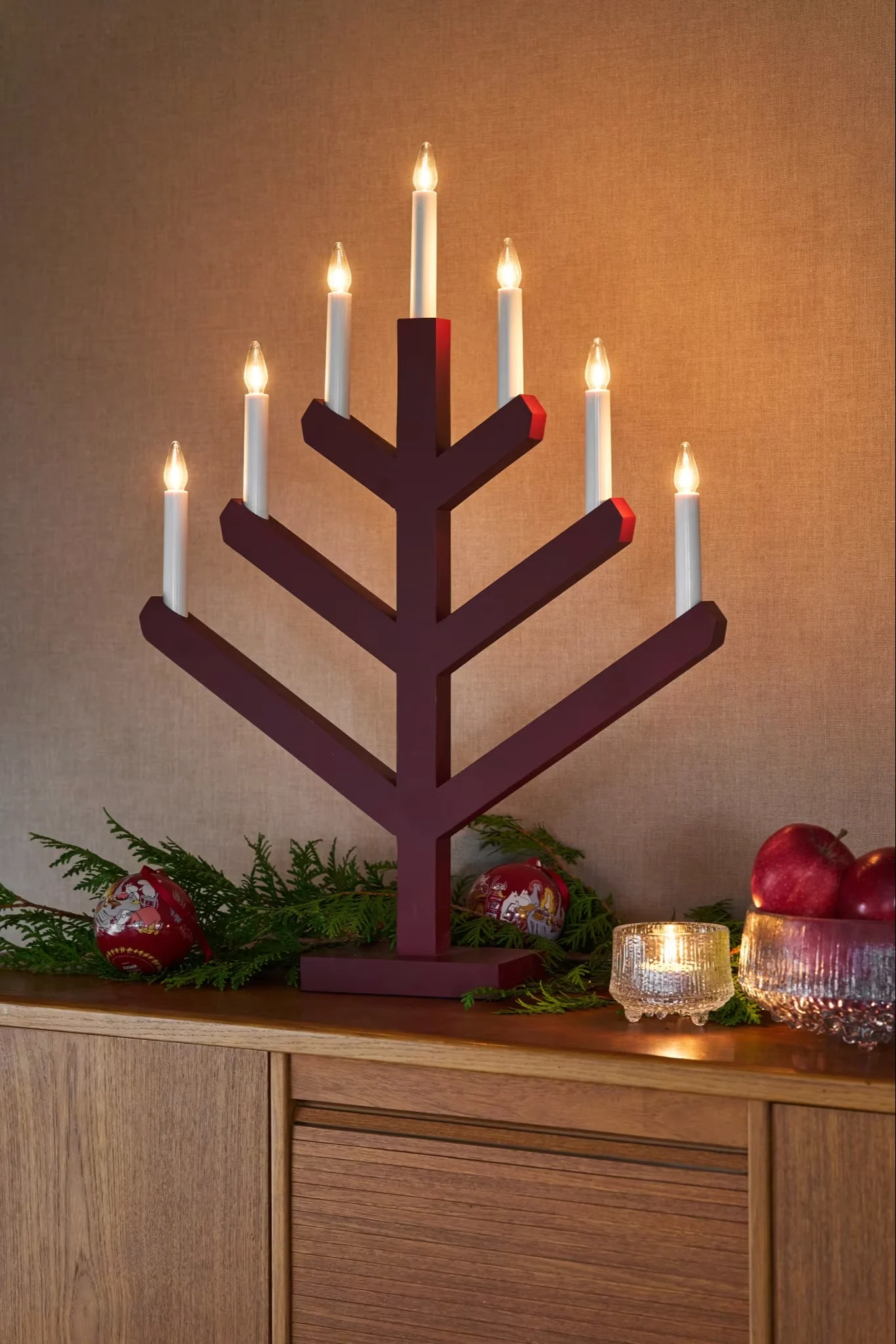
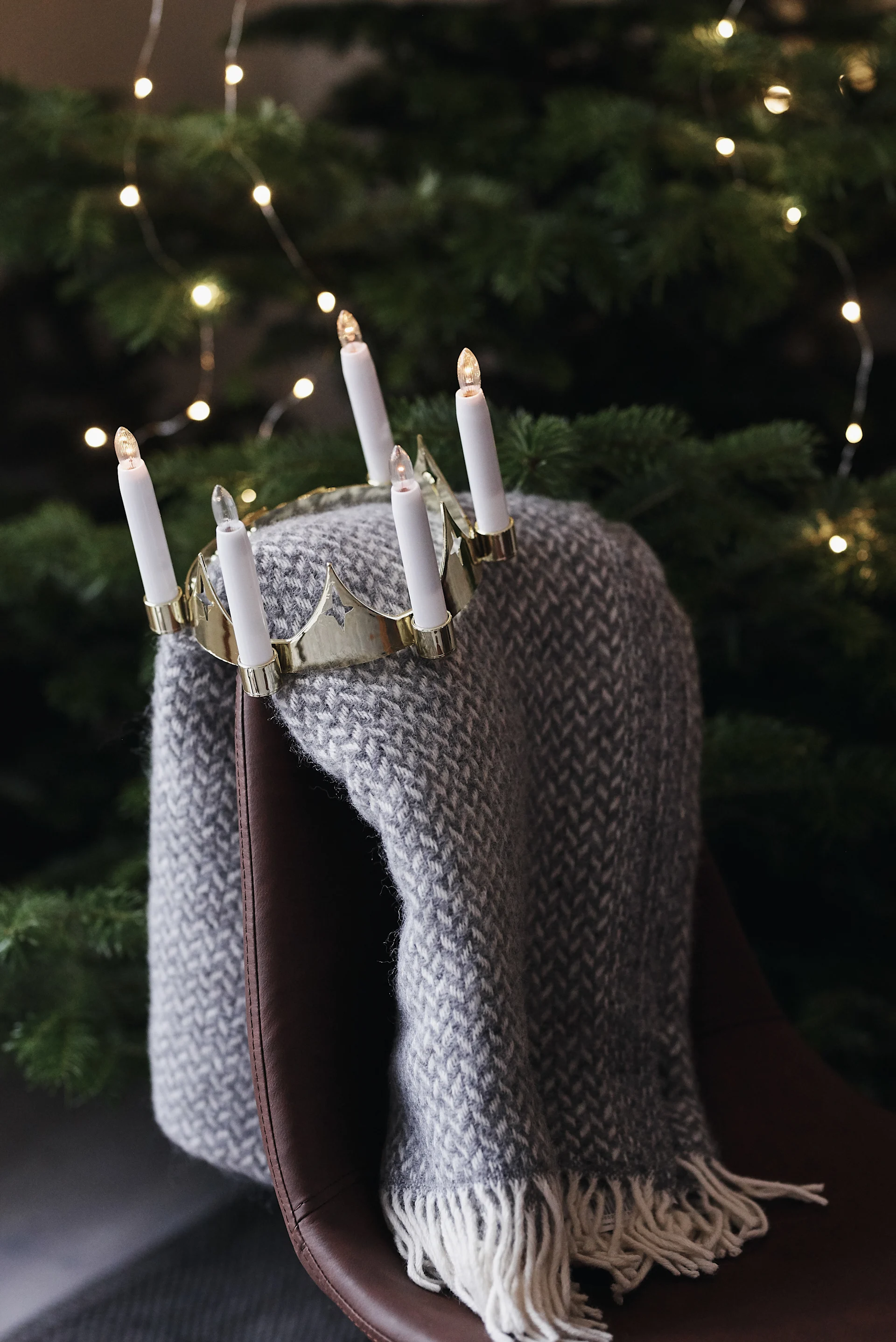
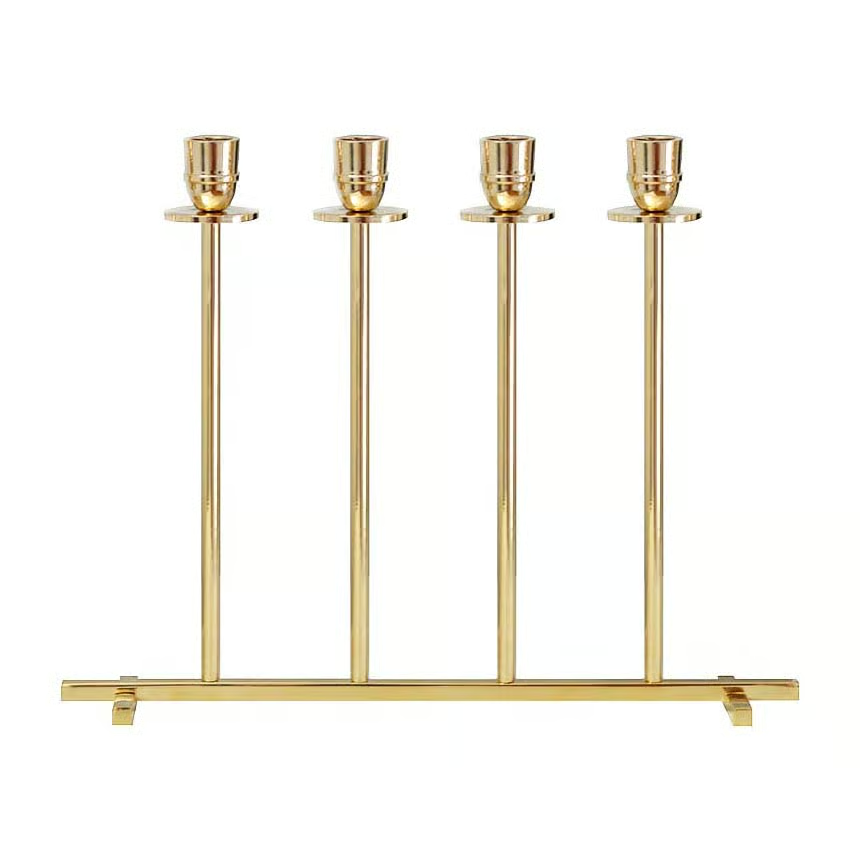
At the end of November the season of light begins in Sweden. Almost every window has an Advent candle holder – an electric candle arch - or a glowing Christmas star, to dispel the darkness.
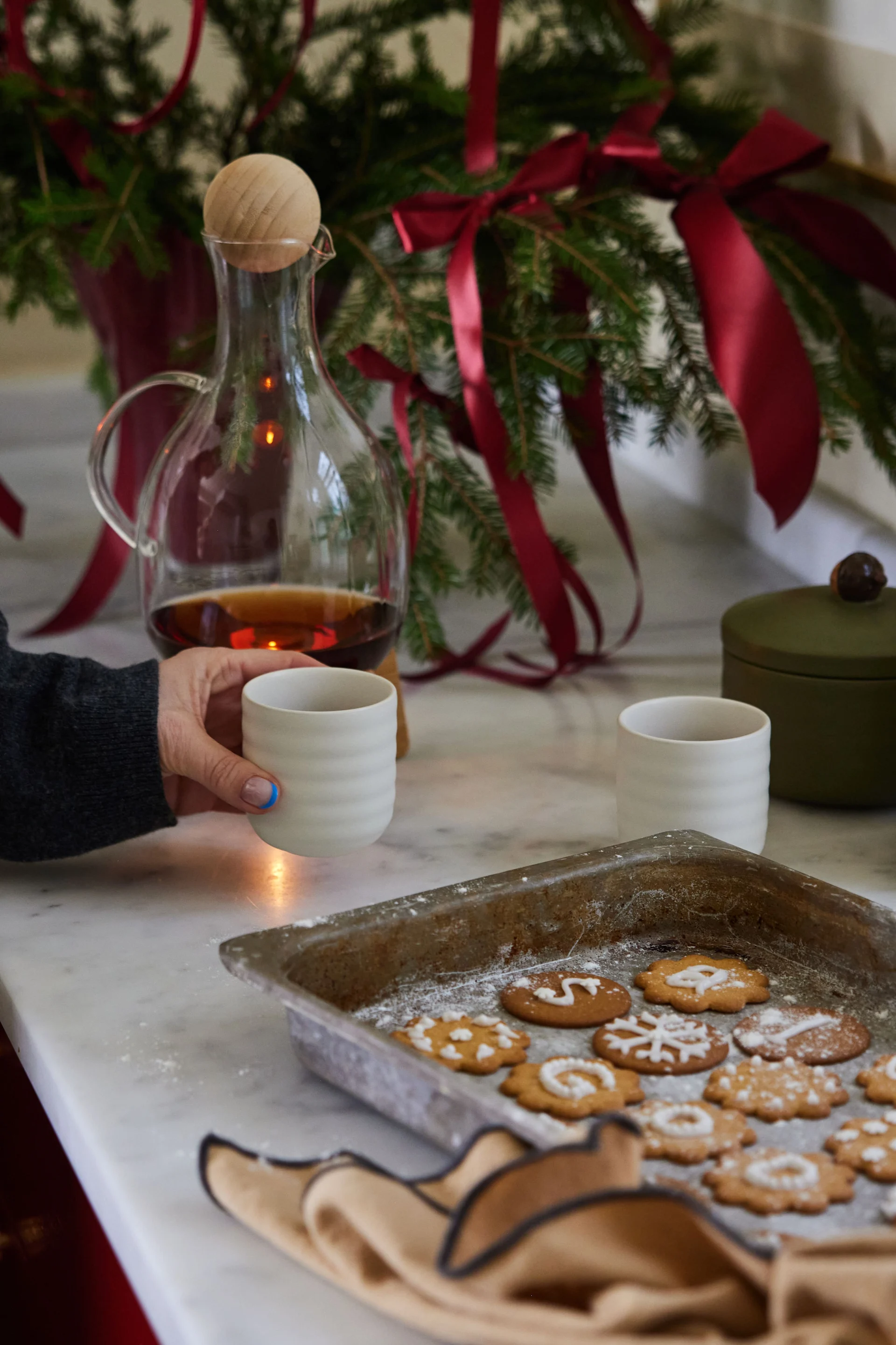
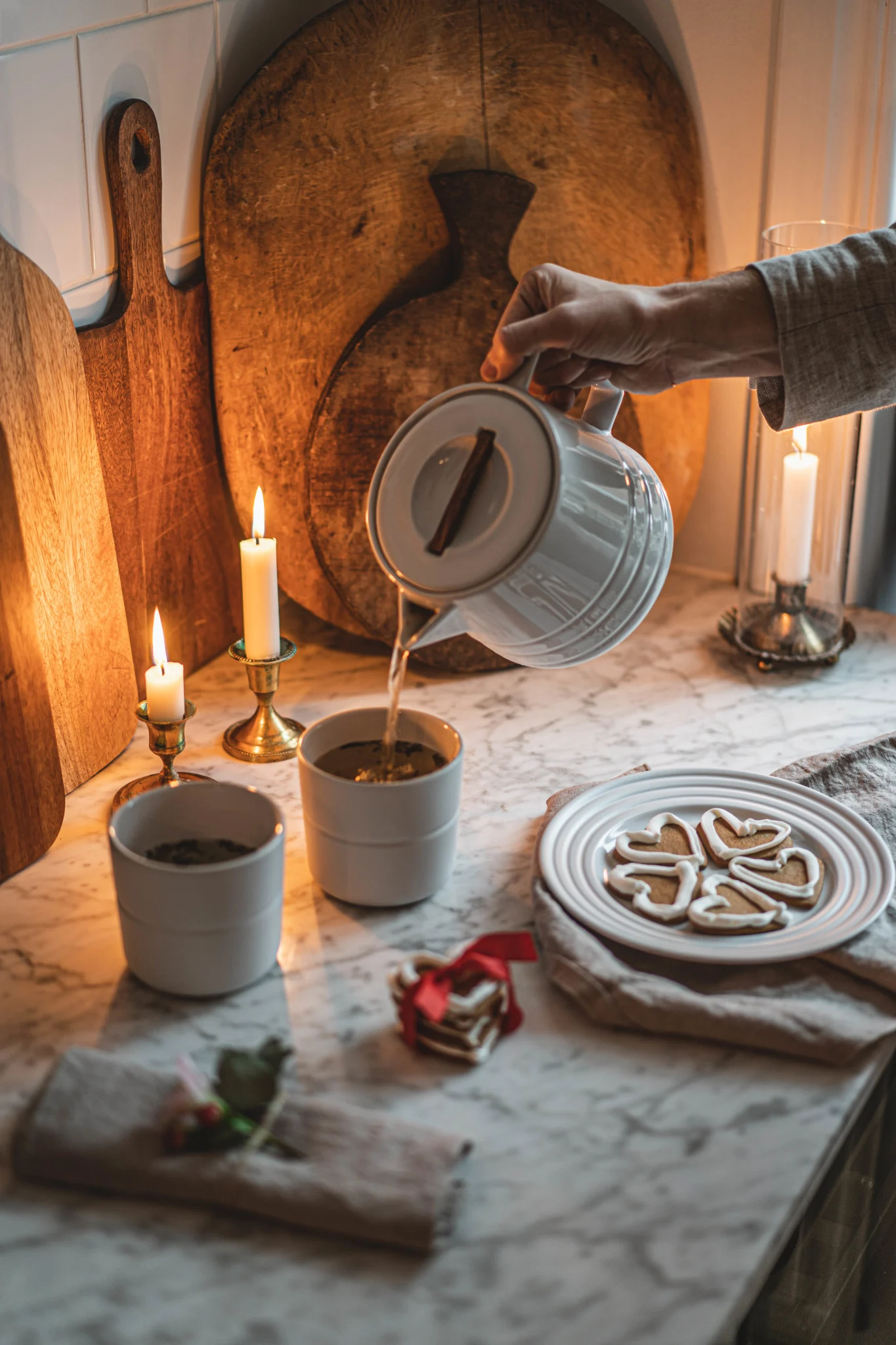
This light is more than just decoration: it is a symbol of hope and security. Swedish Christmas traditions are about spending time in peace and contemplation, surrounded by candlelight, with a cup of glögg (Swedish mulled wine) and pepparkakor (traditional gingerbread biscuits). In Sweden, the wait for Christmas is not a hectic rush, but a conscious pause, a moment to take a deep breath in the midst of the darkness.
Continue reading here:
1. Lucia Day: A central part of Swedish Christmas traditions
Lucia Day, celebrated on 13th December, is one of the most cherished Swedish Christmas traditions. Arriving during the darkest time of the year, Lucia brings a sense of light, hope, and warmth. The celebration traces its roots to Saint Lucia of Syracuse, the patron saint of light. Her feast day once aligned with the winter solstice, which is why Lucia continues to symbolically brighten Sweden’s long winter nights.
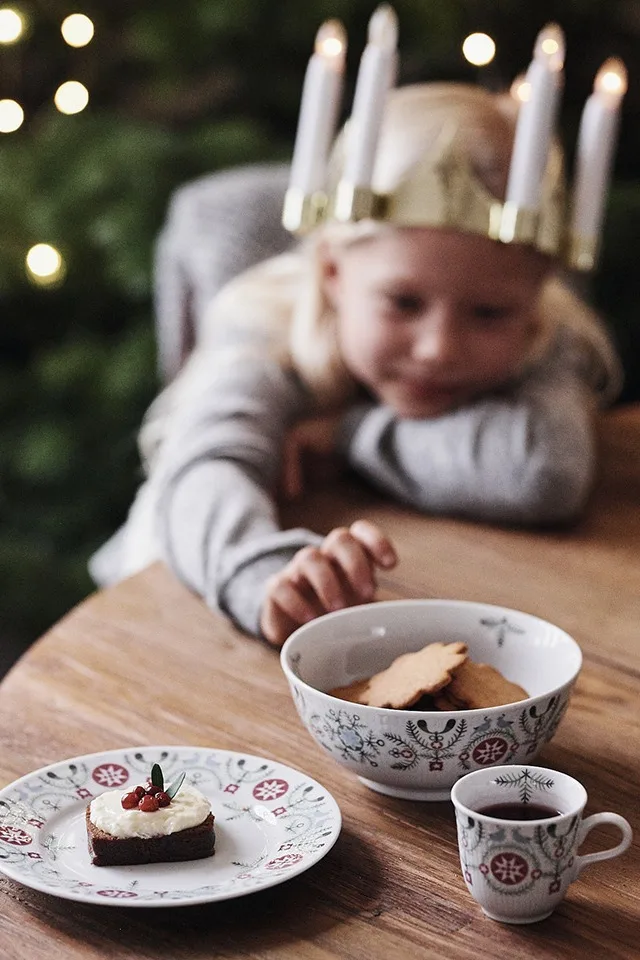
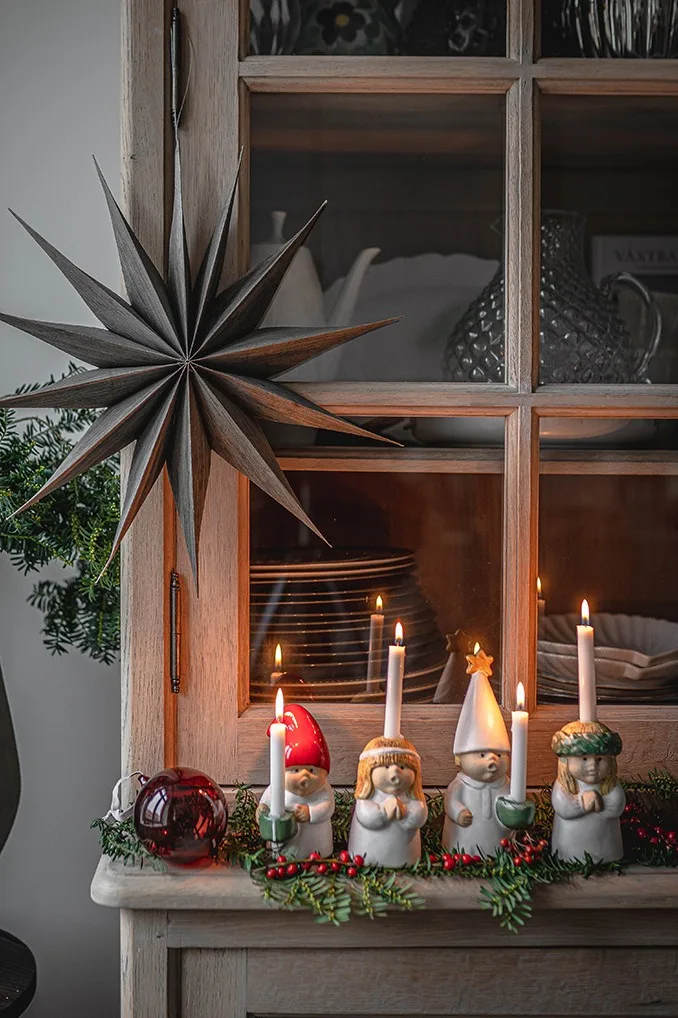
Early in the morning of December 13th, girls and women dressed in white appear as Lucia in schools, kindergartens, churches, workplaces, and nursing homes across the country. Wearing a candle-filled wreath (now usually electric) Lucia is accompanied by star boys and attendants who sing traditional Lucia songs. These processions are among the most widely recognised Christmas traditions in Sweden, marking the start of the festive season.
A special highlight is the annual nationwide Lucia election. Each year, a representative Lucia is chosen to perform at public events, sing in churches, and appear on television. This national figure embodies community, generosity, and light, making Lucia Day a deeply meaningful symbol within Swedish Christmas celebrations.
2. Jultomte: Swedish Father Christmas
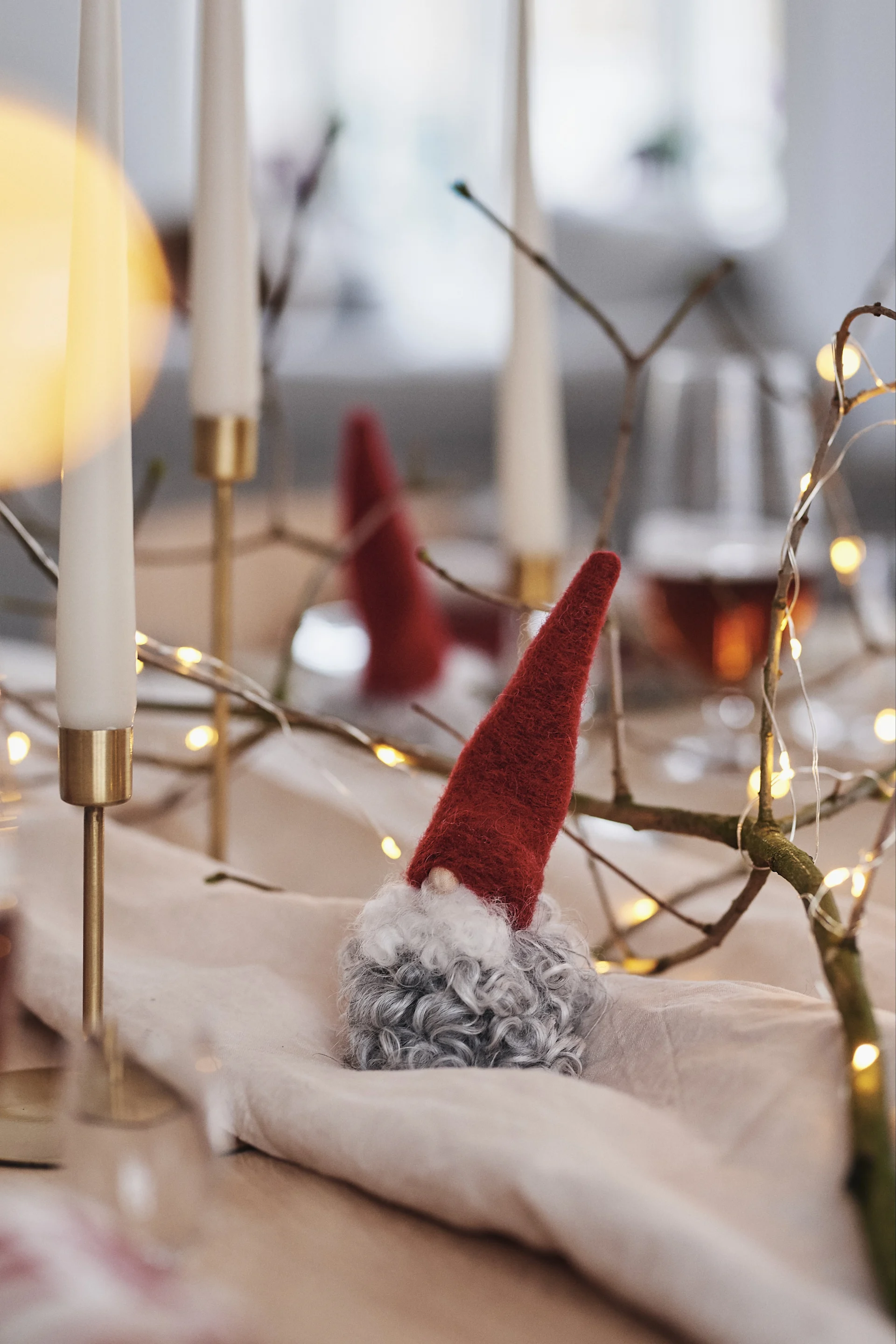
The Jultomte is one of the most iconic figures in Swedish Christmas traditions. Often described as the Swedish version of Father Christmas, Jultomte has much older roots than the modern Santa Claus. His name combines Jul (Christmas) and Tomte (gnome). In Nordic folklore, the Tomte is a small, bearded farm guardian who protects the home, cares for the animals and keeps order on the farm. This mythical figure has lived on for centuries in Swedish stories, songs, and regional customs.
Traditionally, Jultomte is depicted as a small, stocky man with a long, white beard. He wears a red, pointed cap, similar to those worn by Scandinavian gnomes rather than a traditional Santa hat, and is usually dressed in grey or red woollen clothing.
A defining feature of the Swedish Jultomte is that he delivers gifts in person. Instead of arriving at night, he knocks on the door on Christmas Eve and hands presents directly to the family. In many homes, a relative dresses up as Jultomte, keeping the tradition playful and alive. It is also customary to offer him something to eat, historically a bowl of Tomtegröt (rice pudding). This gesture echoes old beliefs that the Tomte lives on the farm year-round, where people expressed gratitude at Christmas for his protection and hard work.
Blending folklore, family rituals, and festive magic, the Jultomte remains one of the most enduring and beloved Swedish Christmas traditions.
Discover our recipe for tomegröt here: Winter bucket list – 17 Swedish things for you to try this winter

3. Glöggmingel: a cosy get-together in the run-up to Christmas
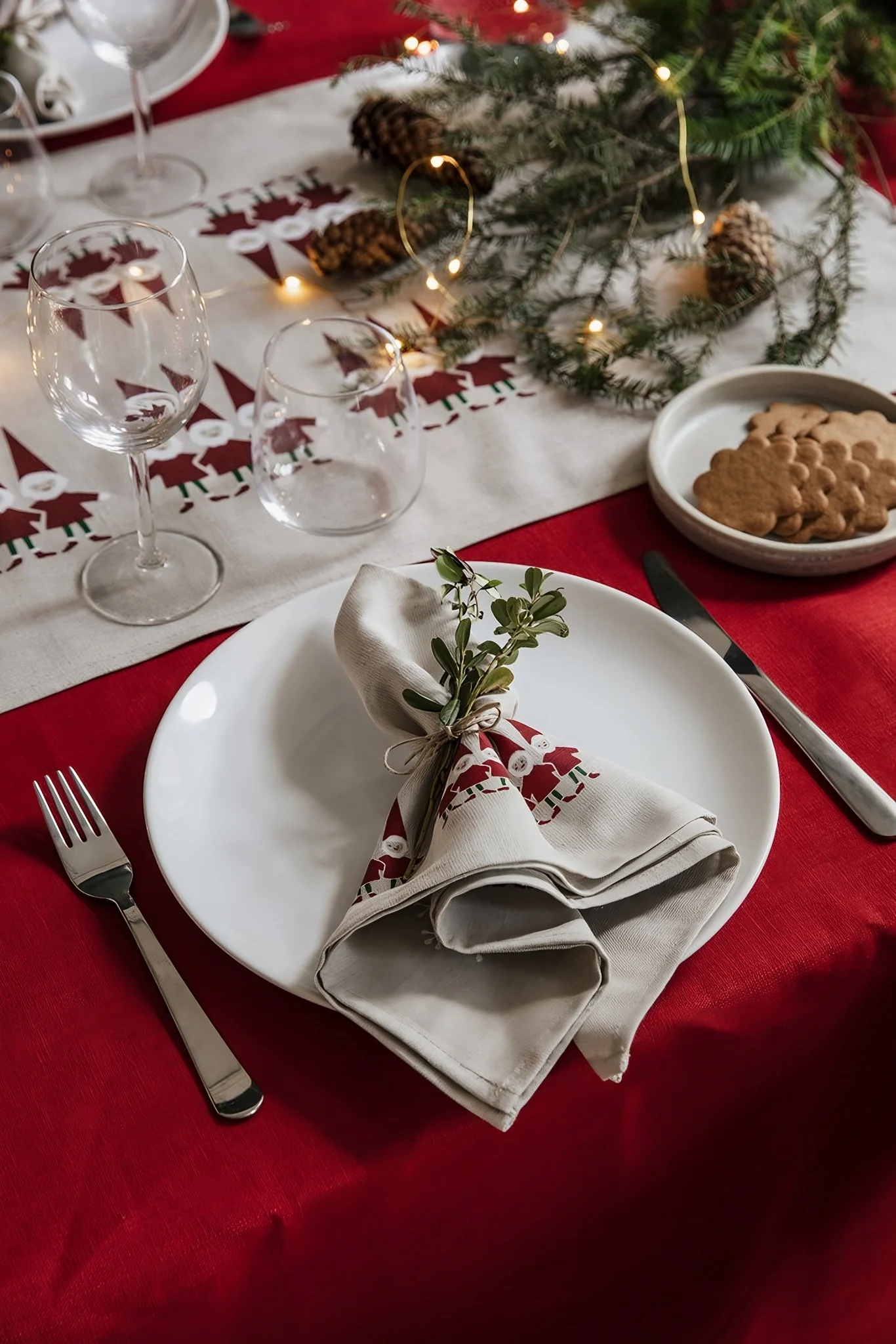
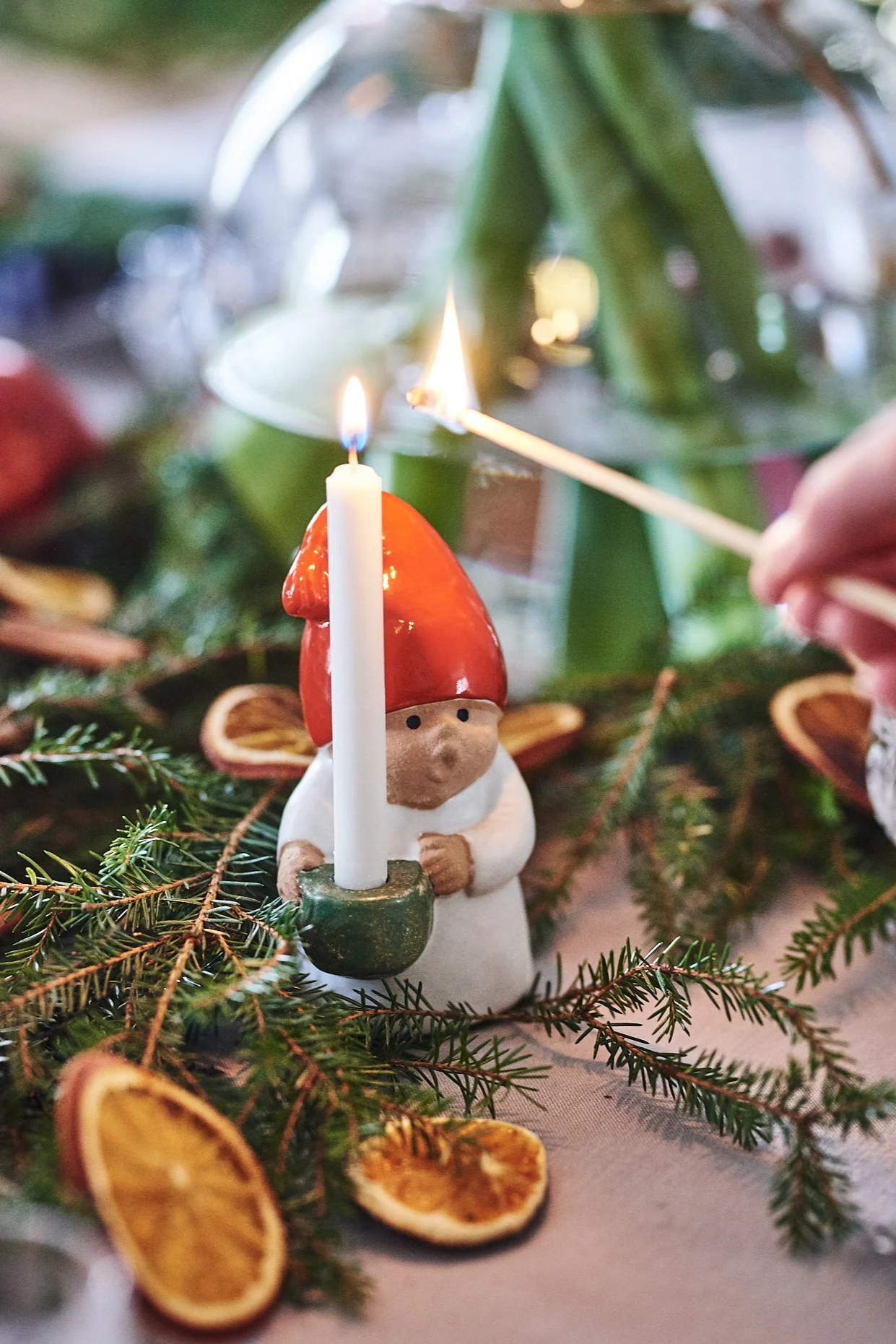
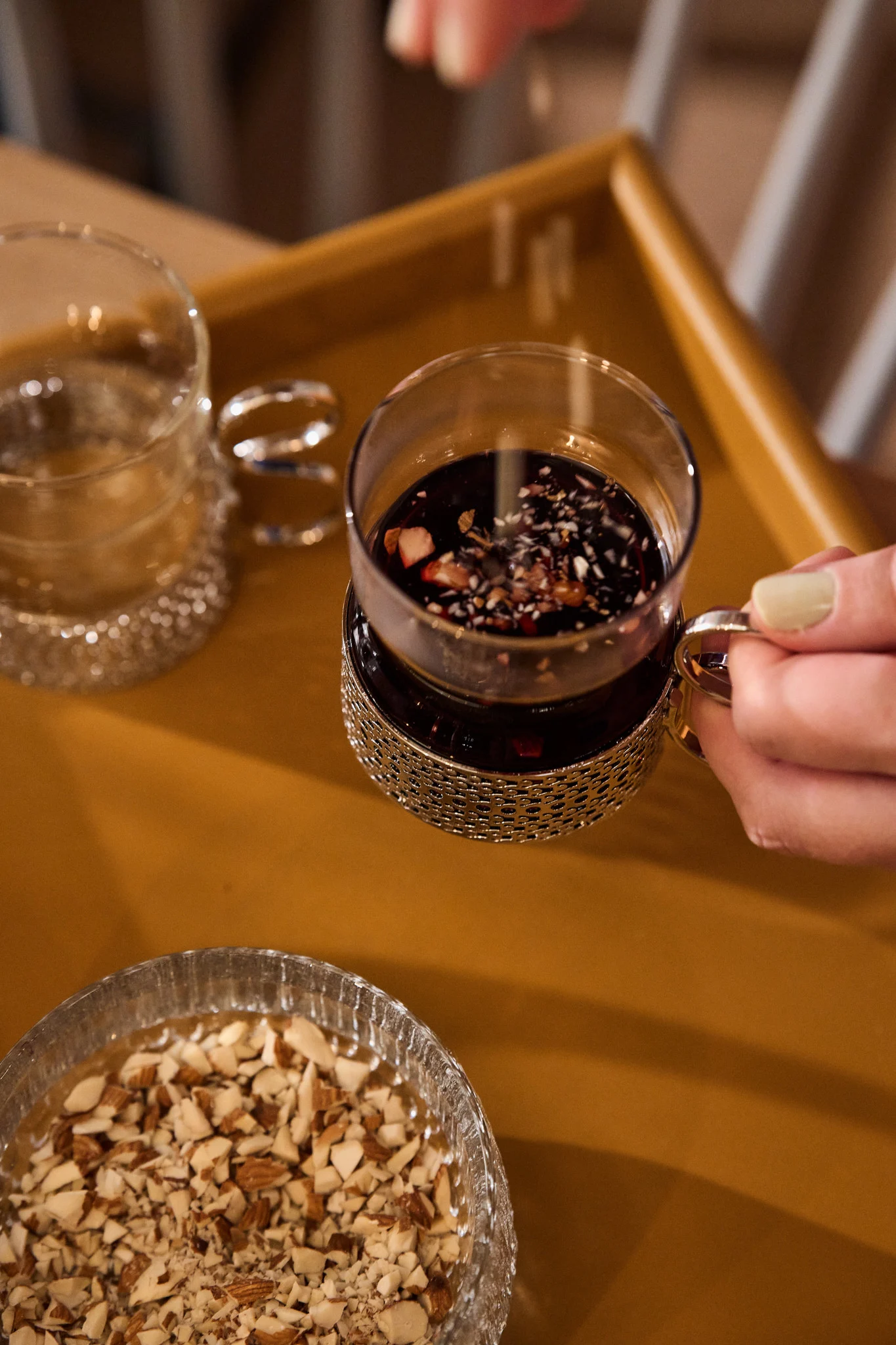
An integral part of the Swedish Christmas traditions in the lead up to Christmas is the so-called "Glöggmingel". A casual, warm-hearted get-together with friends, neighbours or colleagues. It is not a big party or a formal gathering, but a spontaneous occasion to brighten up the dark winter evenings together.
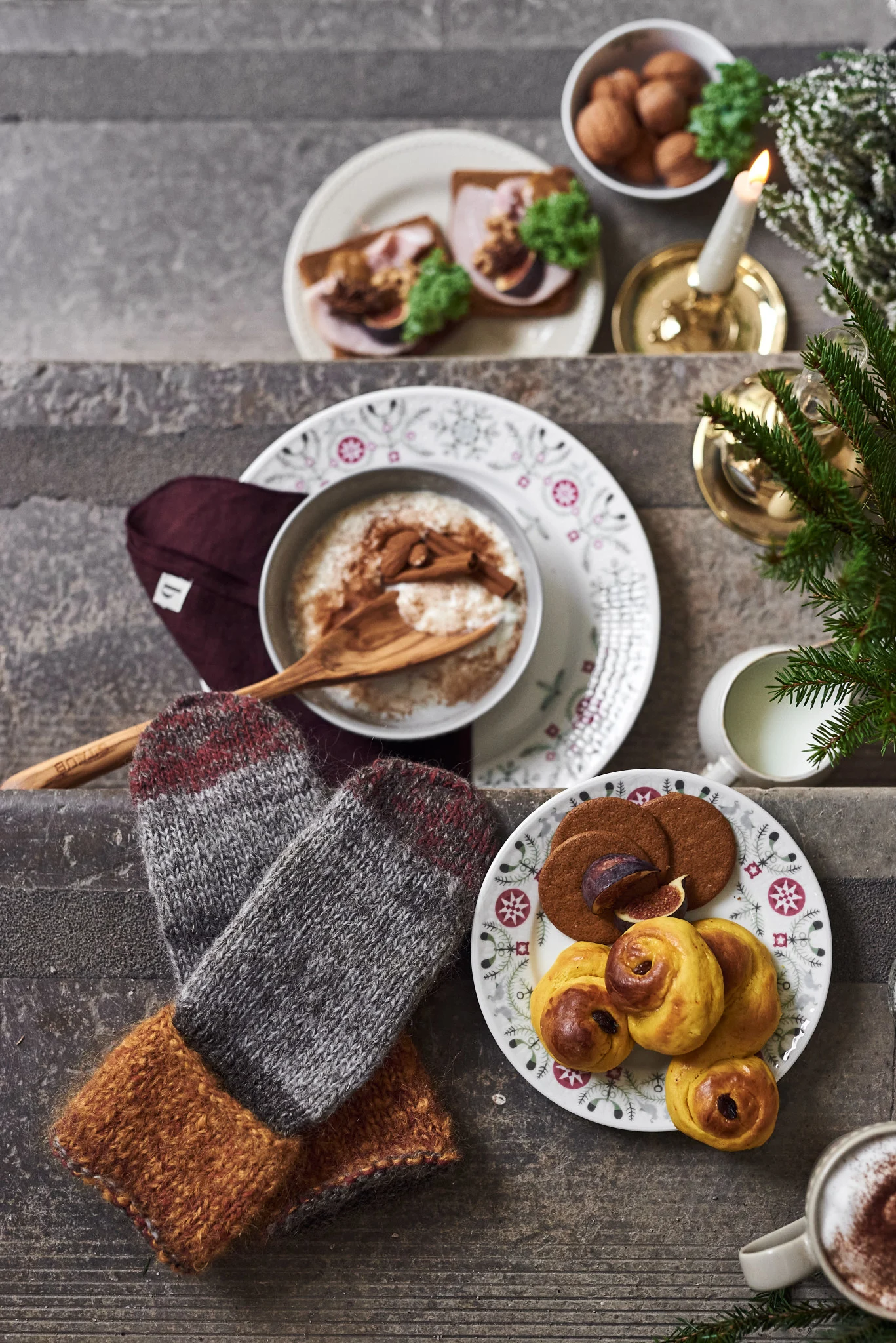
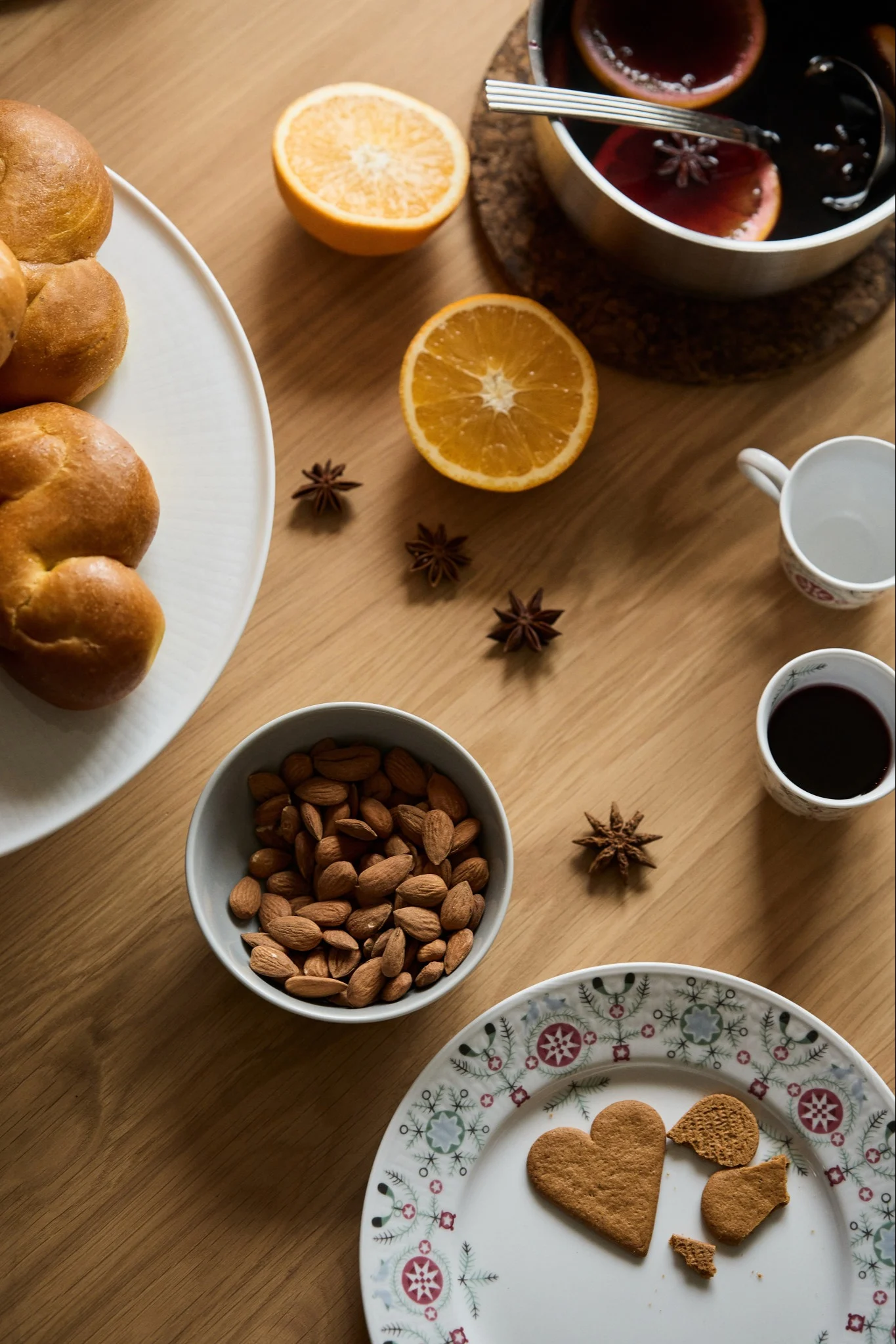
As the name suggests, Glöggmingel centres around glögg: an aromatic and sweet spiced mulled wine traditionally served with raisins and almonds. It is often accompanied by pepparkakor, saffron buns or small savoury snacks. Guests come and go, chatting, laughing and enjoying the cosy atmosphere.
What makes Glöggmingel so special is its simplicity: it doesn't require much preparation, just a warm home, candlelight and a few lovingly selected snacks. For many Swedes, it is a moment to take a breather during Advent, feel a sense of community and share the anticipation of Christmas in Sweden.
Anyone can host their own Glöggmingel with some stylish glögg mugs, a beautiful tray, fragrant spices and a selection of Swedish delicacies that warm the heart.
Discover how to host your own Glöggmingel here:
4. Advent Baking and the scents of the season
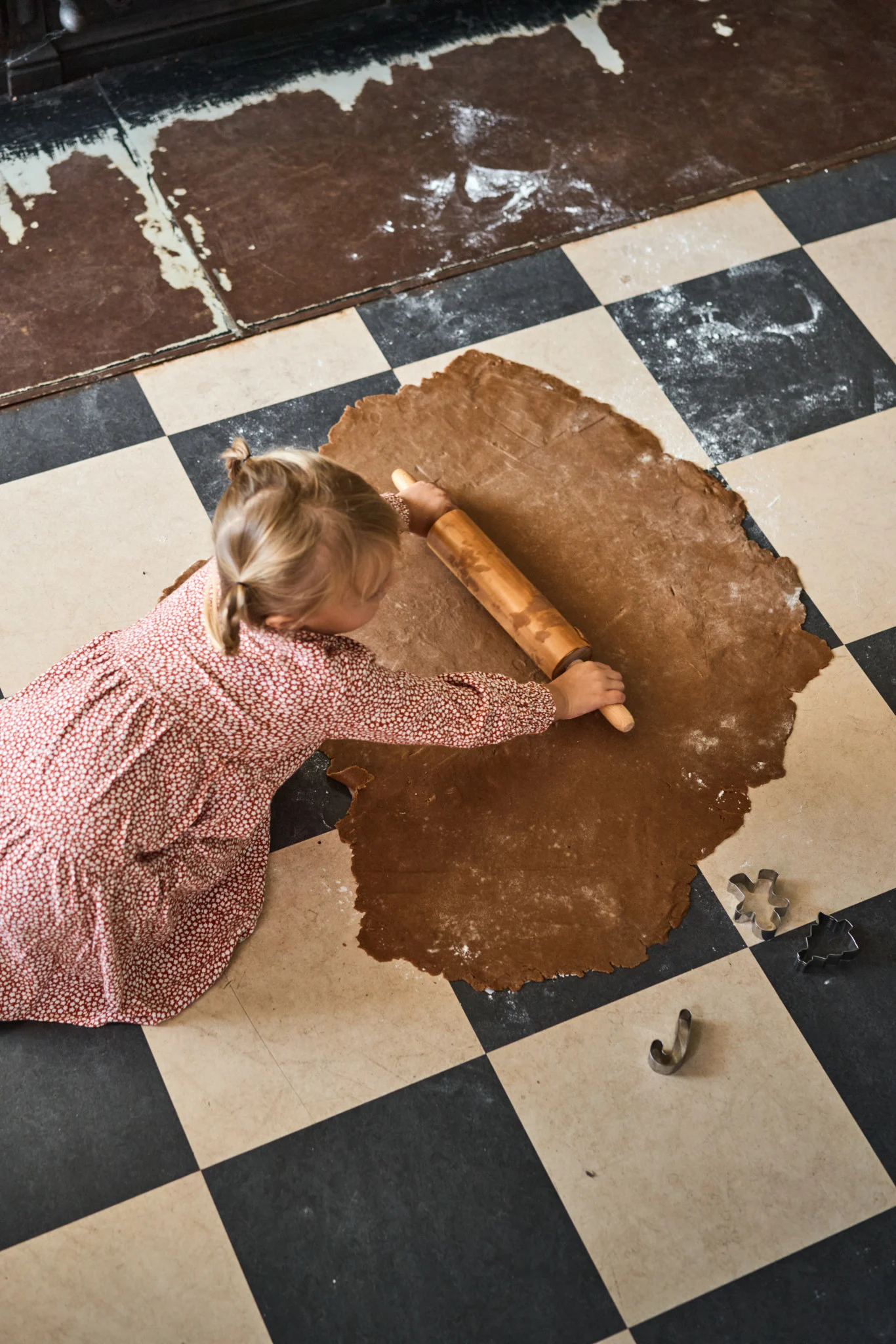
Swedish kitchens are especially lively during Advent, and few things capture the essence of Swedish Christmas traditions like the aromas of saffron, cinnamon, and freshly baked dough. Christmas baking becomes a family ritual in Sweden that connects generations and fills the home with warmth and anticipation.
One of the most beloved Advent specialities is Lussekatter, the golden S-shaped buns traditionally served on Lucia Day. Their deep yellow colour comes from saffron, once considered a precious and rare spice in Sweden. Historically used only on special occasions, saffron was believed to bring light to the darkest time of year and was even thought to ward off evil spirits according to old folk beliefs.
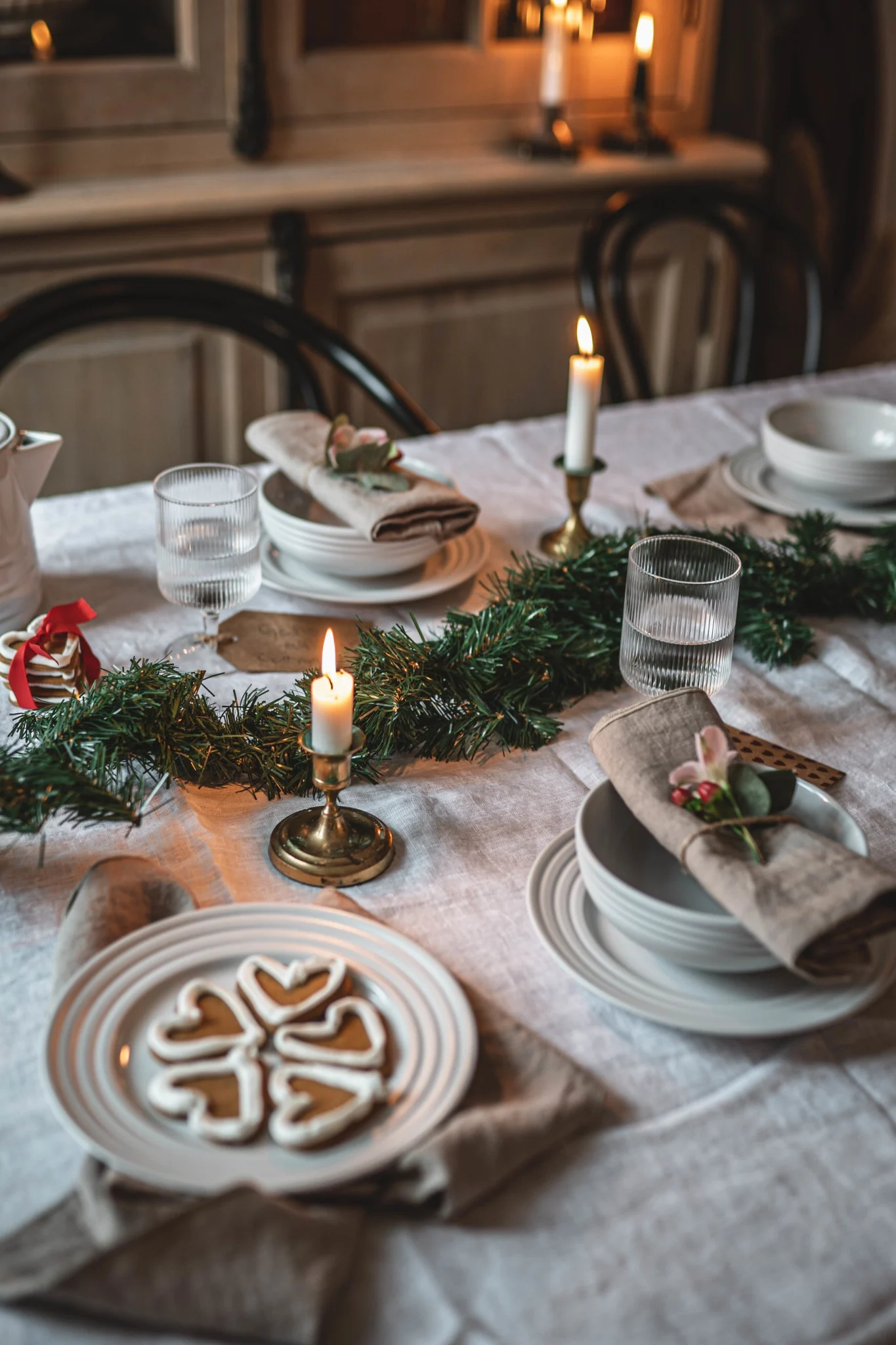
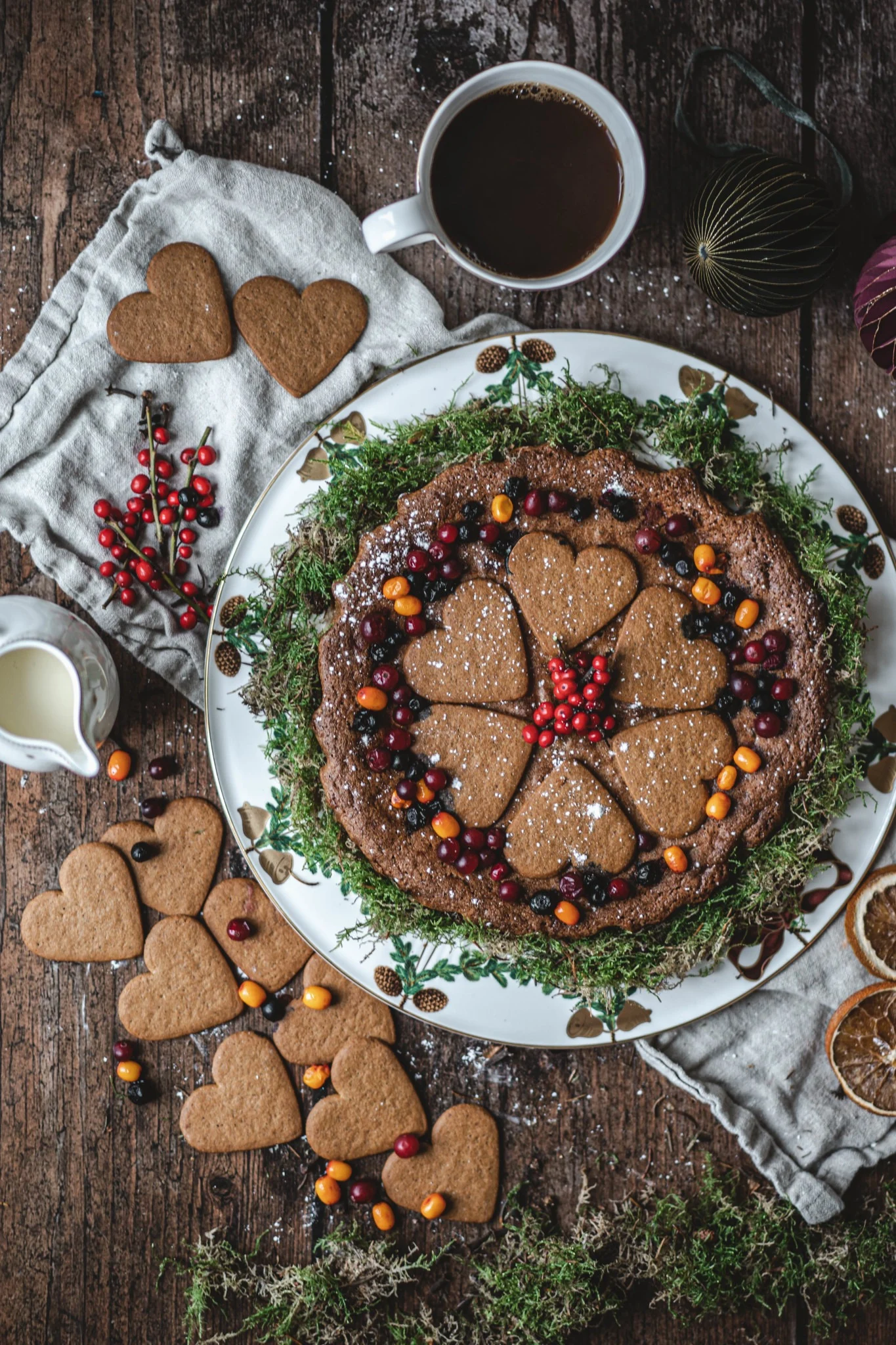
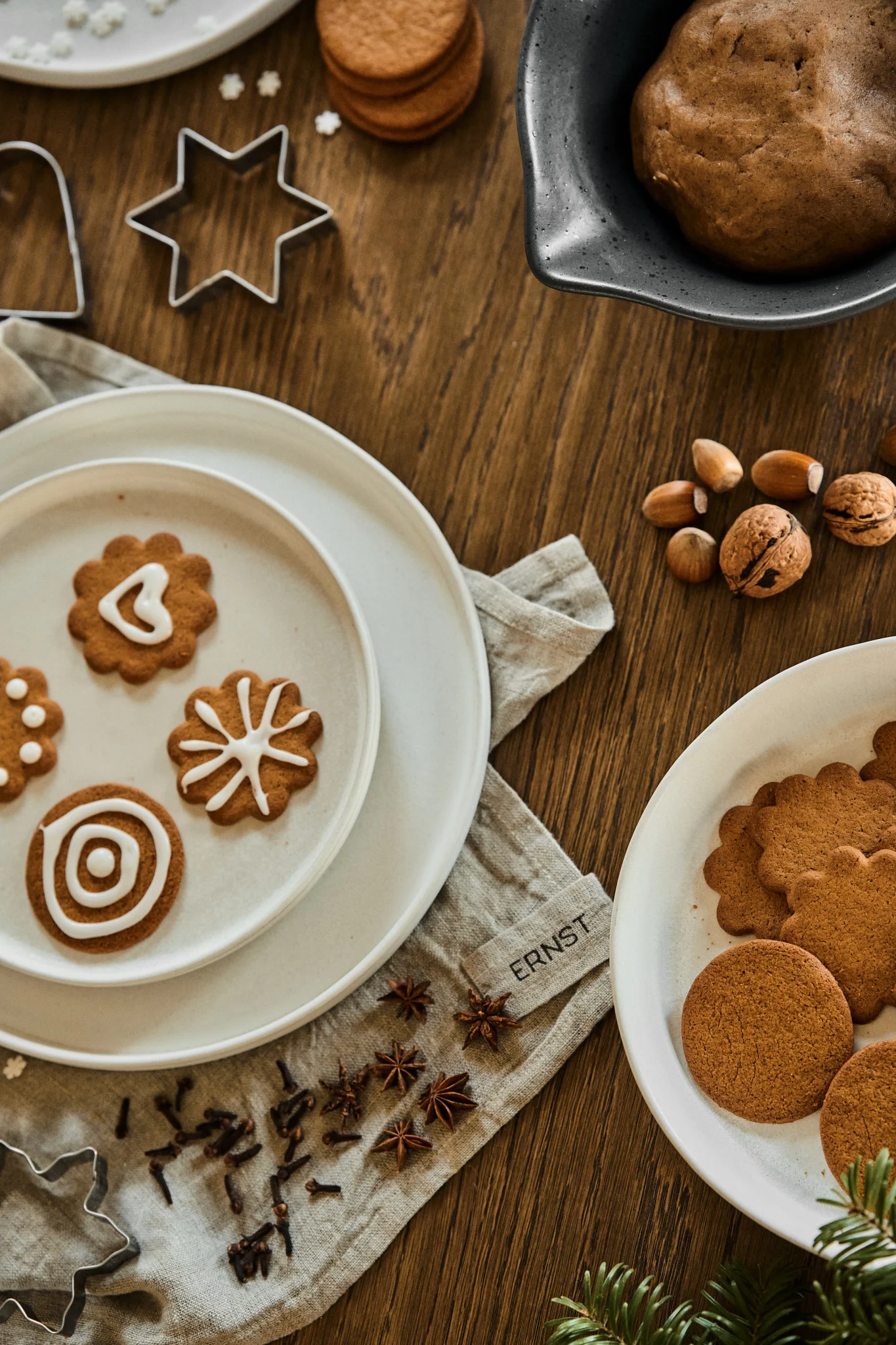
Alongside Lussekatter, Pepparkakor—thin, crisp gingerbread cookies—are essential to Christmas in Sweden. Often cut into hearts, or stars they are decorated with care and enjoyed throughout December. Many families also build small gingerbread houses, proudly displaying them until Christmas Eve. Another classic, Knäck, is a chewy caramel toffee poured into tiny paper cases and enjoyed for its perfectly sticky crunch.
These simple, loving moments embody the magic of Christmas in Sweden, a season filled with community, tradition, and familiar scents that return year after year.
Here you will find typical recipes for Swedish pastries:
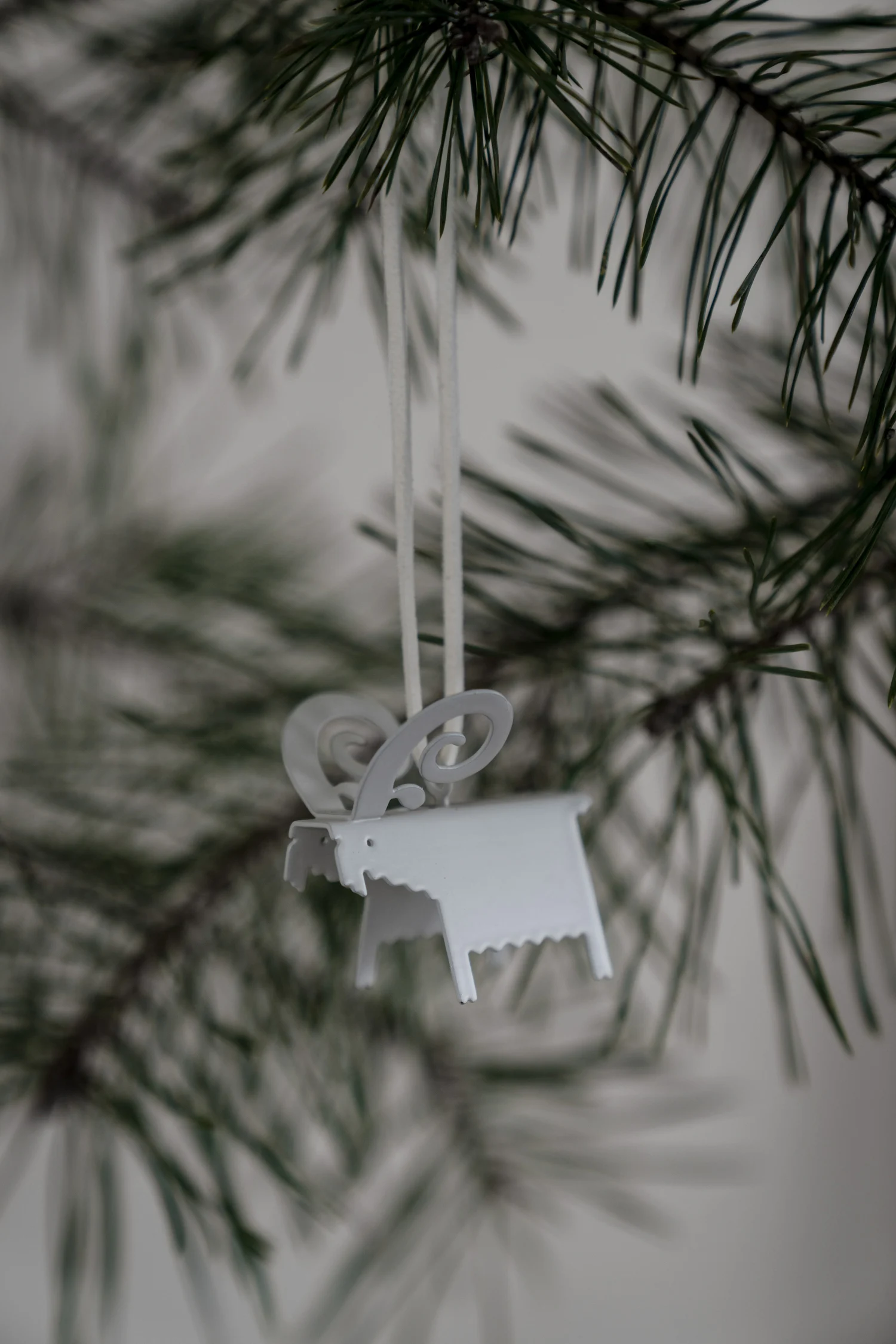
5. The Julbock: A straw goat steeped in Swedish Christmas tradition
One of the most recognisable symbols of Swedish Christmas is the Julbock - a straw goat tied with bright red ribbons. Its origins stretch far back into Norse mythology. Long before Christmas became a Christian celebration, the goat was associated with Thor, the god of thunder, and symbolised protection, strength, and good fortune.
Over time, this ancient symbol evolved into the Swedish Christmas tradition we know today. Across Sweden, villages and towns craft and display Julbockar of all sizes, often made by local clubs or neighbourhood groups. Historically, and still in some areas today, the community goat was ceremoniously burned at the end of the Christmas season, symbolically saying farewell to winter and welcoming the returning light.
The most famous example is the Gävlebock in the city of Gävle. A towering straw goat that stands several metres high. Each year it attracts global attention, both for its impressive craftsmanship and the yearly question of whether it will survive the season without being (illegally) burned.
Whether placed in a town square, a front garden, or as a small straw ornament in the living room, the Julbock remains an essential part of Christmas in Sweden. It continues to serve as a lucky charm, a symbol of protection, and a living piece of Nordic tradition.
6. Uppesitterkväll: The night before Christmas eve
The 23rd of December marks Uppesitterkväll, an evening in Swedish Christmas traditions that translates roughly to “the night of staying up.” This cosy gathering, held the day before Christmas Eve, is all about slowing down, preparing the final touches, and enjoying time together before the festivities begin.
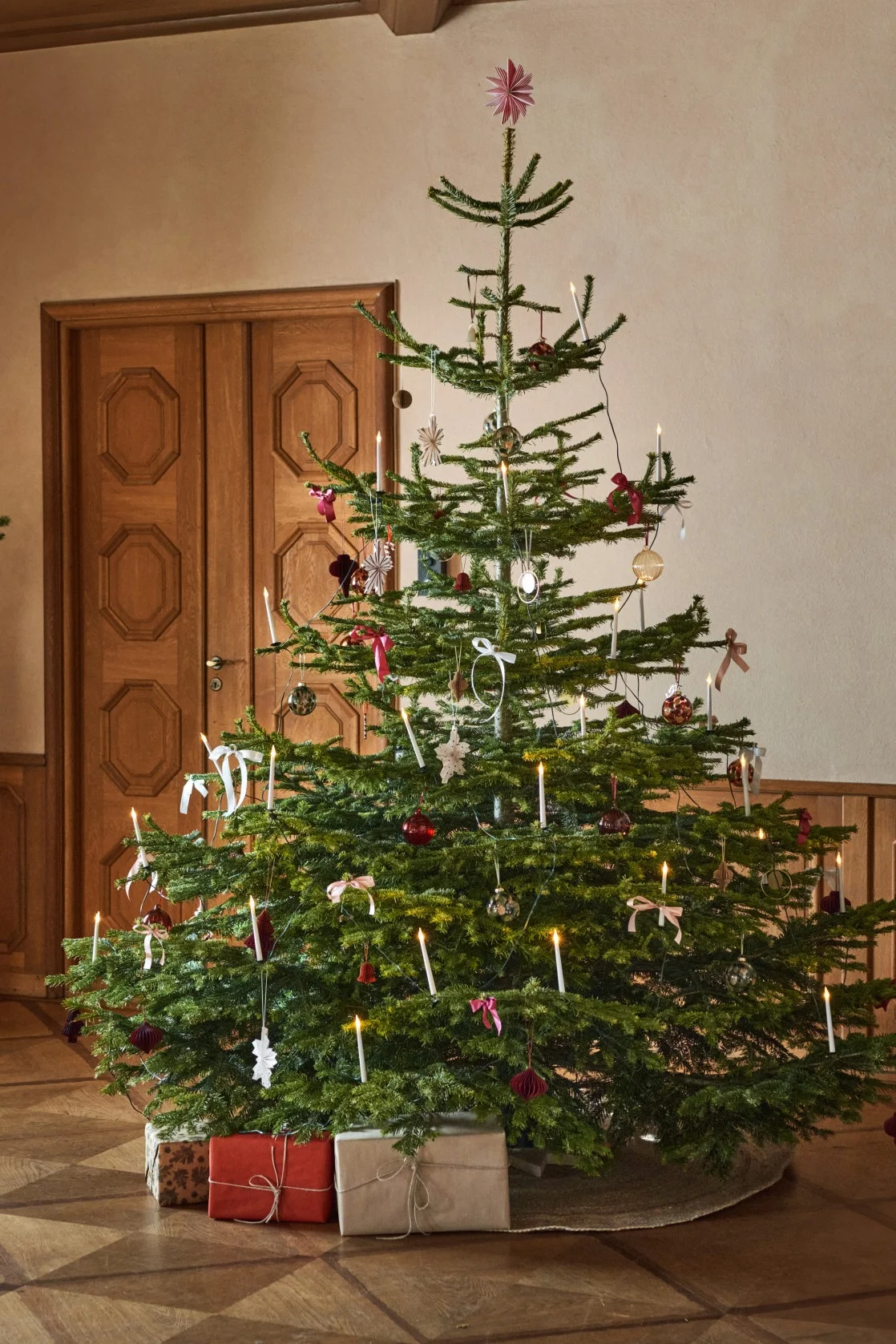
Traditionally, many Swedish families decorate their Christmas tree on this evening. Straw stars, wooden ornaments, and red ribbons turn the home into a festive winter setting, while candlelight adds warmth and anticipation for the celebrations ahead.
Uppesitterkväll is about togetherness. Families stay up late, sipping glögg, nibbling on gingerbread and wrapping the final presents. A key feature of the evening is watching the popular Uppesitterkväll edition of Bingolotto, a television tradition enjoyed in living rooms across the country.
Calm, cosy and filled with small rituals, Uppesitterkväll captures the heart of Christmas in Sweden, a blend of preparation, excitement, and cherished time with loved ones.

7. The Christmas table
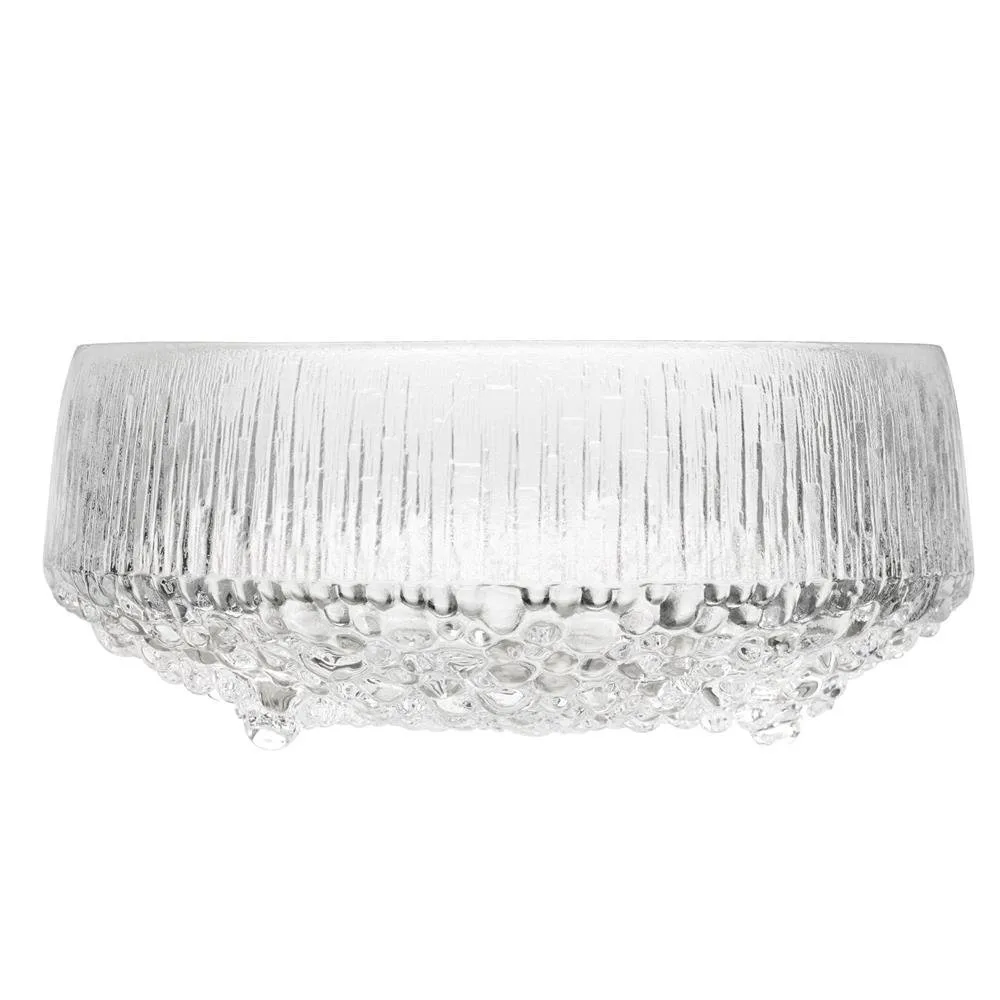
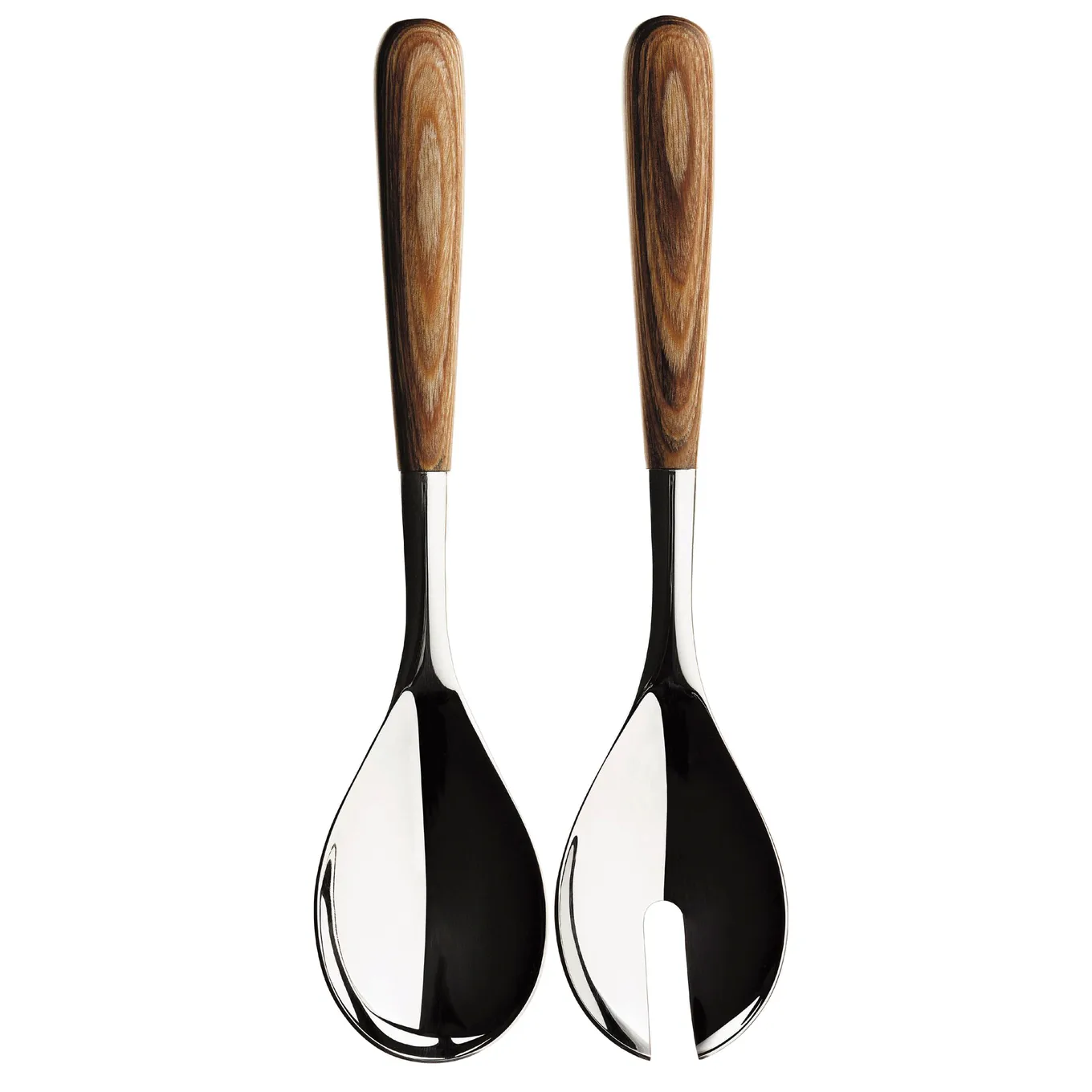
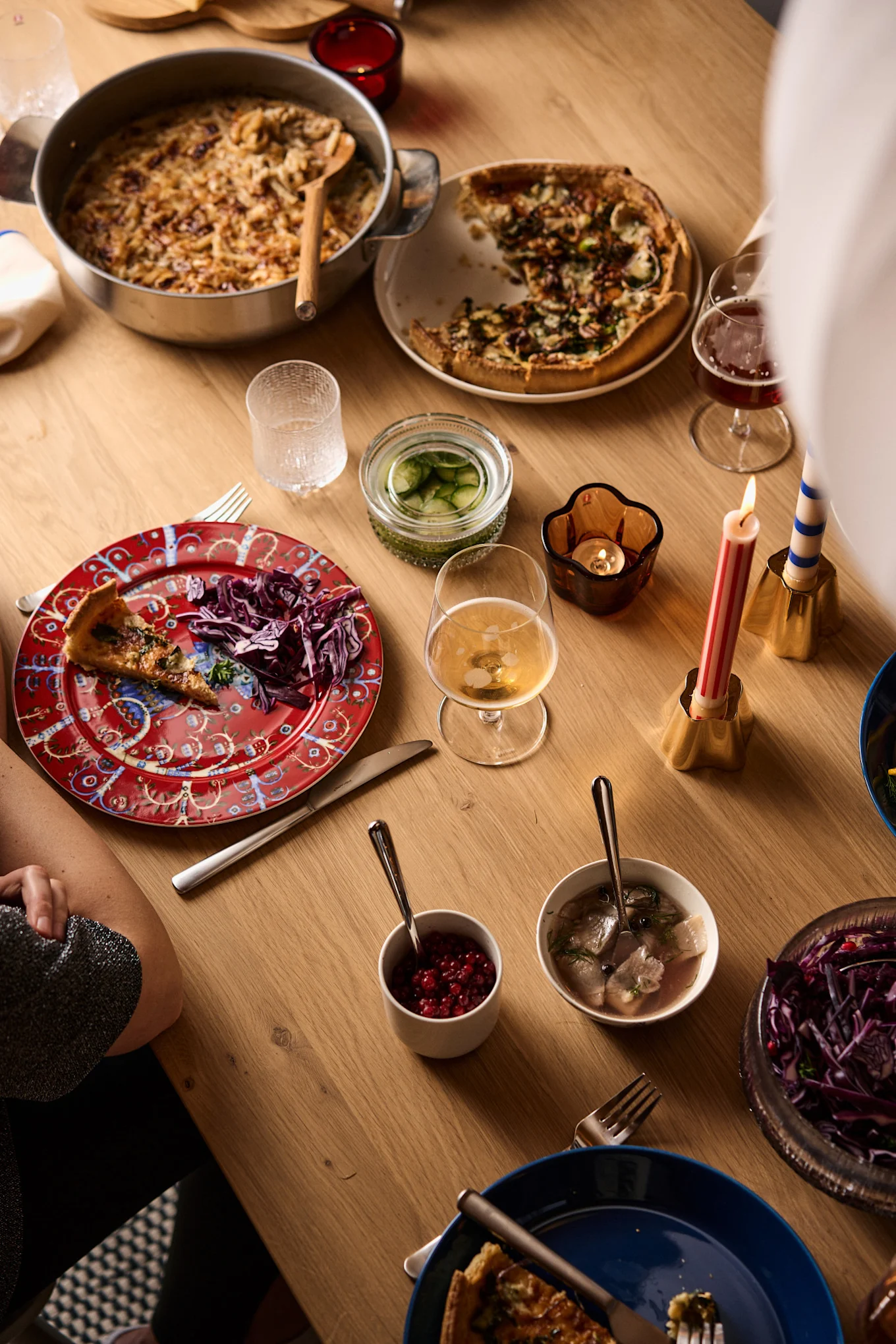
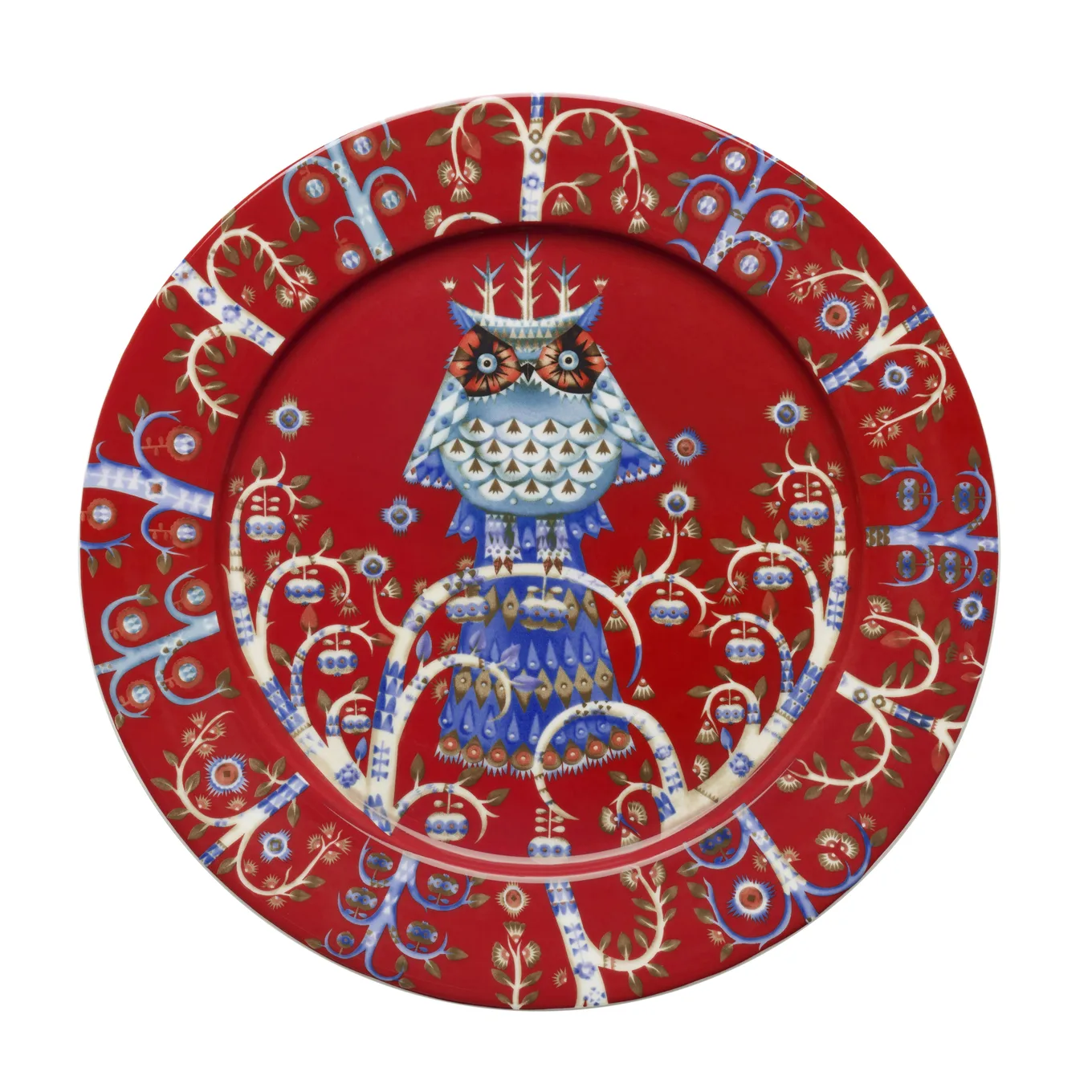
Unlike the much of the English speaking world Christmas is celebrated on Julafton (Christmas eve) in Sweden. The highlight of the day is the Julbord – the traditional Swedish Christmas buffet. The word is composed of Jul (Christmas) and Bord (table) and aptly describes what it is all about: a richly laid table full of Christmas delicacies, including the typical Swedish pickled herring, Christmas ham, cured salmon and potato salad.
In the afternoon of the 24th, the whole country gathers in front of the television to watch the programme ‘Kalle Anka och hans vänner’ (Donald Duck and his friends), a charming Swedish Christmas tradition that has been upheld since the 1960s.
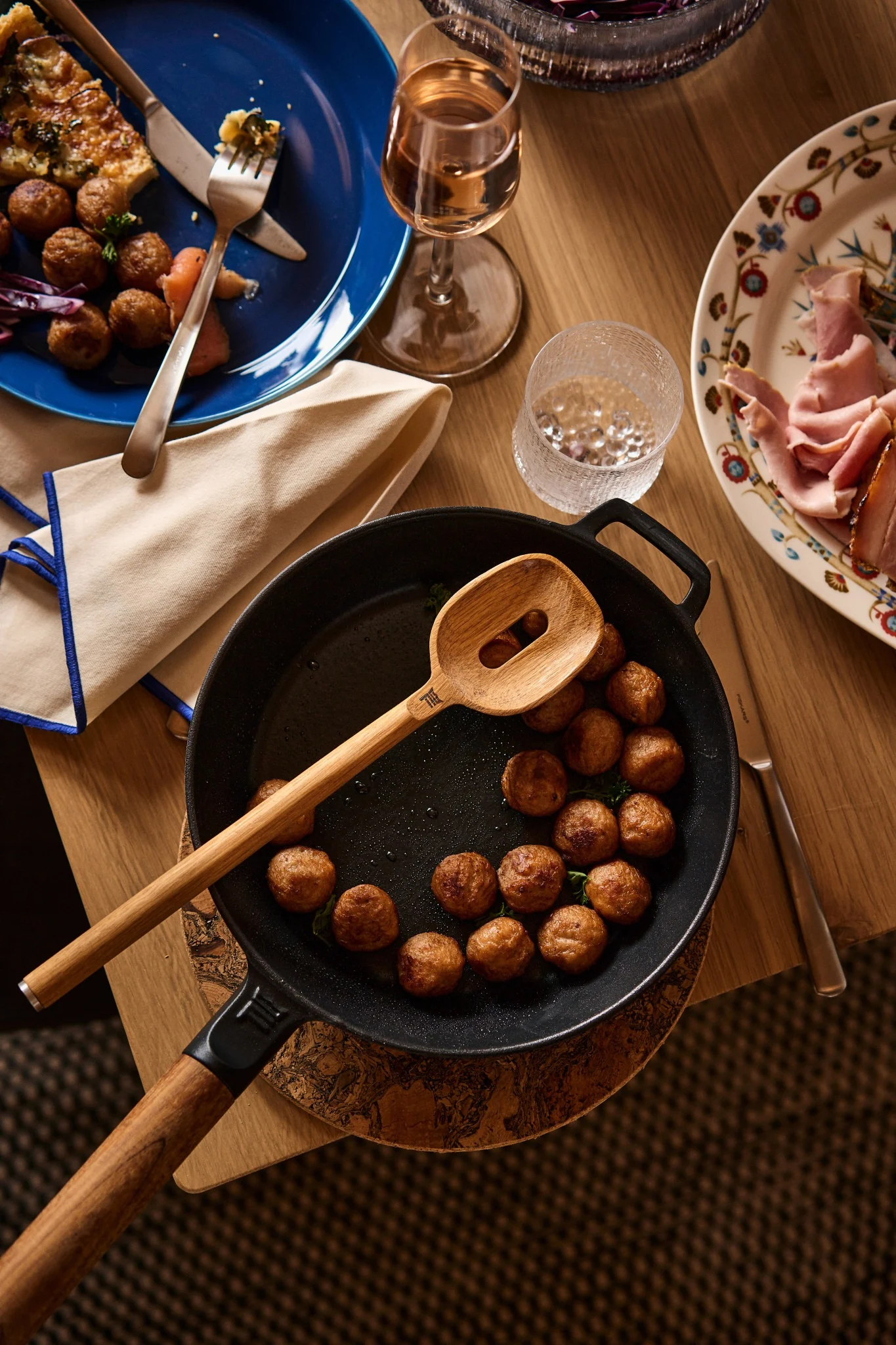
Meatballs are an integral part of any Swedish celebration but especially at Christmas!
A classic Julbord consists of a literal smörgasbord of different dishes:
- Julskinka: juicy Christmas ham, usually with a mustard crust
- Köttbullar: meatballs
- Prinskorv: small sausages
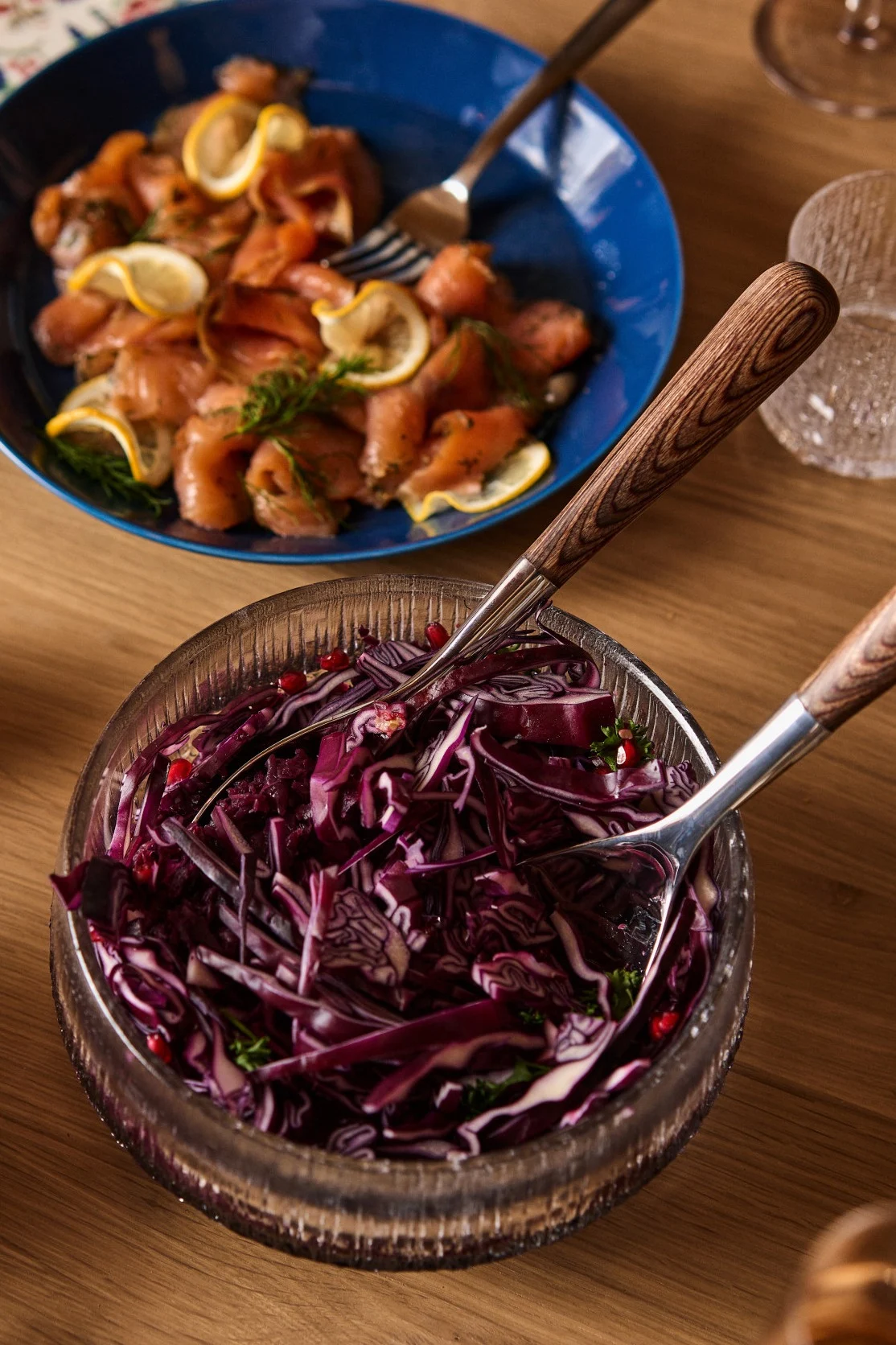
- Gravad Lax: marinated salmon with dill mustard sauce
- Janssons frestelse: creamy potato gratin with anchovies
- Rödbetssallad: beetroot salad
Glögg, gingerbread and Lussekatter are served with the meal. The Julbord is not only about good food, but also about community and tradition, it is the culinary heart of Christmas in Sweden.
Discover the recipes here: Nordic Christmas recipes
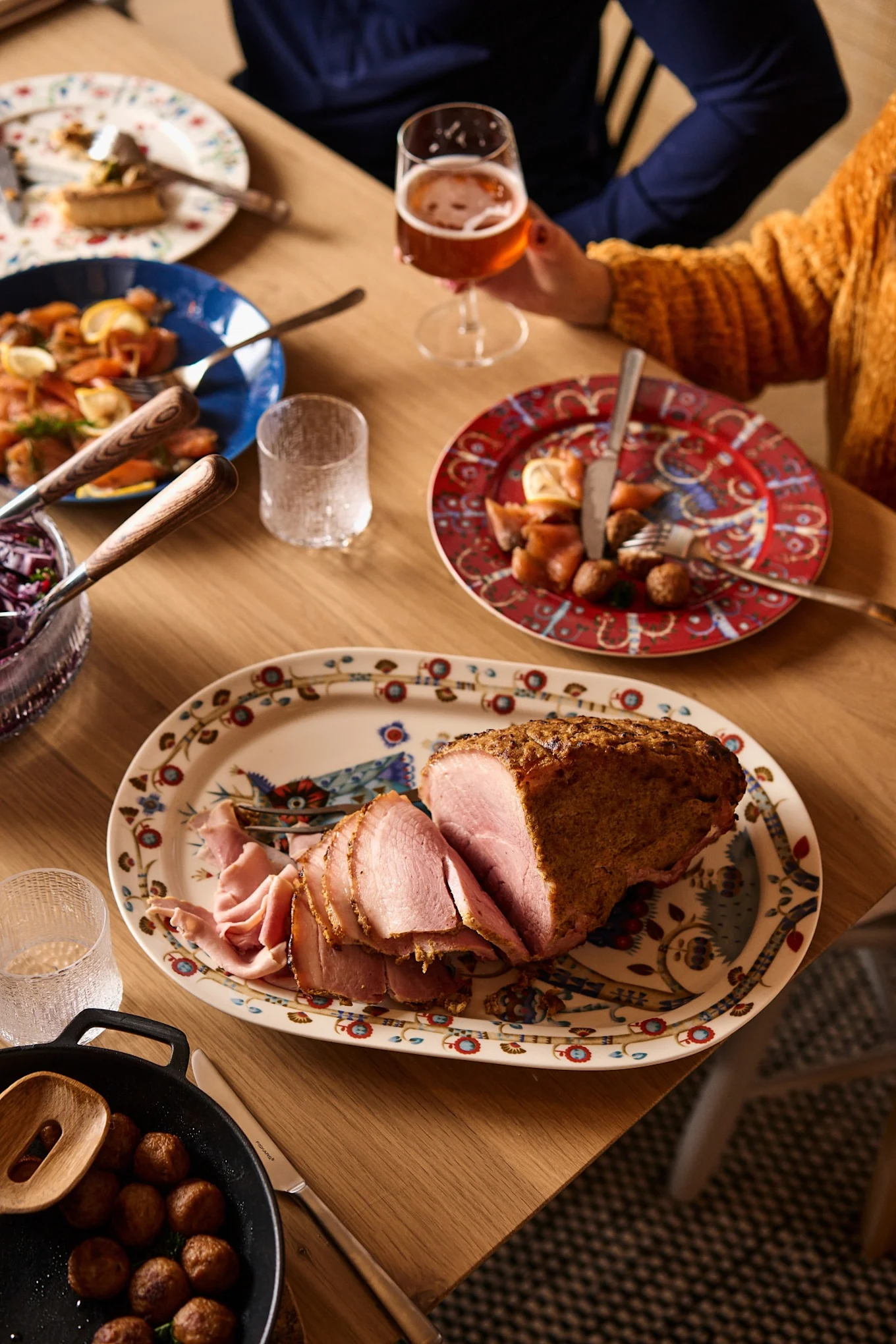
A traditional Christmas ham is a must on any Nordic Christmas table.
8. Gift-giving traditions at the heart of Swedish Christmas
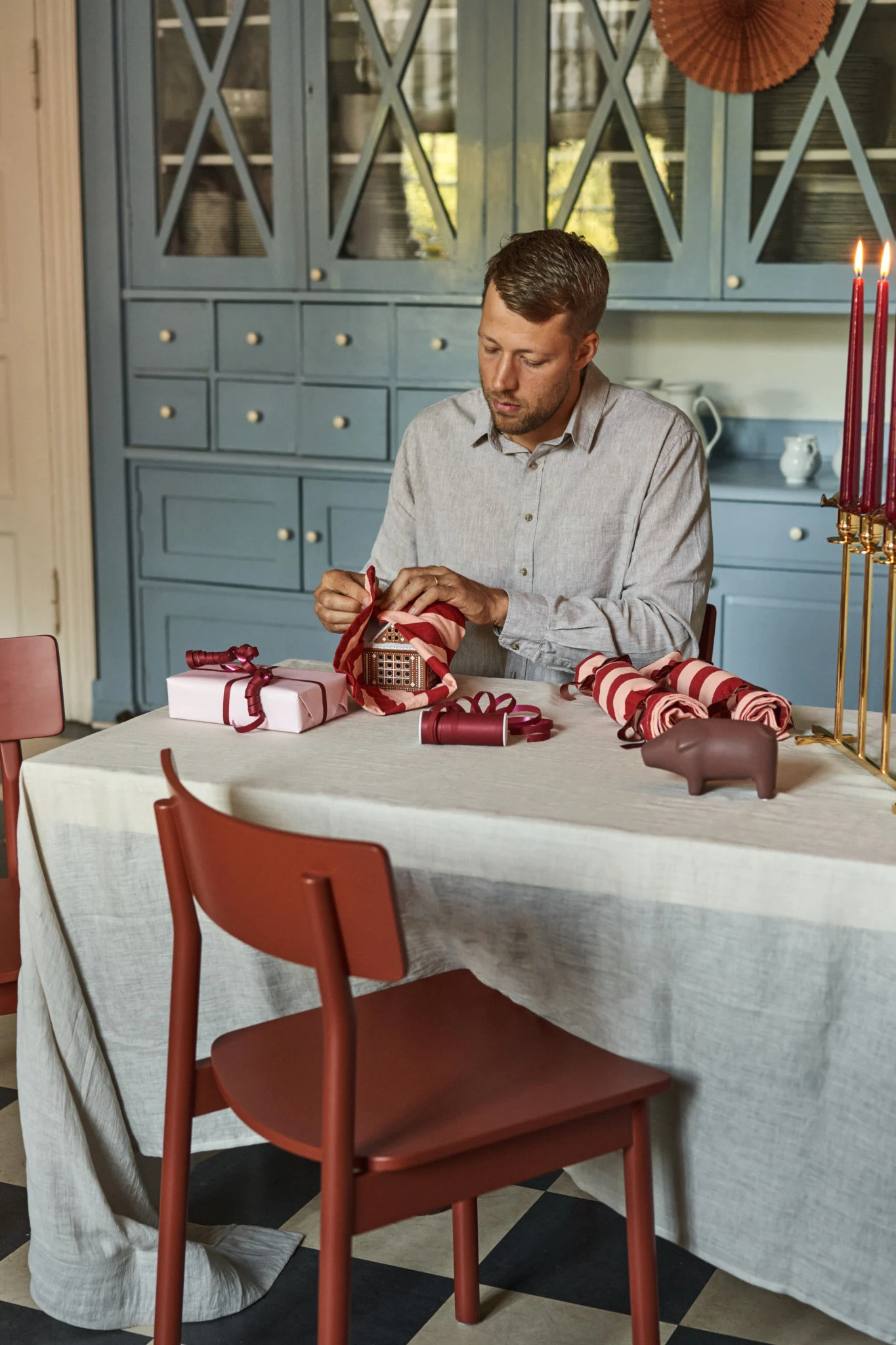
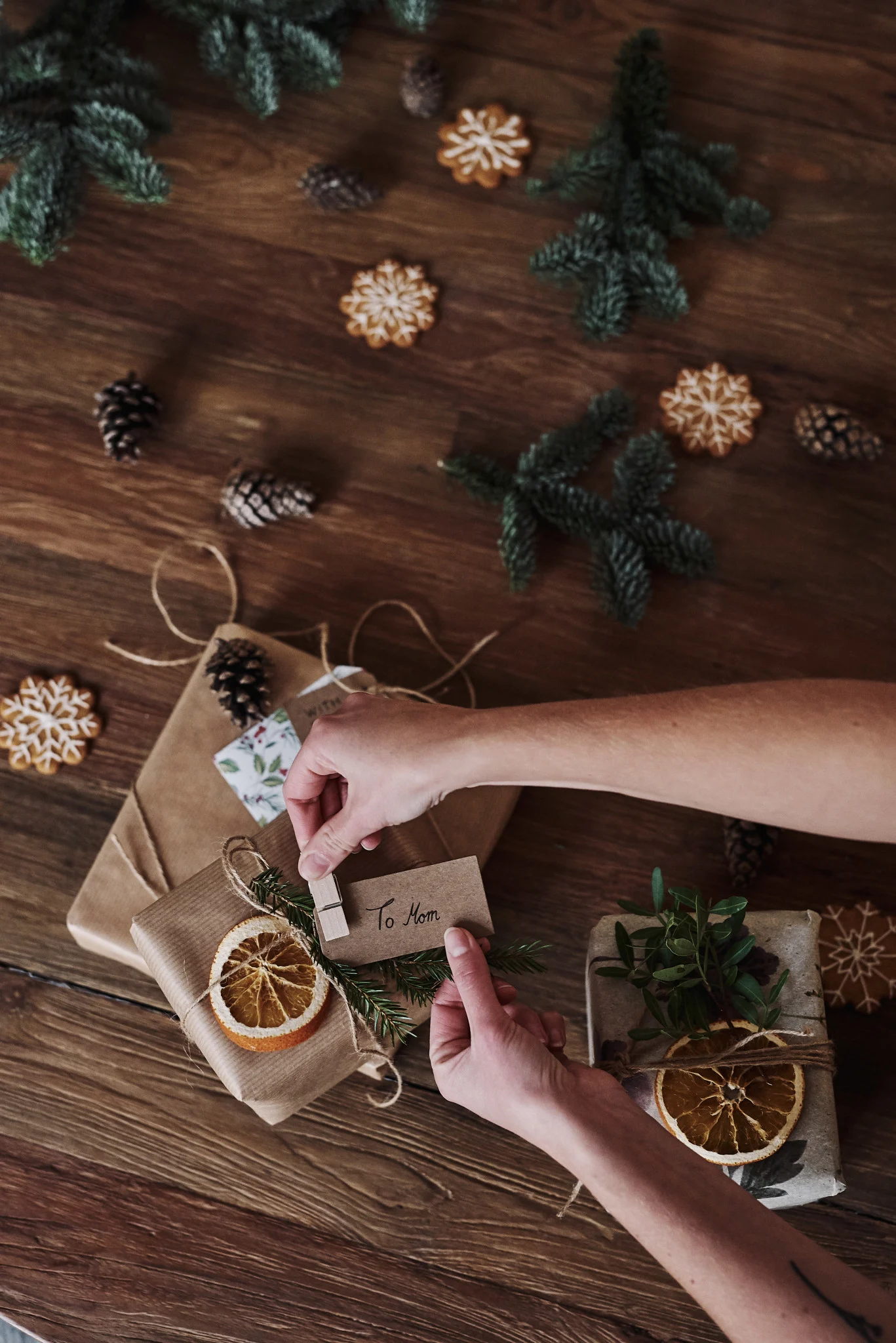
After the festive Julbord, it’s time for one of the most joyful Swedish Christmas traditions: opening gifts, known as Julklapp. The word originally meant “Christmas knocking,” referring to an old custom where people would knock on the door, toss a gift inside, and run away before being discovered. Today, Julklapp simply means “Christmas present,” but the thought behind the tradition remains.
Another beloved part of Christmas in Sweden is the Julklappsspel, a lively and humorous gift-exchange game played during the holidays. Everyone brings a small wrapped present, which is placed in the centre of the table. The first round begins with rolling dice—whoever rolls a six gets to pick a parcel. In the second round, the fun truly begins: players can swap, trade, or “steal” gifts from each other. It’s lighthearted, chaotic and filled with laughter, making it a wonderfully social Christmas activity.
These playful rituals show how Swedish Christmas Traditions blends warmth, tradition, and a good dose of friendly mischief.
Looking for inspiration? Here you’ll find ideas for thoughtful Scandinavian Christmas gift ideas here: Scandinavian Christmas gift ideas
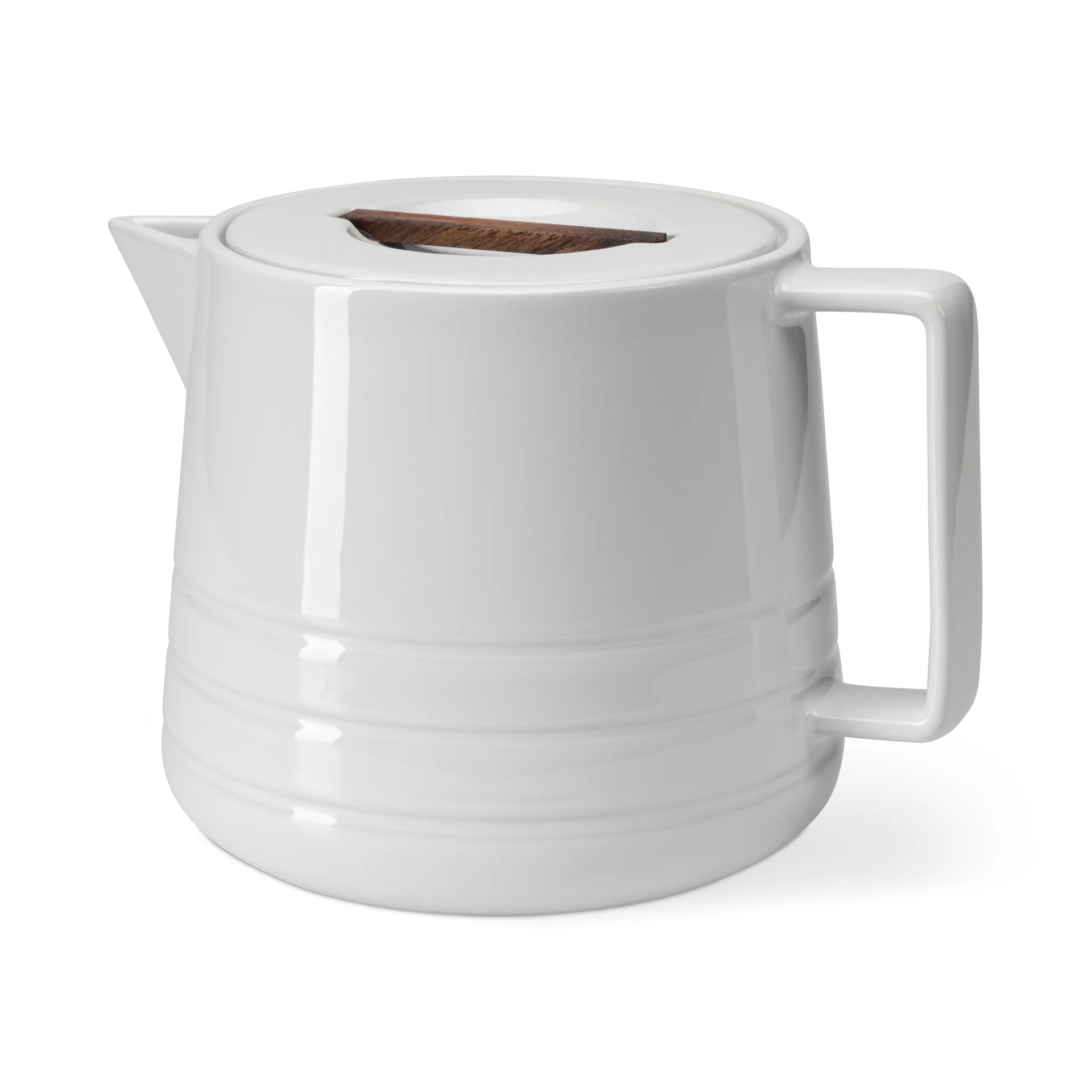
9. Make space relaxation in the days after Christmas
After the festive atmosphere on Christmas Eve, a special calm descends on Sweden. The days between 25 December and New Year's Eve – known as mellandagarna – are a time to take a breather. Many families have time off work, visit relatives or simply enjoy the tranquillity of winter. The pace slows down noticeably and the home becomes a cosy retreat.
It is typical Swedish tradition to spend these days taking long walks in the snow. The light is clear, the air is cool, and the landscape is often bathed in a soft, almost magical winter grey. Afterwards, people make themselves comfortable indoors – with a cup of glögg, a plate full of gingerbread or the last of the lussekatter left over from the Lucia baking.
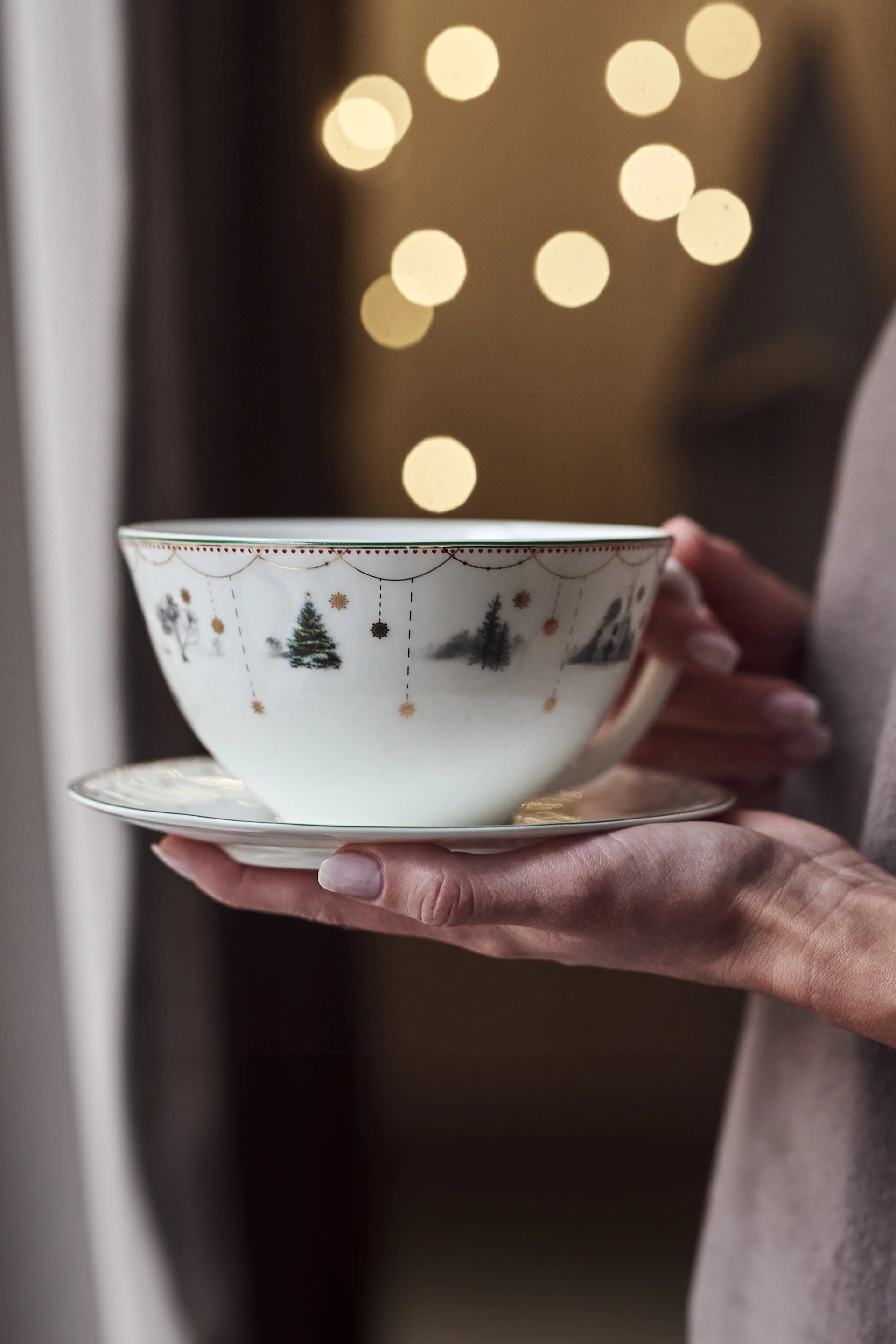
10. Saint Knut’s Day – the official end of the Swedish Christmas season
The Christmas season in Sweden officially ends on 13th January, a day known as Tjugondag Knut, or in English, Saint Knut’s Day. While many countries take down their Christmas trees shortly after New Year’s Day, Swedish homes traditionally keep their decorations up until the middle of January. Saint Knut’s Day marks the moment when everyday life slowly returns and the last traces of Christmas are gently and joyfully put away.
In many families, especially those with children, Saint Knut’s Day is celebrated with a small farewell party. People dance “ut julen”—literally “out with Christmas”—sing familiar carols one last time, and enjoy leftover sweets. This cheerful, playful ritual has deep roots in Swedish winter customs and remains an important part of the season.
One important clarification: the popular image of throwing the Christmas tree out the window on Saint Knut’s Day does not come from a Swedish Christmas tradition. It was invented as a humorous advertising campaign. In reality, the tree is taken down and disposed of normally—though the expression “throwing the tree out” has become widely used in everyday language.
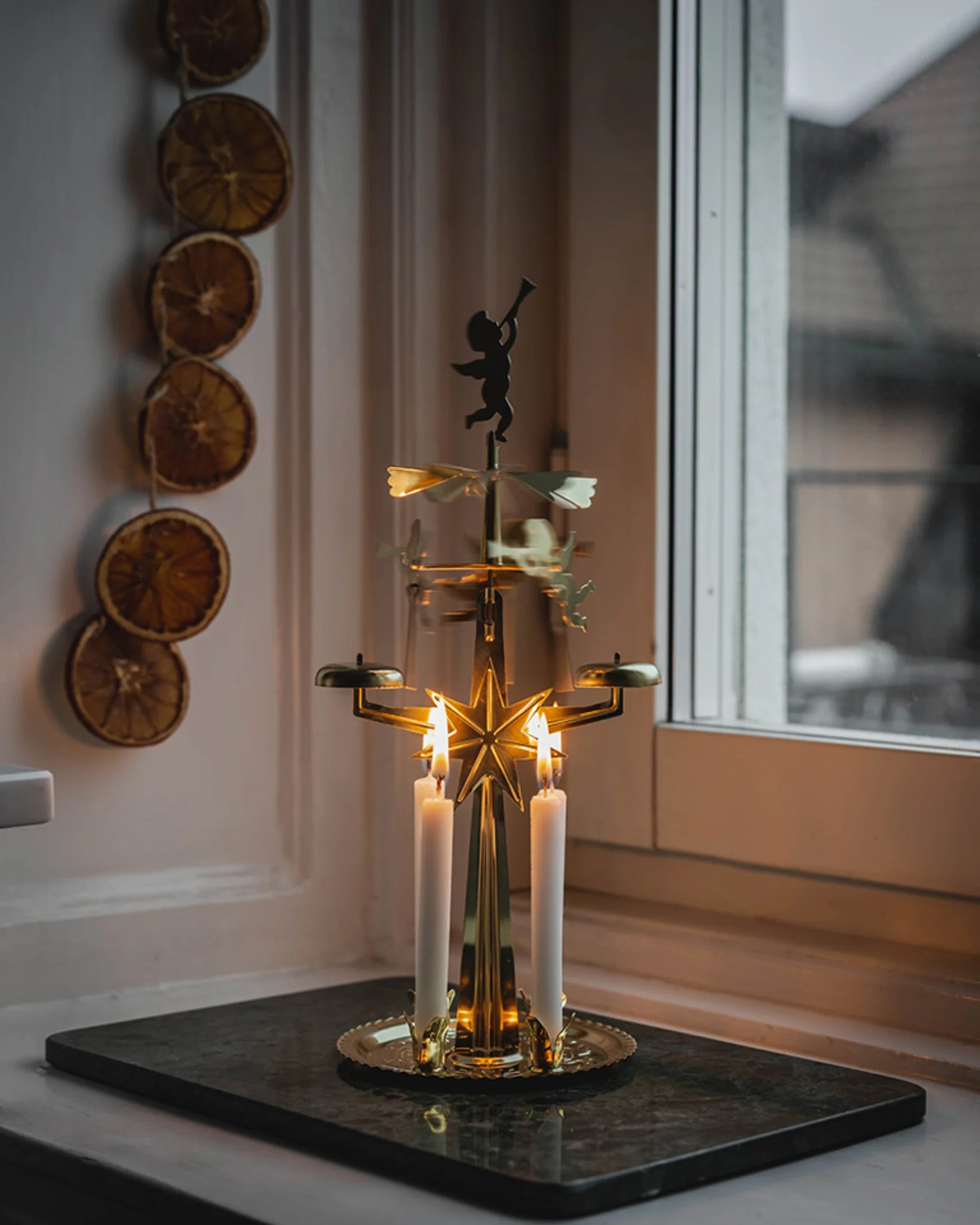
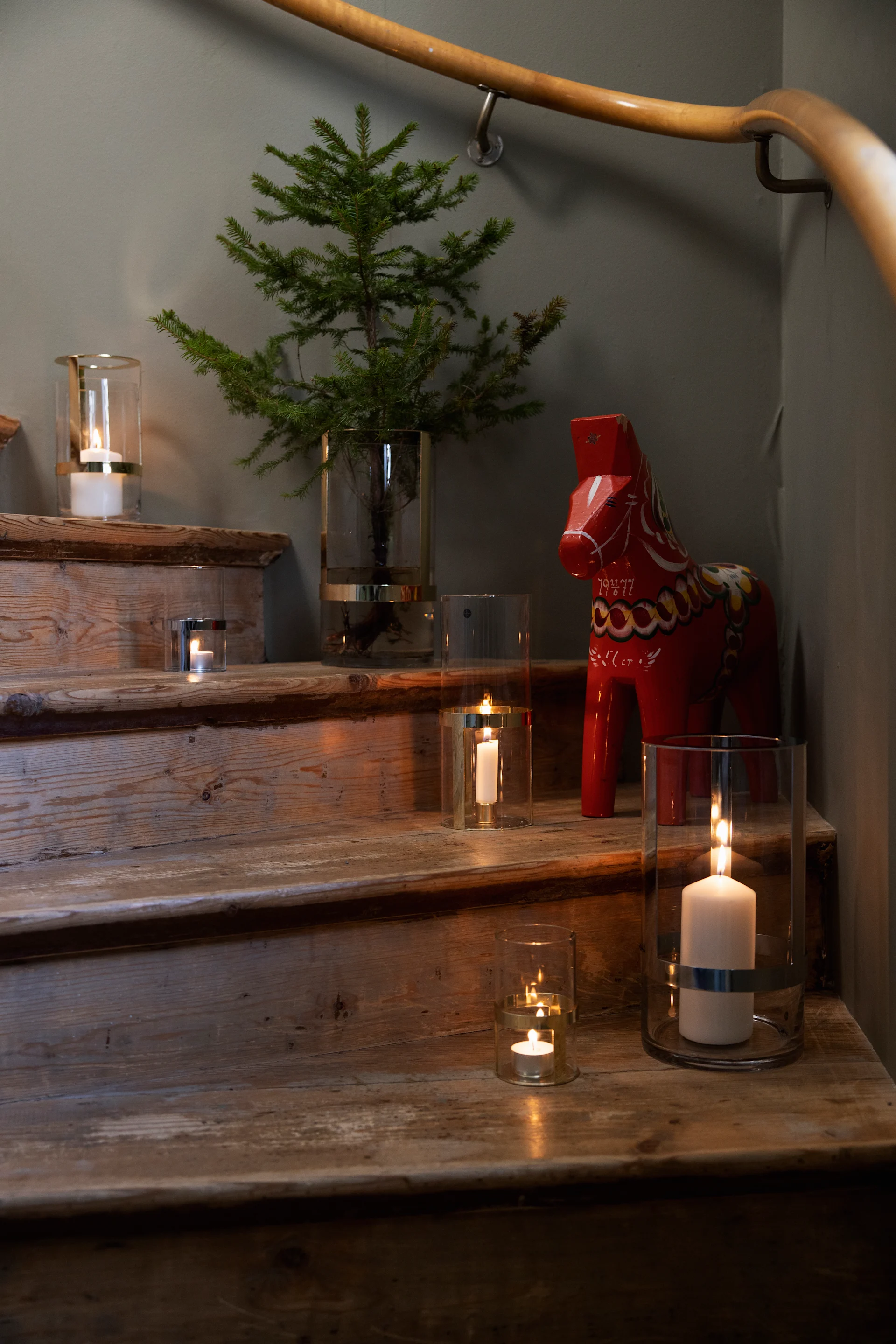
A celebration of Swedish Christmas traditions
Christmas in Sweden is more than a holiday – it is a celebration deeply rooted in Swedish Christmas traditions. It brings light to the darkest time of the year and highlights the importance of community, warmth, and small rituals that make the long Nordic winter feel magical. From the first candlelit Advent Sunday to Lucia morning and the gentle glow of mellandagarna (the days between Christmas and New Year), these traditions create an atmosphere that touches the soul and opens the heart. Every family celebrates in its own way, yet all share the same sense of closeness, joy, and comfort that defines Swedish Christmas traditions.
Explore more Swedish Christmas inspiration here:
- A Swedish Christmas tale
- Christmas cocktail recipes
- Scandinavian Christmas table setting ideas
- Place settings to inspire your Christmas table setting
- Decorate with Christmas tree branches
Photos: Elof Martinsson, Sagaform, @hannesmaritzson, Almedahls, Ernst
Everything you need for a Swedish Christmas
Customer Service
Selection
Inspiration