FREE SHIPPING FOR ORDERS OVER $199
60 DAYS RETURN POLICY
5% OFF FOR NEWSLETTER-SIGN UP
Alvar Aalto - Functional design from Finland’s most iconic designer
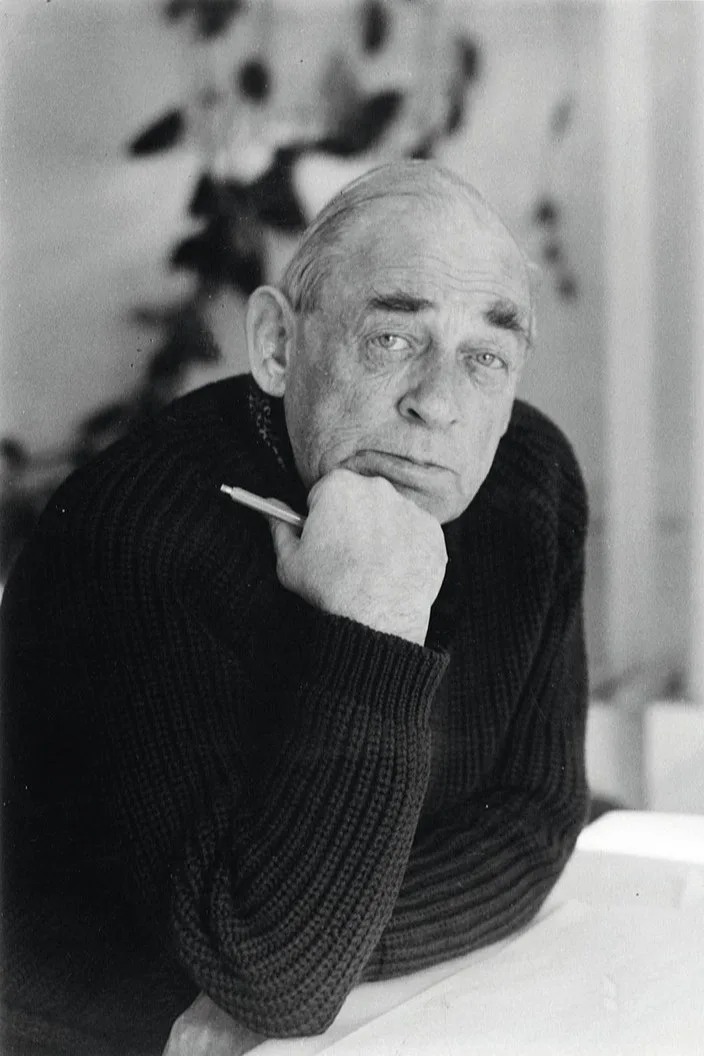
Alvar Aalto
Alvar's early years
Born in 1898 in the small village of Kuortane in western Finland, Hugo Alvar Henrik Aalto was the eldest of four children. His parents were well educated and when Alvar turned 5 the family moved to the larger town of Jyväskylä where Alvar was able to attend the local Grammar school. He graduated in the spring of 1916 and having already set his sights on becoming an architect he moved to Helskini to study architecture.
His early years were not without struggle. Finland became independent from Russia in 1917 throwing the country into a civil war. Aalto, himself, took part in the fighting but soon returned to his studies, finally graduating in 1921.
He started his career as an architect almost immediately and after returning to Jyväskylä he quickly found himself inundated with work and began carving a name for himself within the design world.
Alvar Aalto’s early architectural career focused on Nordic Classicism, but it was during his Functionalist phase where he really made his international breakthrough. Aalto’s ability to place the user front and centre, prizing usability and functionality above all else, made him a lasting presence in the worlds of both design and architecture.

Pioneering Scandinavian design
Many of Aalto’s greatest and best-known works were public buildings and his company was commissioned to design buildings all over the world. In the design world, however, Aalto is better known for his work on a smaller scale, in the form of furniture and of course the world-famous Aalto vase.
Alvar Aalto is commonly considered one of the pillars of Scandinavian design. His approach to design was organic, shaping his furniture after the human form but above all he valued functionality.
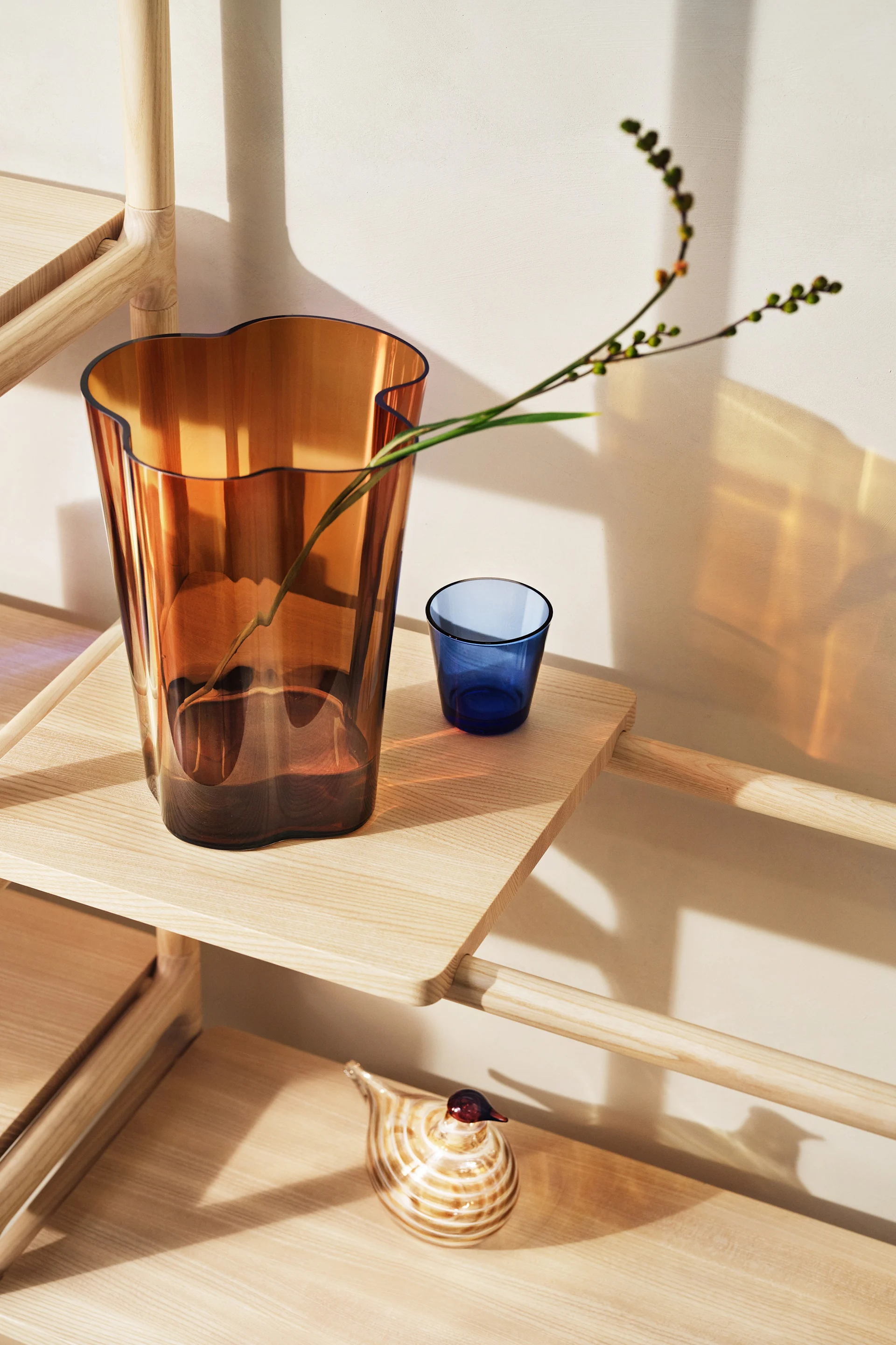
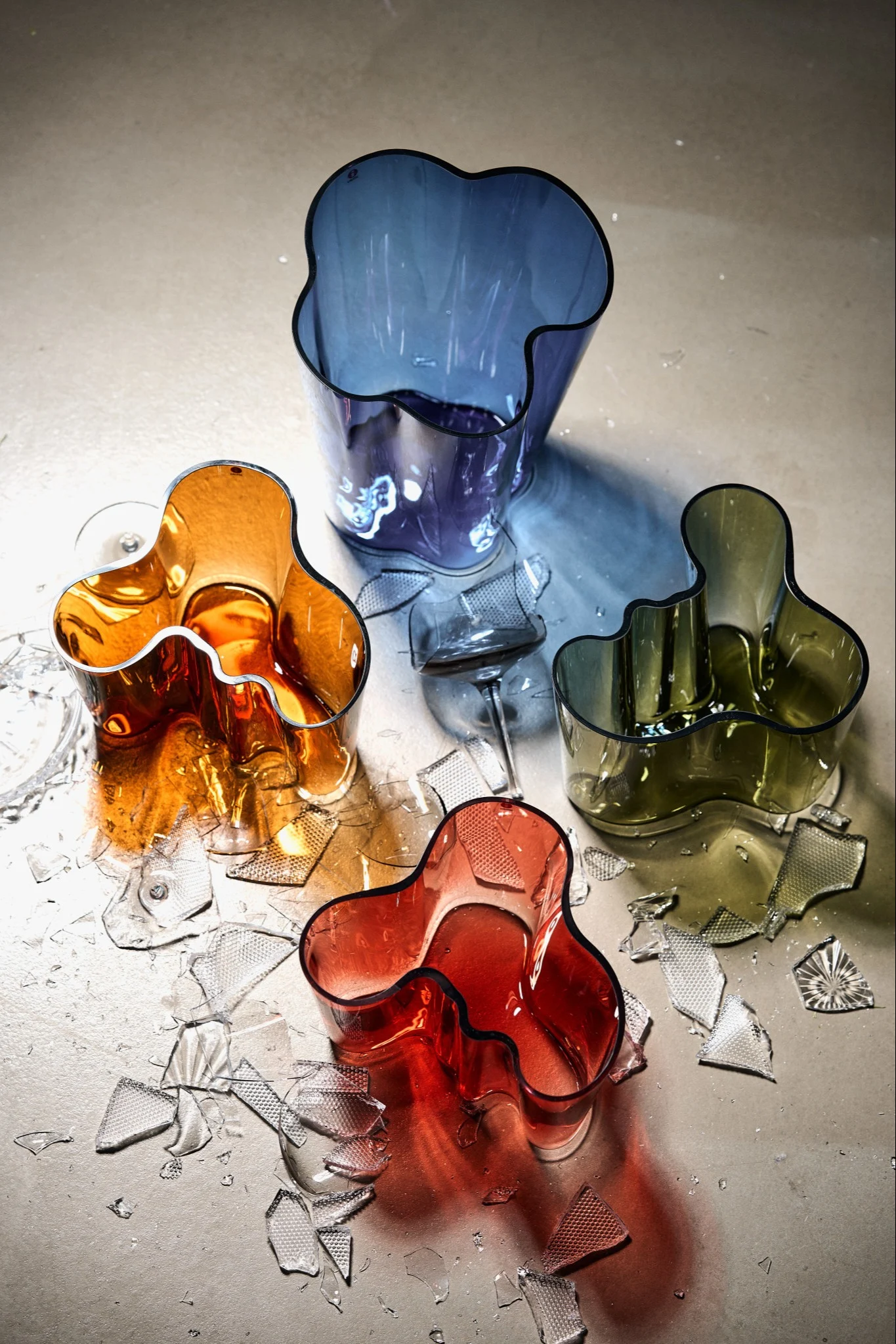
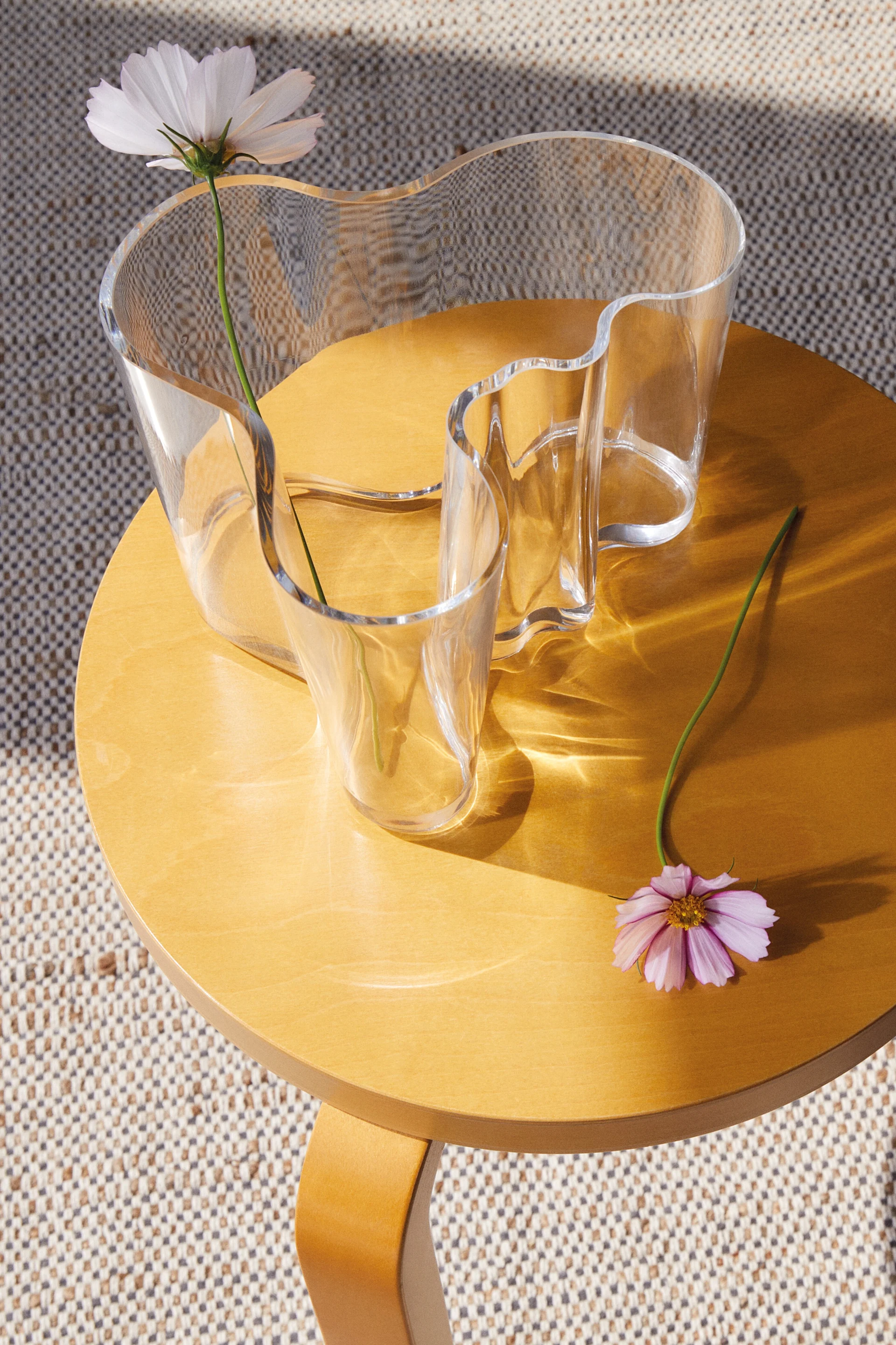
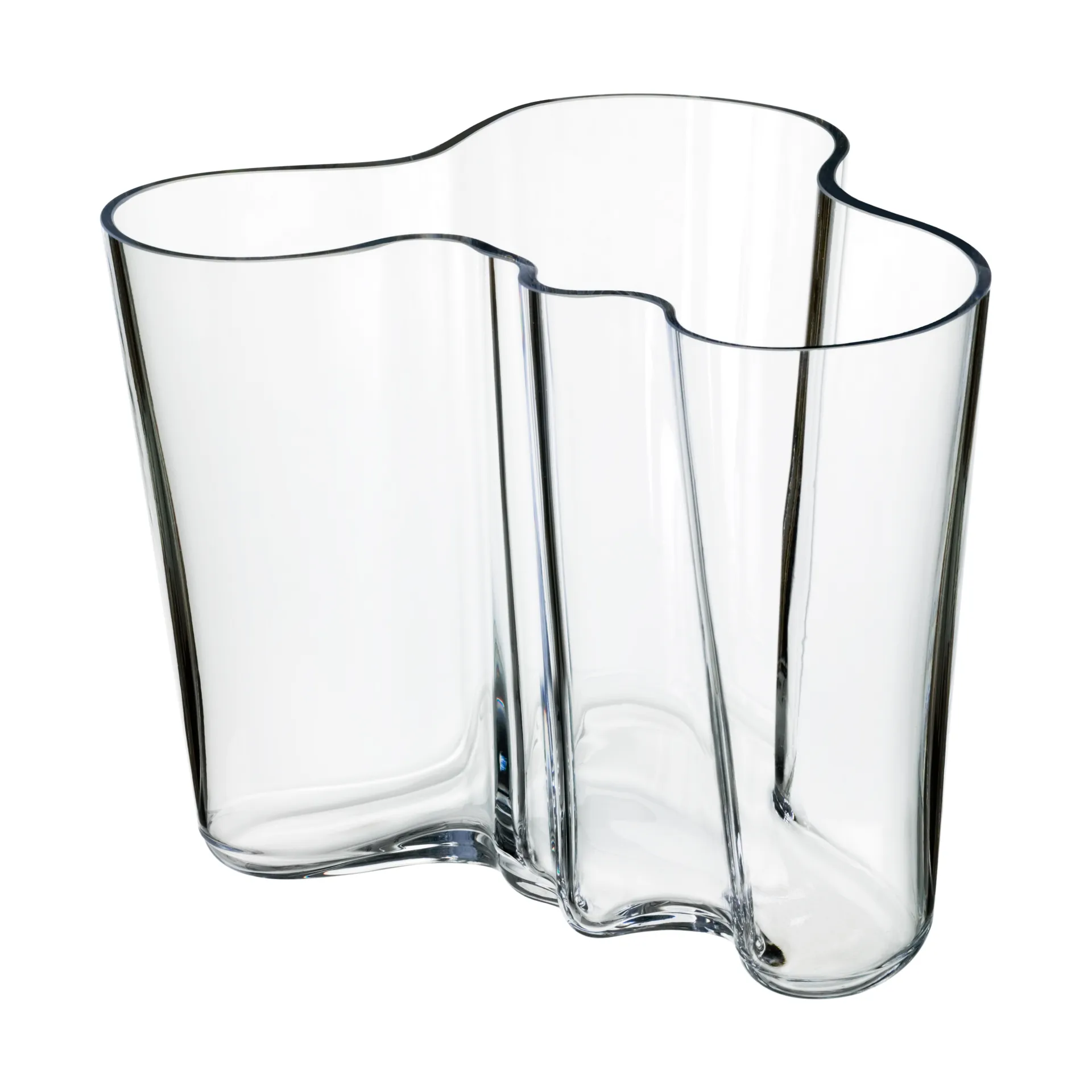
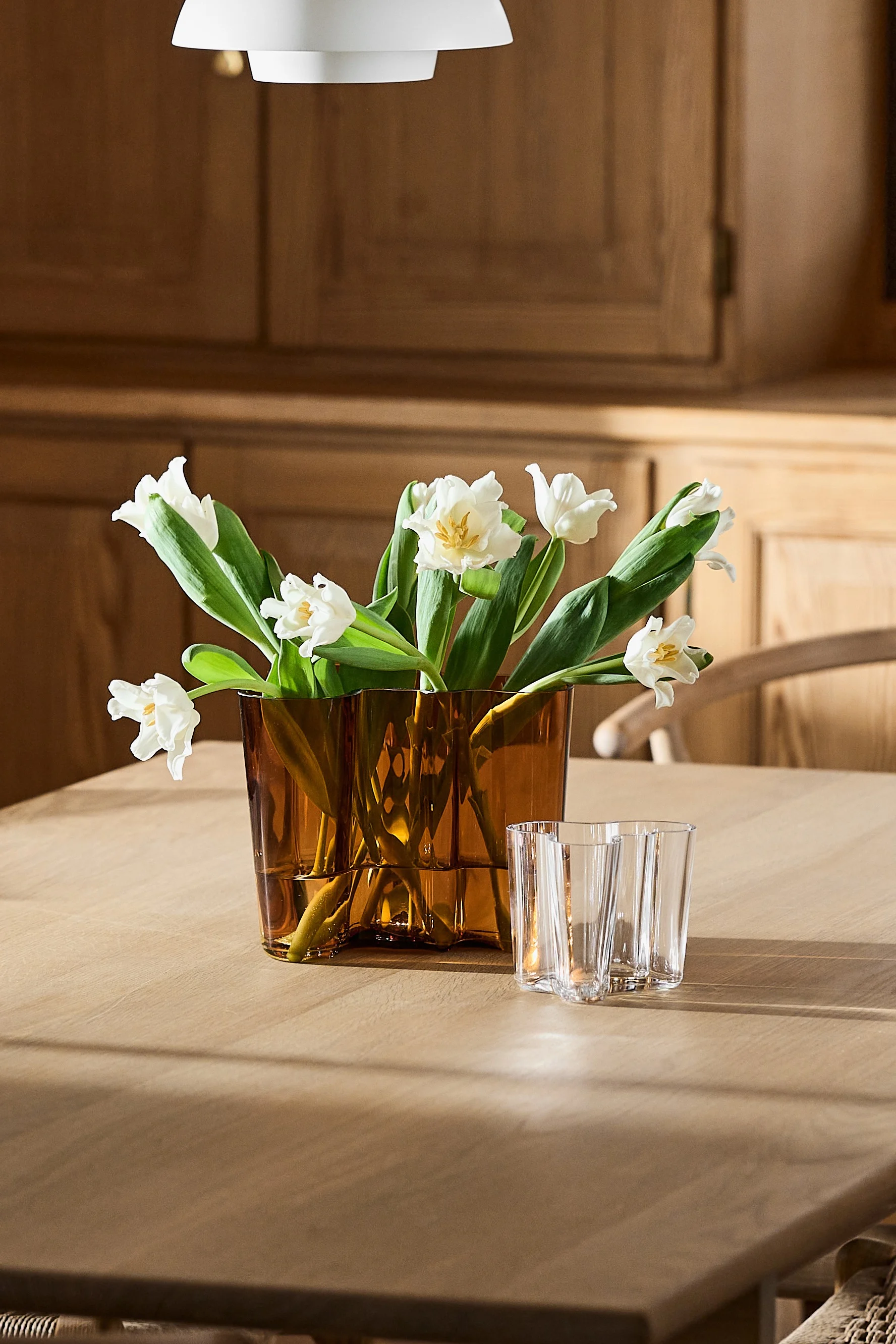
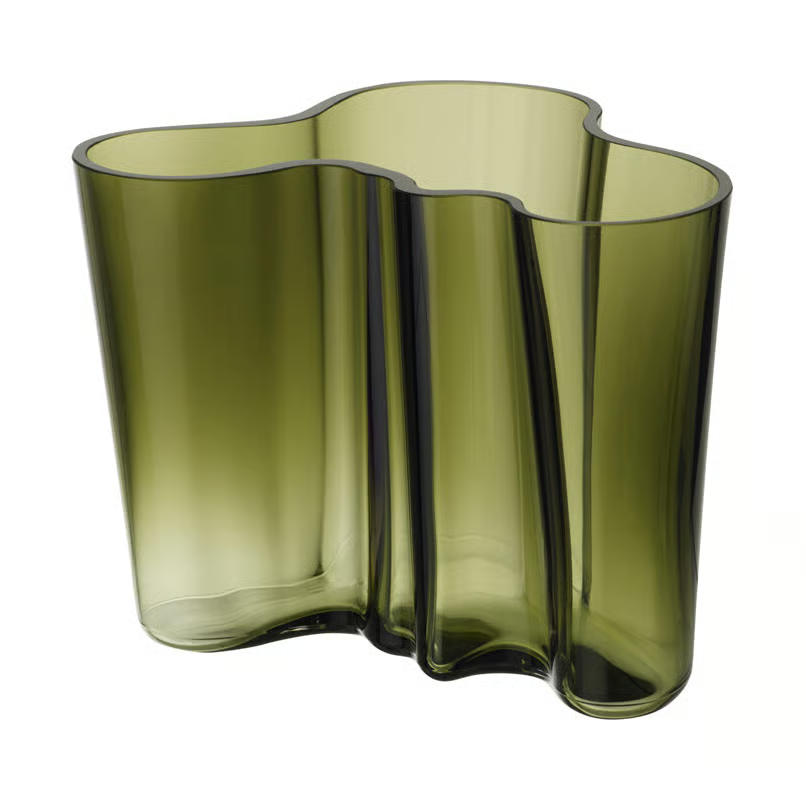
The Alvar Aalto vase has become iconic in the world of Scandinavian design.
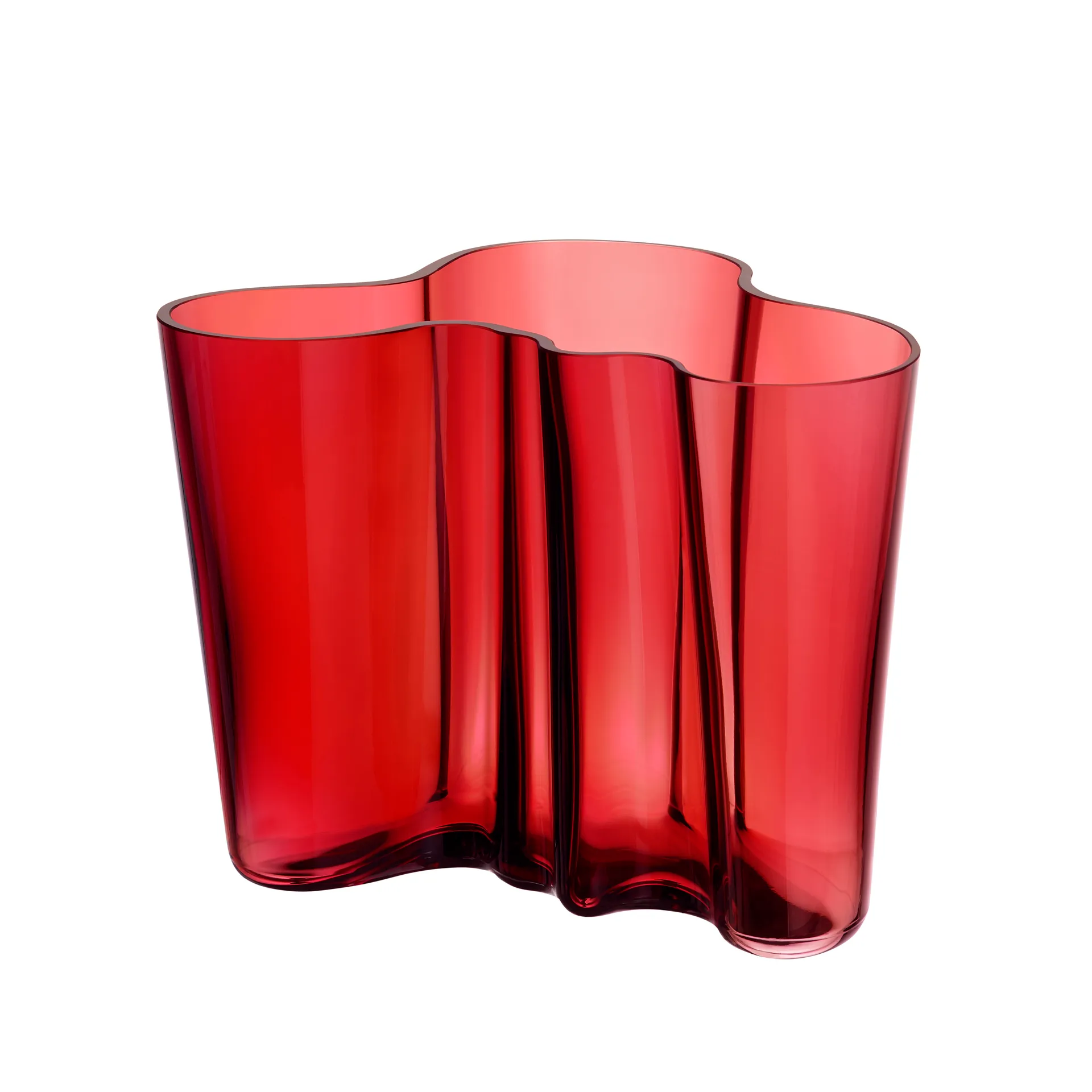
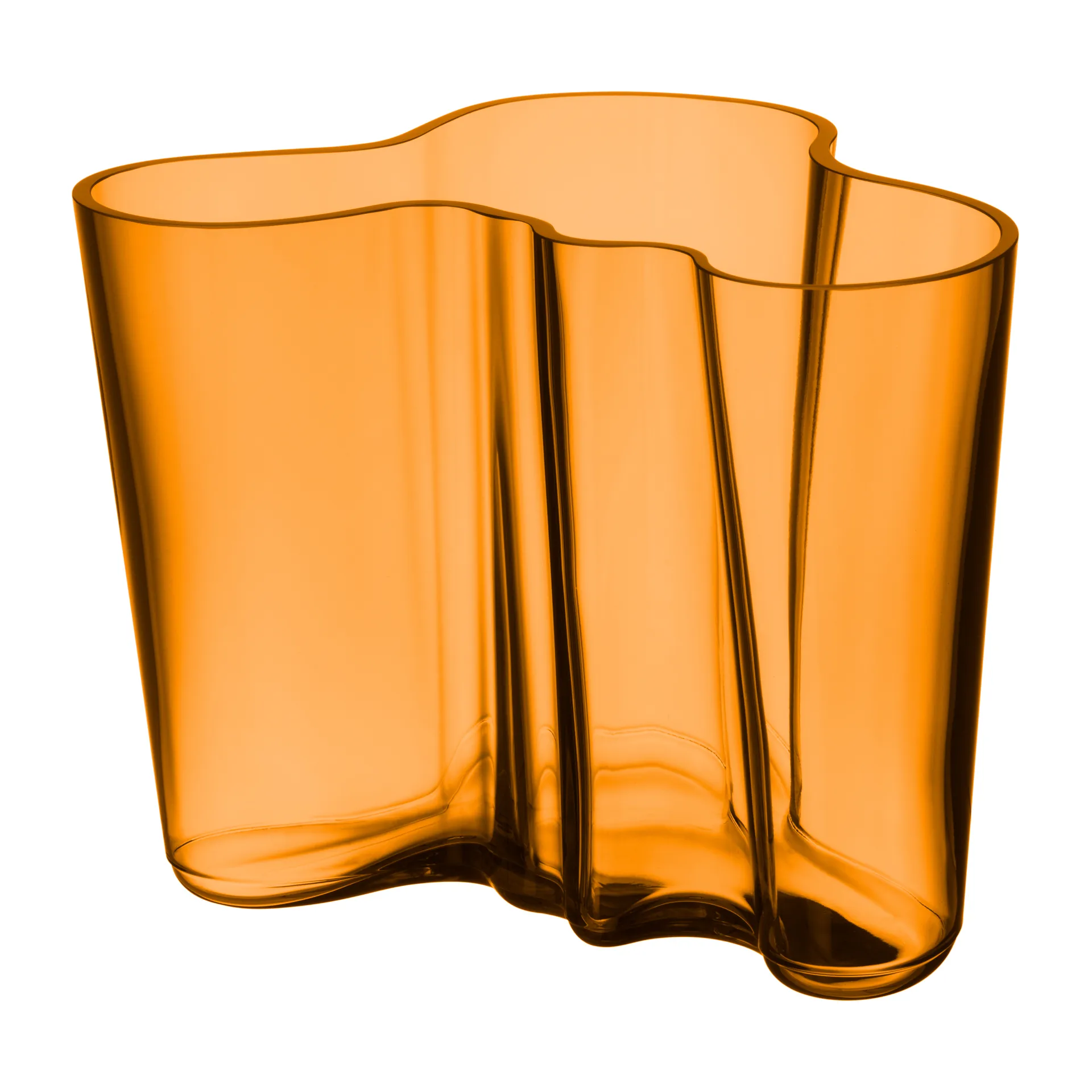
Aalto is often regarded as the founding father of organic design. His collections have greatly influenced the postwar era of Scandinavian design.
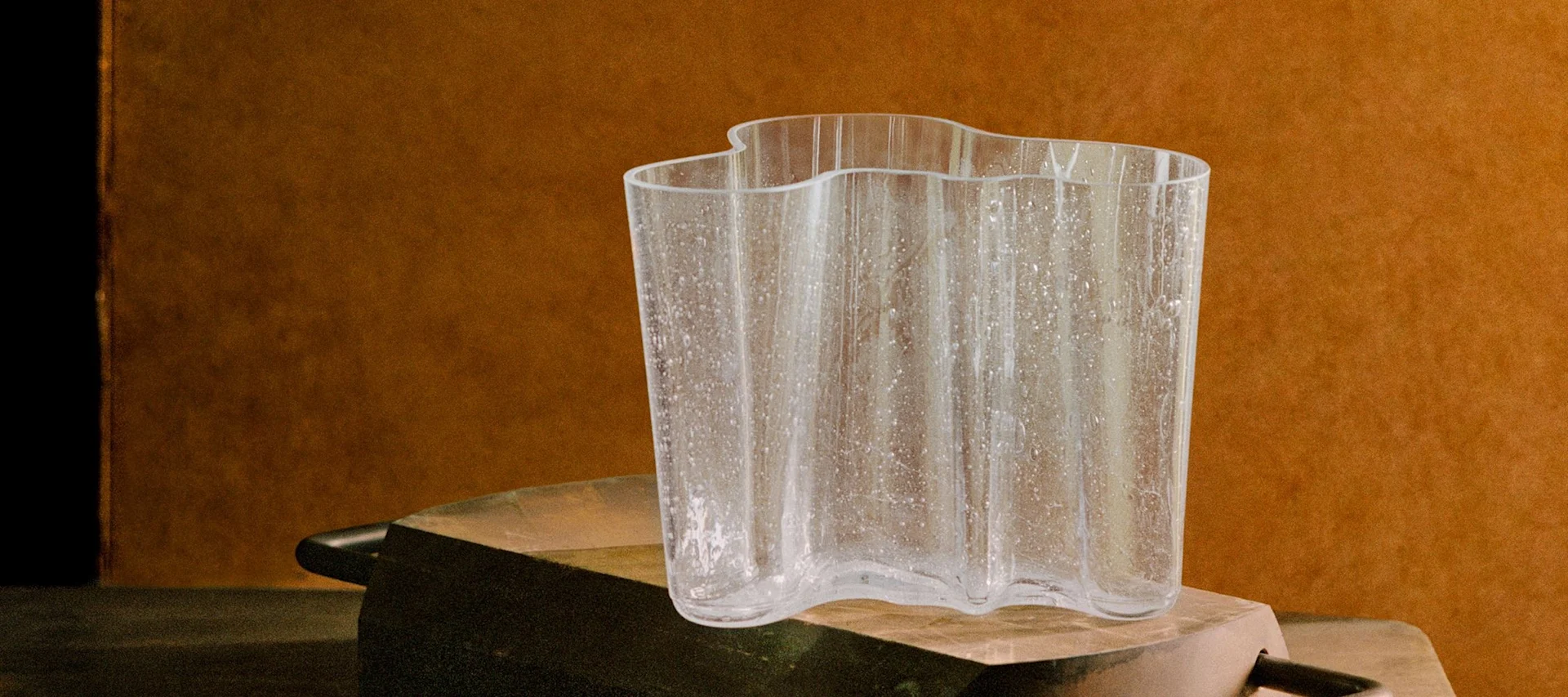
Aalto celebrates 90 years with an anniversary vase
One of Alvar Aalto’s most defining principles was his holistic approach to design. For him, every building was a work of art, where architecture, interiors, furniture, and details all worked in seamless harmony. This same philosophy extended to his objects, most famously the Aalto vase.
Originally designed for the Savoy restaurant, the vase was first known as the Savoy vase. Aalto himself saw it as more than a functional object, he considered it a sculptural piece with endless possible uses. When the original sketches were first presented, they drew immediate attention, and by the time the design was shown at the 1937 World’s Fair in Paris, a modern classic had been born.
Now, 90 years after its creation, the iconic design is being celebrated with a special anniversary edition of the Aalto vase in bubble glass. A tribute to a timeless piece that continues to feel both relevant and beloved today.
See more from the anniversary collection here.
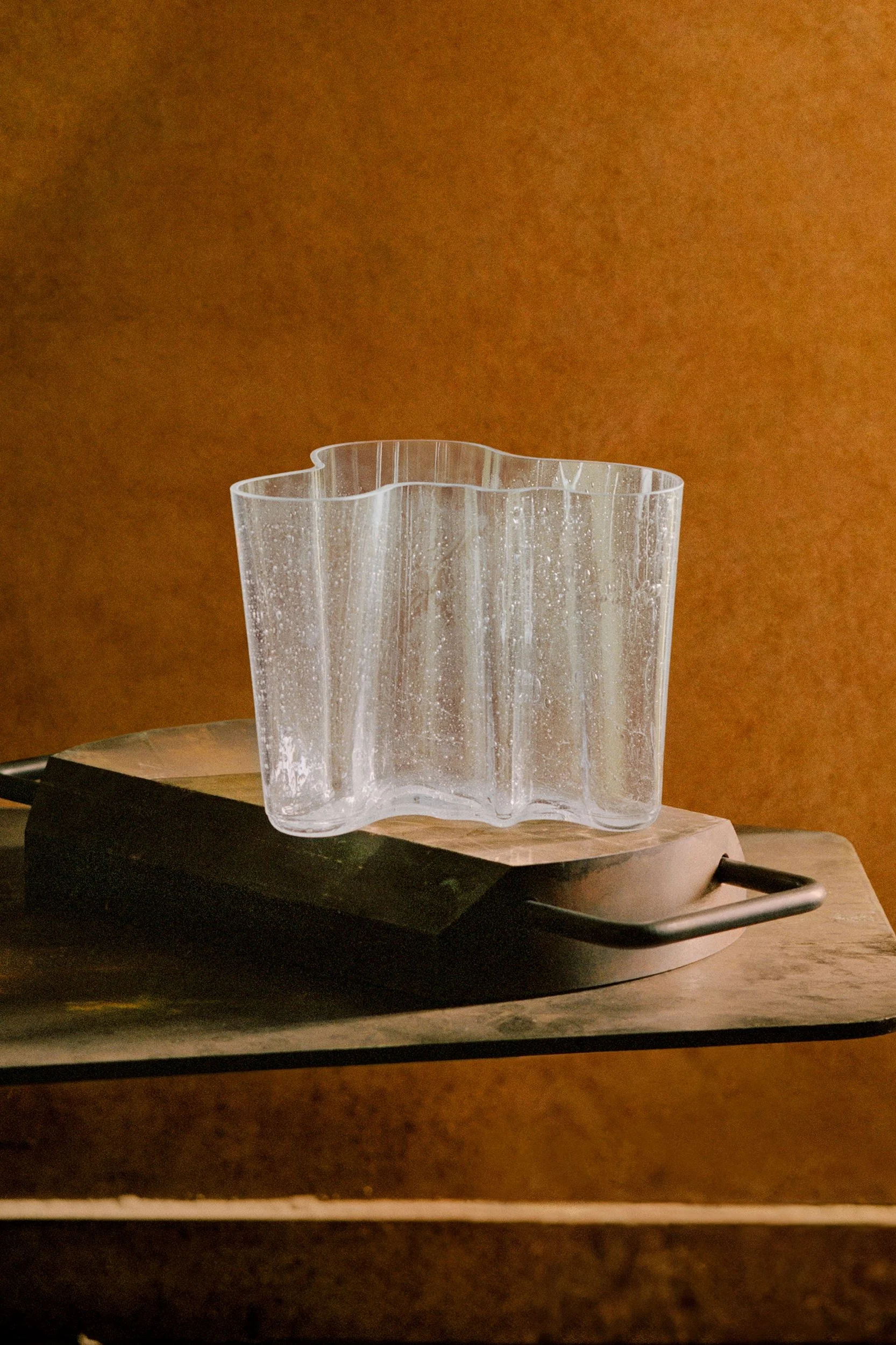
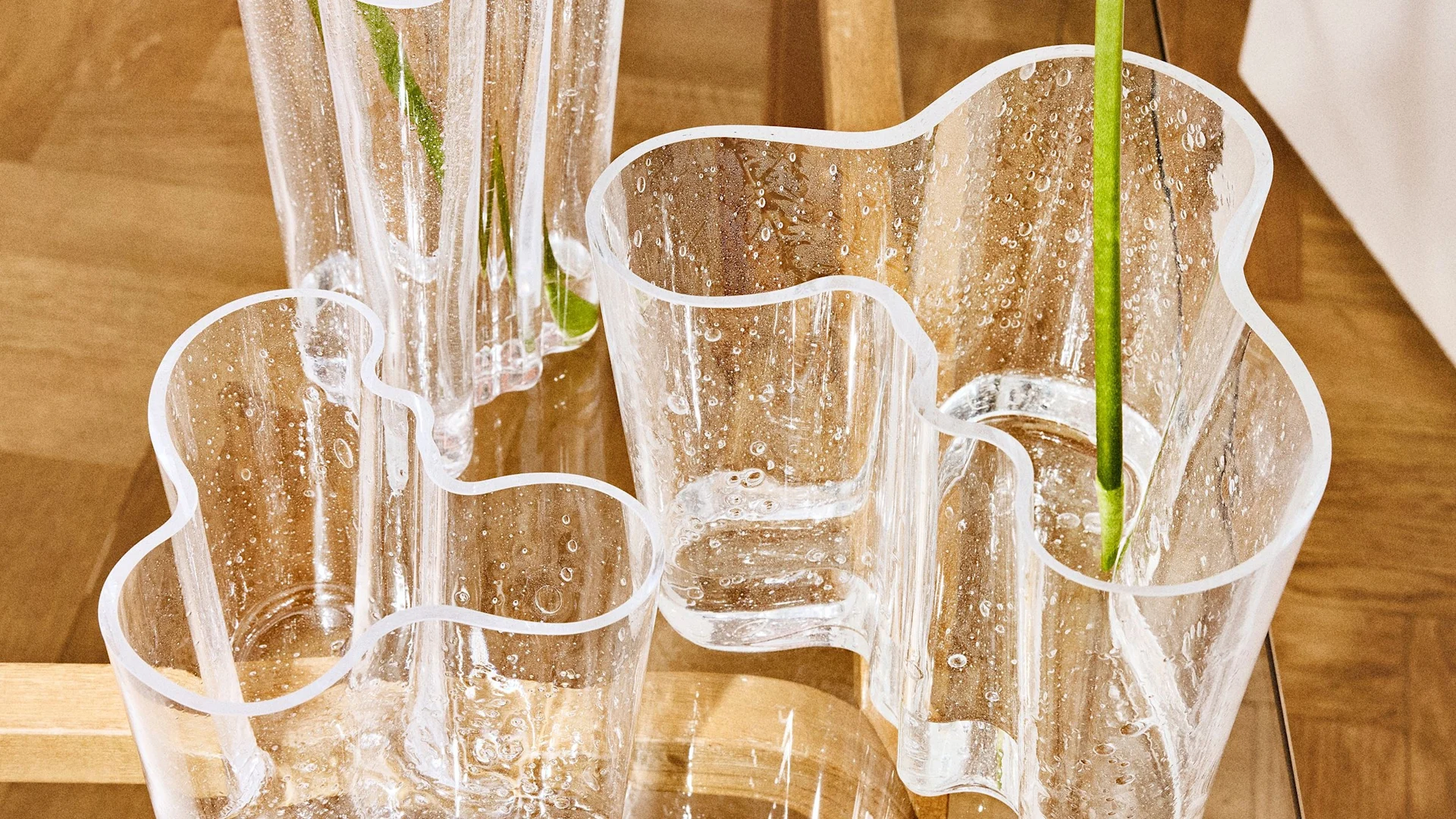
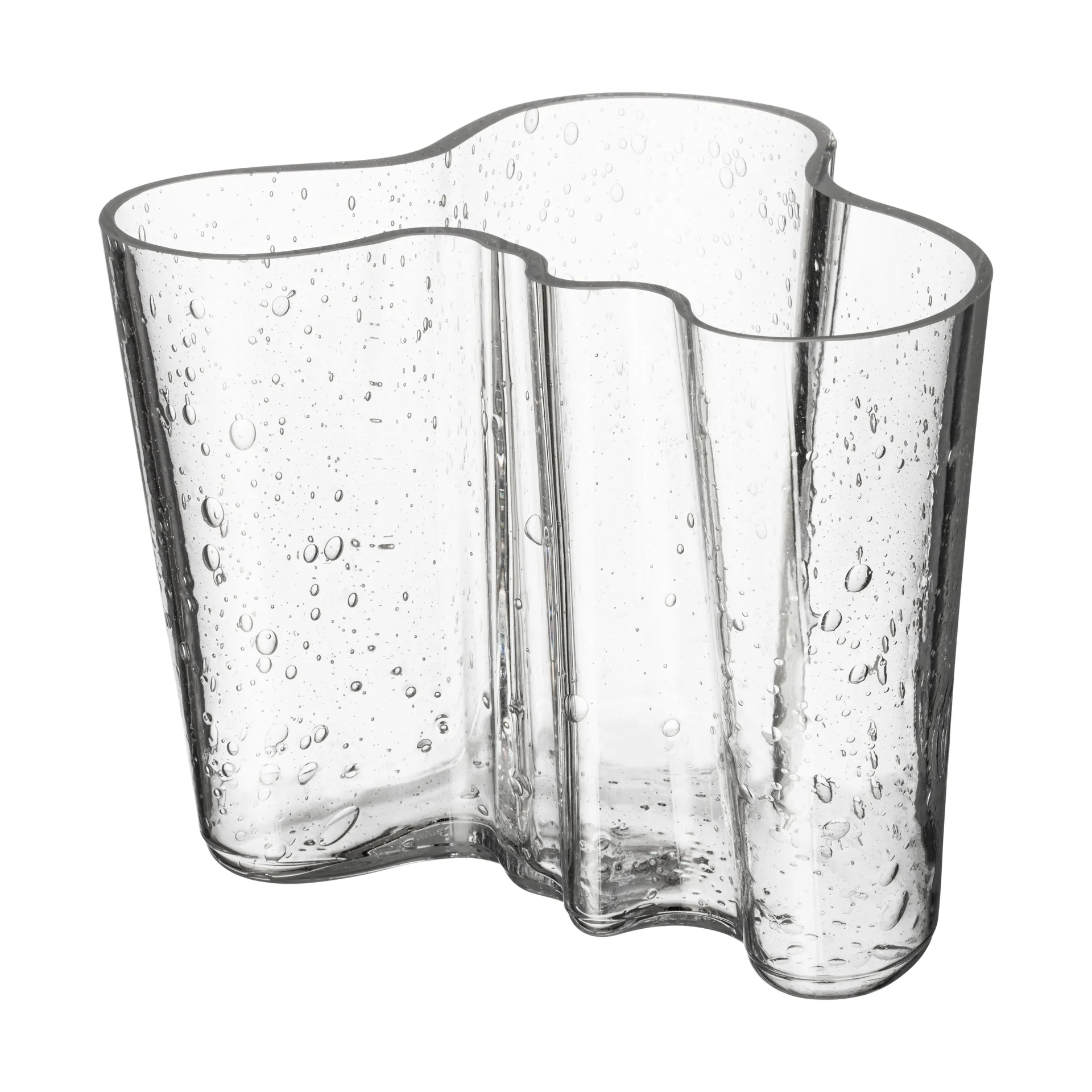
The undulating lines have led some to speculate that the vase was inspired by the lakes that decorate Finland’s wild landscape however the original sketch was named “The Eskimo Woman’s Leather Breeches” has led others to suggest that a garment of clothing might be the real inspiration.
Whatever lays behind the waving, meandering forms of the Aalto collection, it continues to capture the eyes and hearts of Scandinavian design lovers all over the world. This sculpted piece of glass is an engineering feat all its own. Even today seven Iittala craftsmen, 12 different processes and over 30 hours of work are required to produce a single vase.
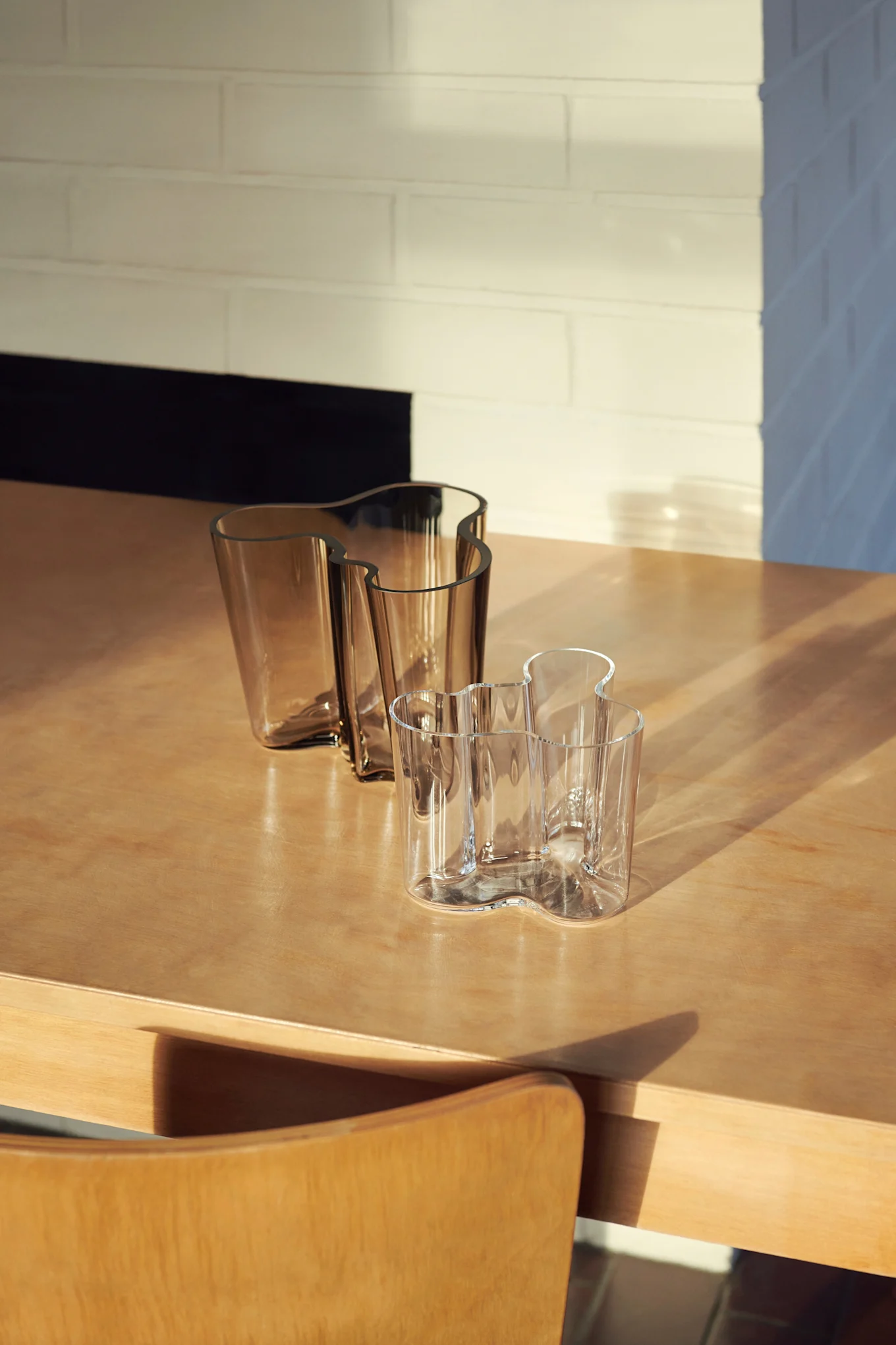
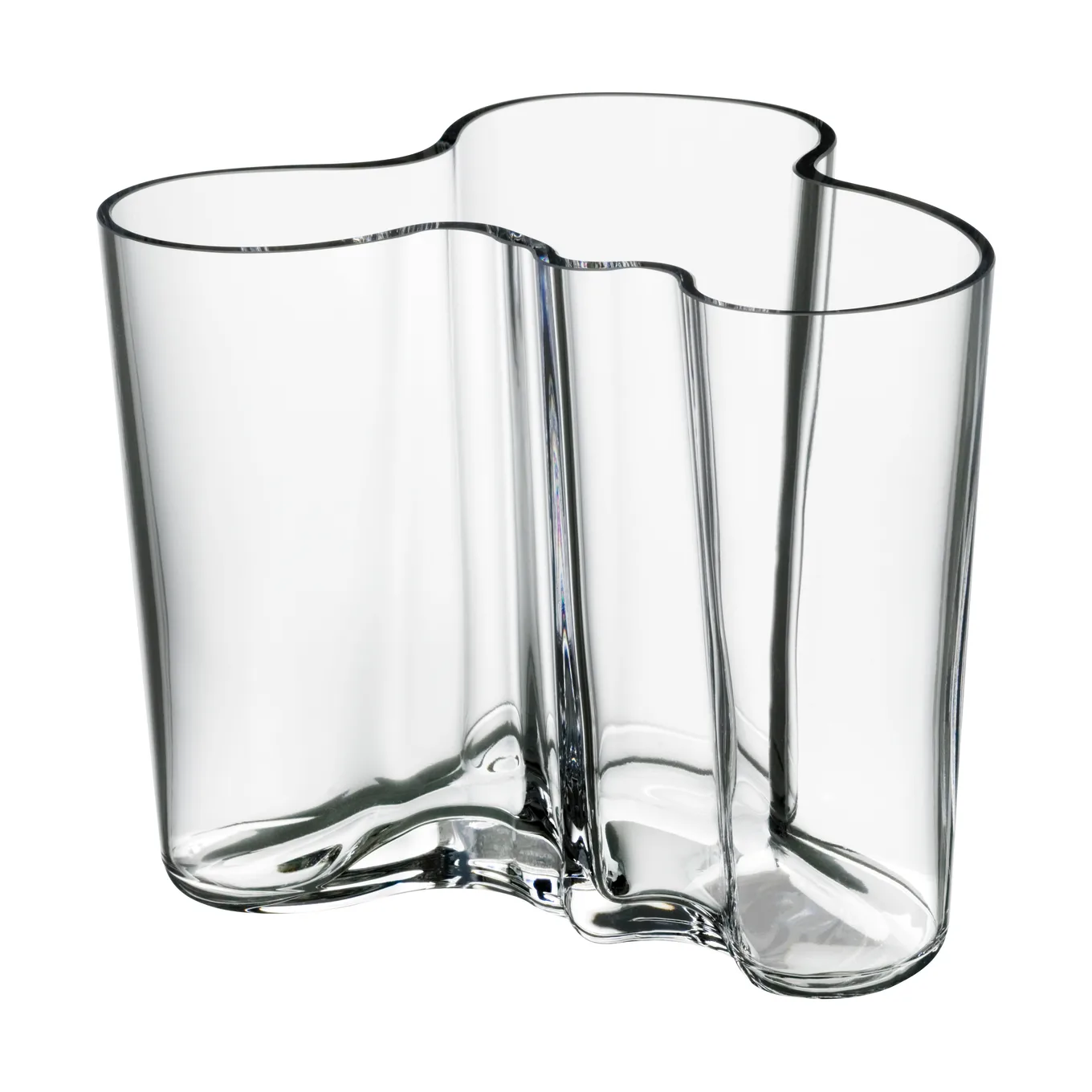
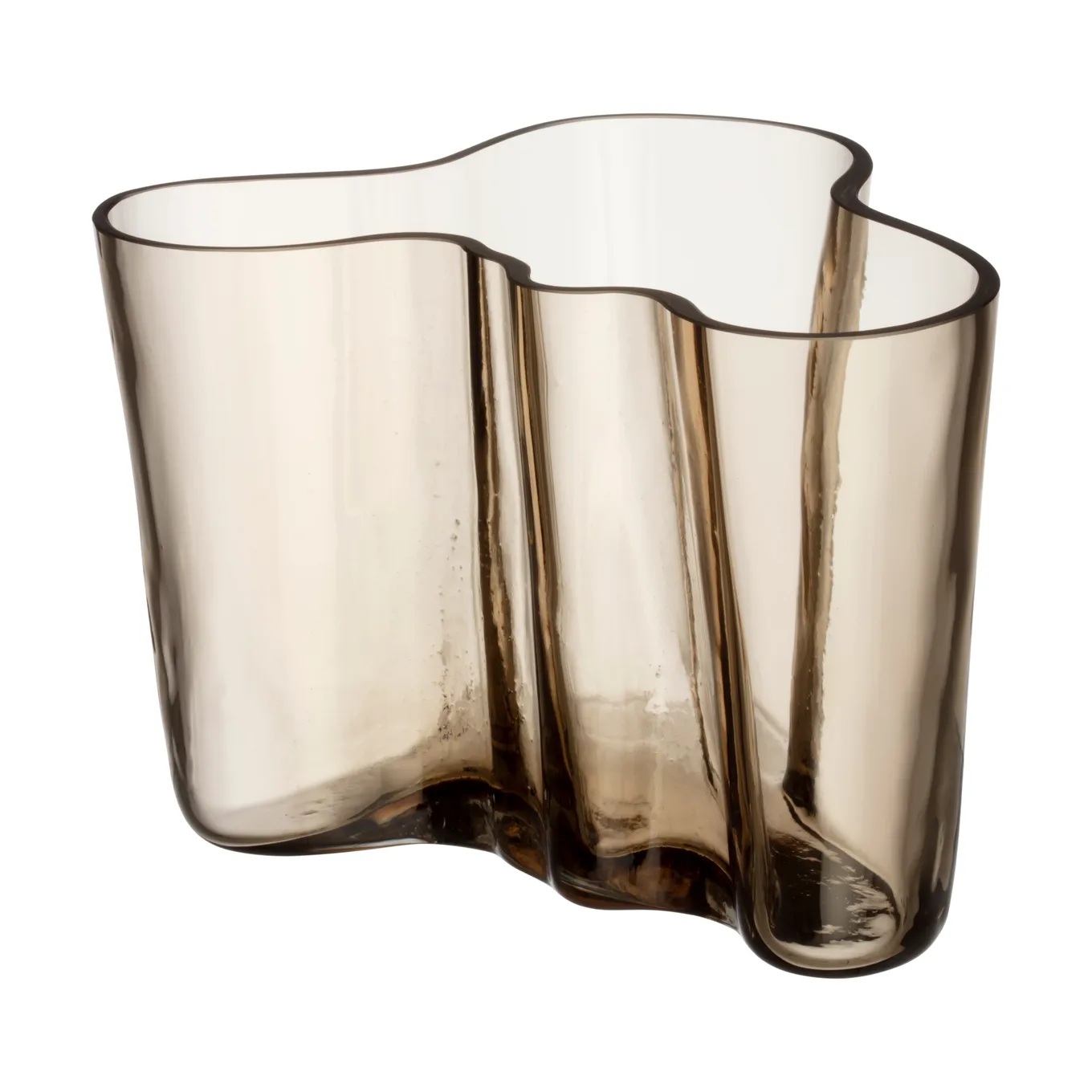
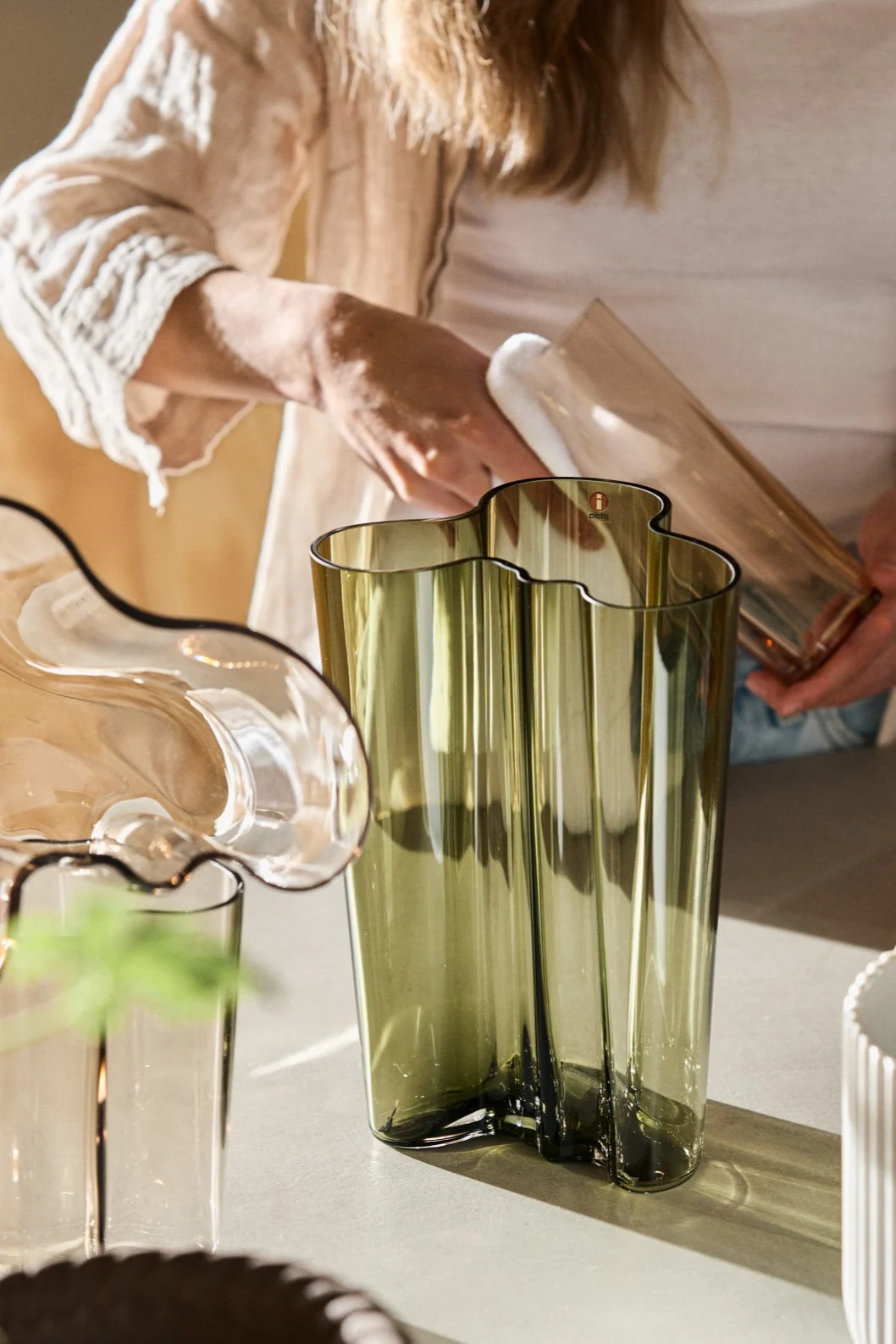
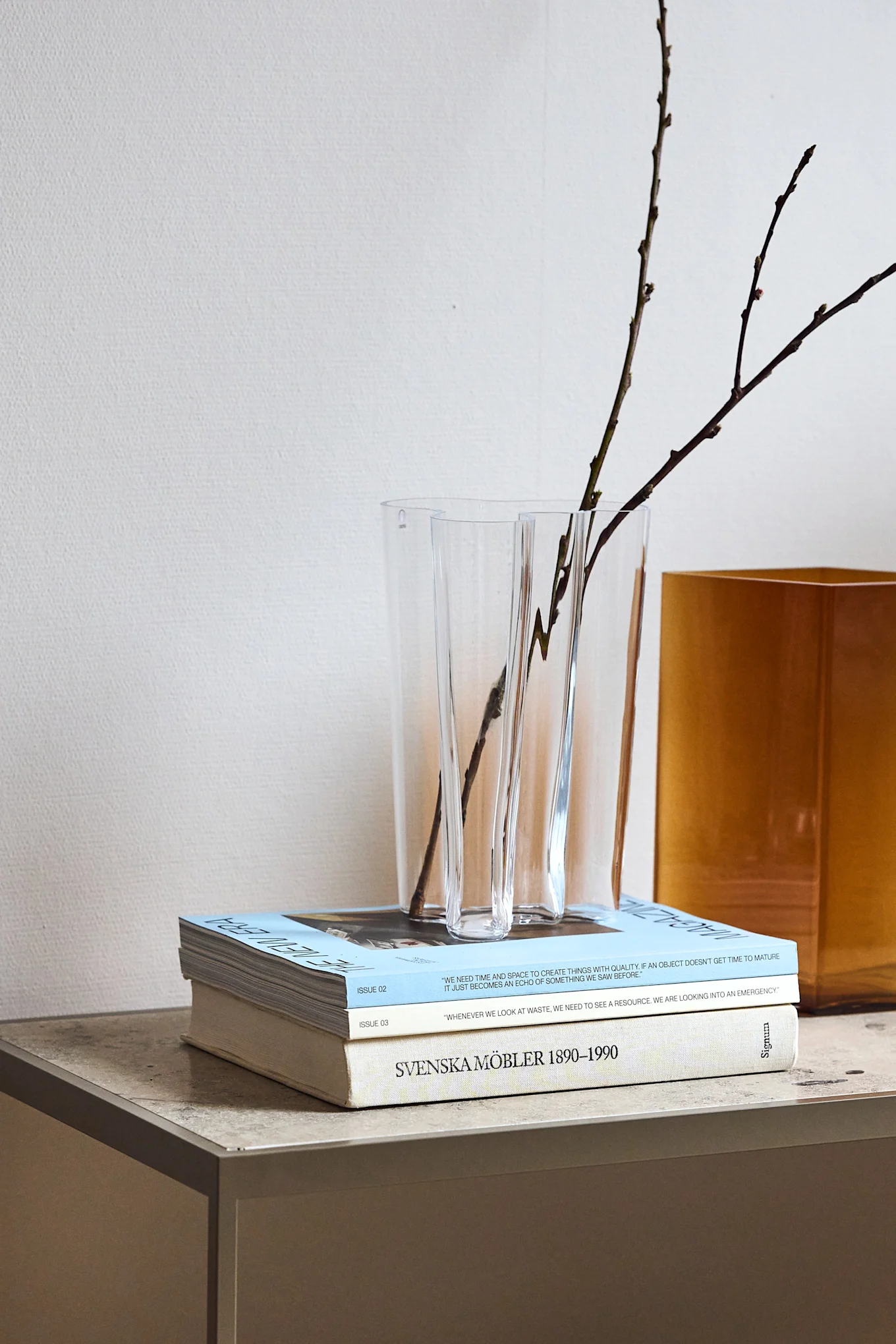
For Alvar Aalto four walls do not make a home, even from an architectural perspective he recognised that his art would not be complete without quality craftsmanship to fill it. His iconic designs have certainly become part of what makes a home to love.
Photography: Angeliqa Daldorph, Elof Martinsson, Iittala

DISCOVER THE ALVAR AALTO COLLECTION
See more