FREE SHIPPING FOR ORDERS OVER $199
60 DAYS RETURN POLICY
5% OFF FOR NEWSLETTER-SIGN UP
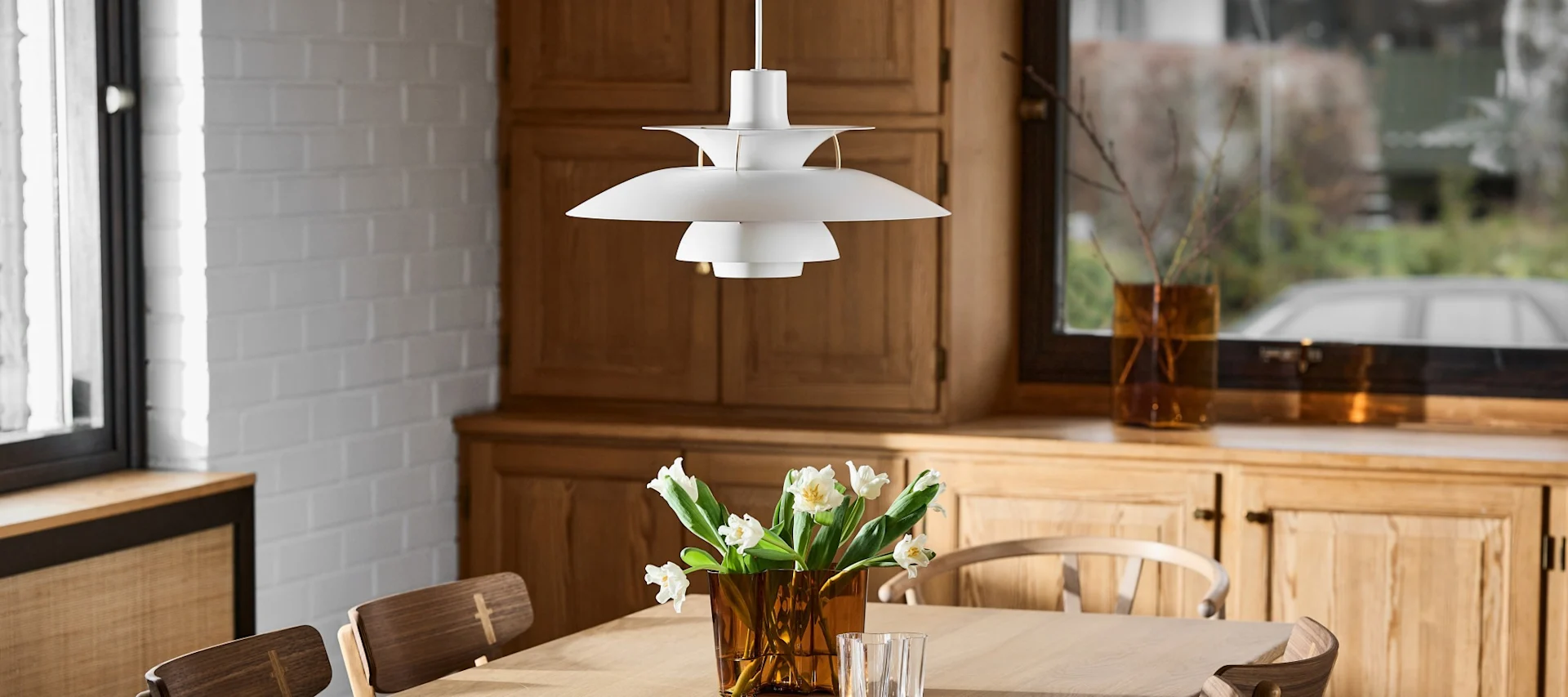
Louis Poulsen – Lighting the way for more than 150 years
From wine merchant to lighting pioneer
Founded in 1874, Louis Poulsen started life as a Copenhagen-based wine import business. It wasn’t until the early 20th century that the company shifted its focus toward lighting, just as electricity began transforming how people lived and worked.
This transition would prove pivotal and in the 1920s, Louis Poulsen would begin a collaboration that would not only define the brand but change the way we think about light altogether.
Poul Henningsen: the shaper of light
If there’s one name inseparable from Louis Poulsen, it’s Poul Henningsen.
An architect, designer, and cultural critic, Henningsen approached lighting with a radical idea: lamps shouldn’t just illuminate a space, they should define it.
At the time, electric lighting was harsh and glaring. Henningsen set out to fix that.
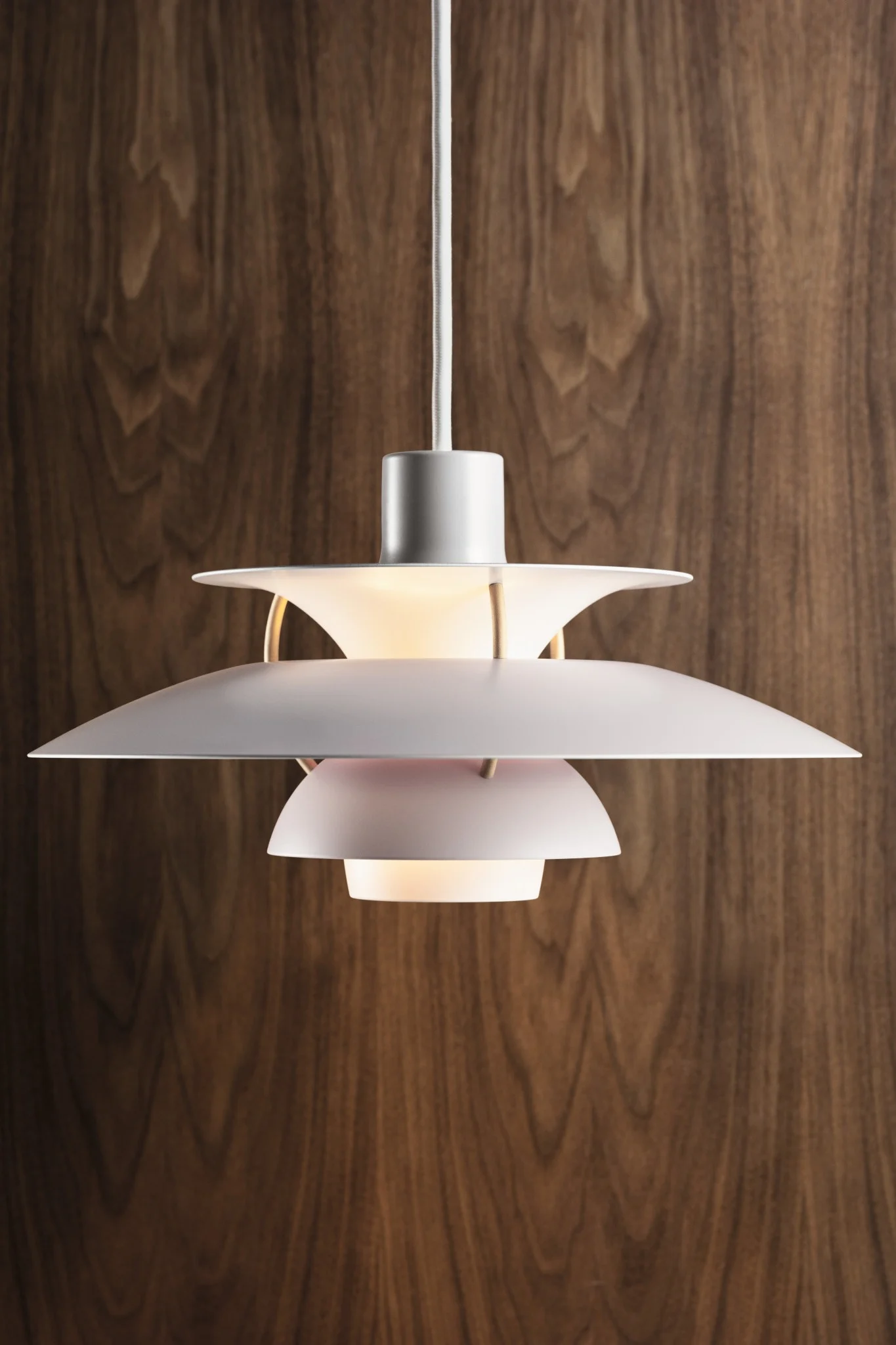
His solution? A scientific, human-centric approach to light. By carefully layering shades, he created lamps that diffused light softly and evenly, eliminating glare while enhancing the atmosphere of the room. This thinking led to the development of the now iconic PH lighting system in the 1920s.
Henningsen’s idea for the now-famous three-shade system became an outstanding success and by 1931 some 30,000 PH lamps had been sold worldwide. Even today PH lamps are still produced on a large scale and are available in many different models and designs – a true classic that was the start of the brand's success and has come to epitomise the timeless aesthetics of Scandinavian design and unrivalled functionality.
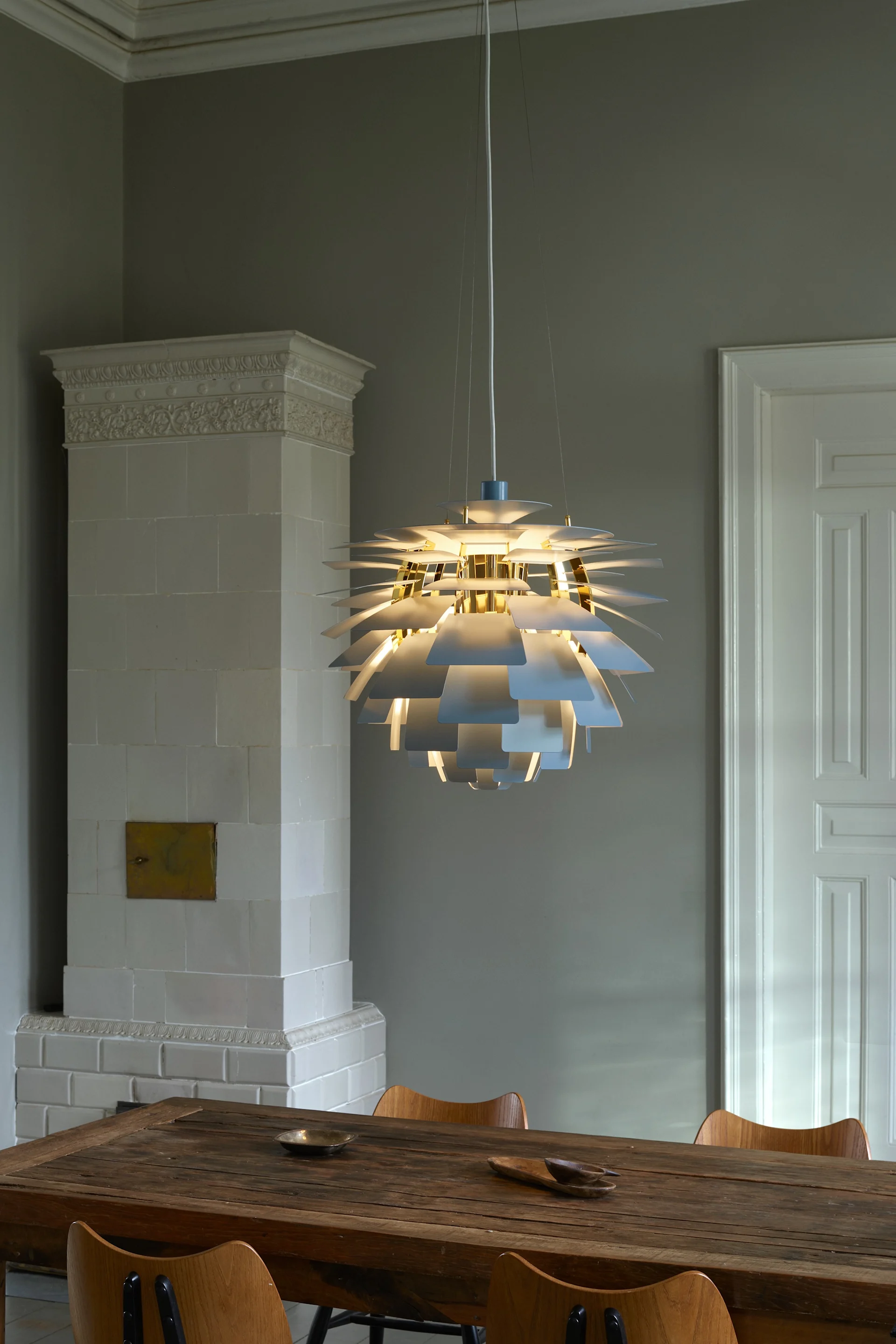

Poul Henningsen’s most iconic designs
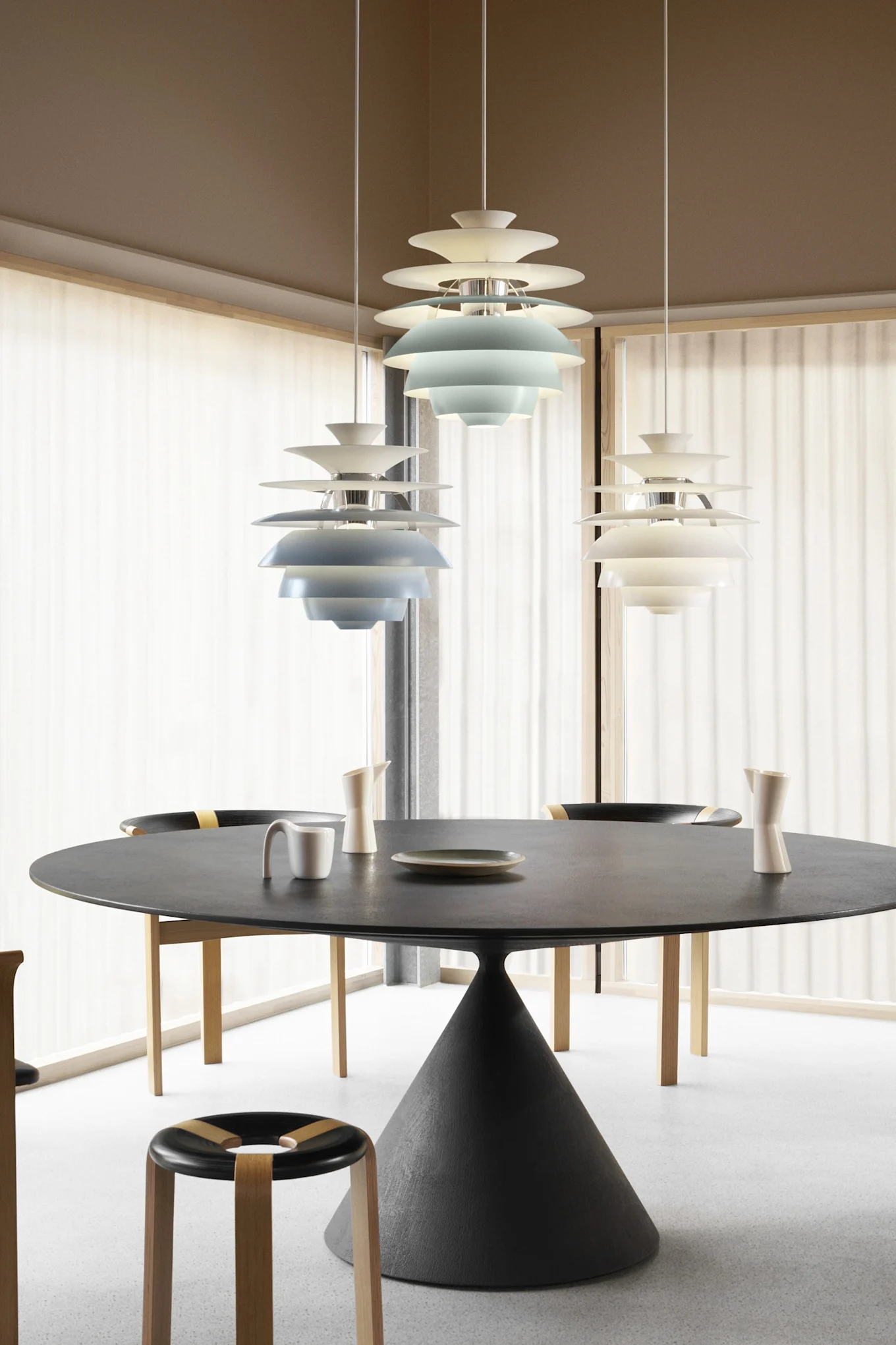
Among the many designs by Poul Henningsen, two stand out as true lighting icons: the PH 5 and the PH Artichoke which were both launched in 1958.
The PH 5 pendant was created in response to a practical challenge: the constant evolution of light bulbs. Henningsen designed a lamp that would work regardless of bulb type, while still delivering soft, glare-free light. Its layered shades direct illumination downwards while gently lighting the fixture itself, creating a warm, balanced glow. Today, the PH 5 remains one of the most recognisable and widely used pendants in Scandinavian interiors.
In contrast, the PH Artichoke is as sculptural as it is functional. Originally designed for the Langelinie Pavilion in Copenhagen, its distinctive form is made up of 72 precisely placed metal leaves. These carefully layered “blades” ensure that the light is evenly distributed from every angle. The result is both dramatic and atmospheric, a statement piece that transforms any space.
Together, these designs capture the essence of Henningsen’s philosophy: lighting that is not only beautiful to look at but also carefully designed to create a lighting experience.
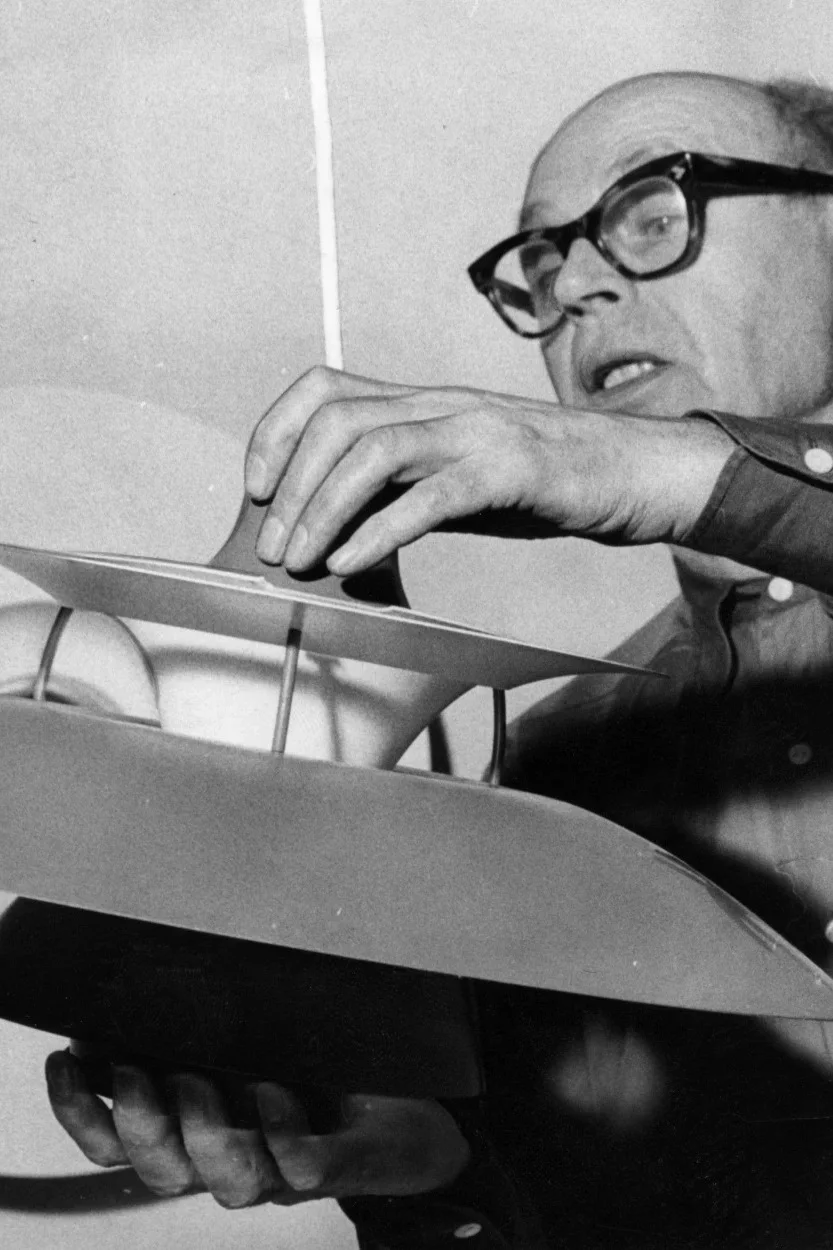
Poul Henningsen with his famous PH 5 pendant.
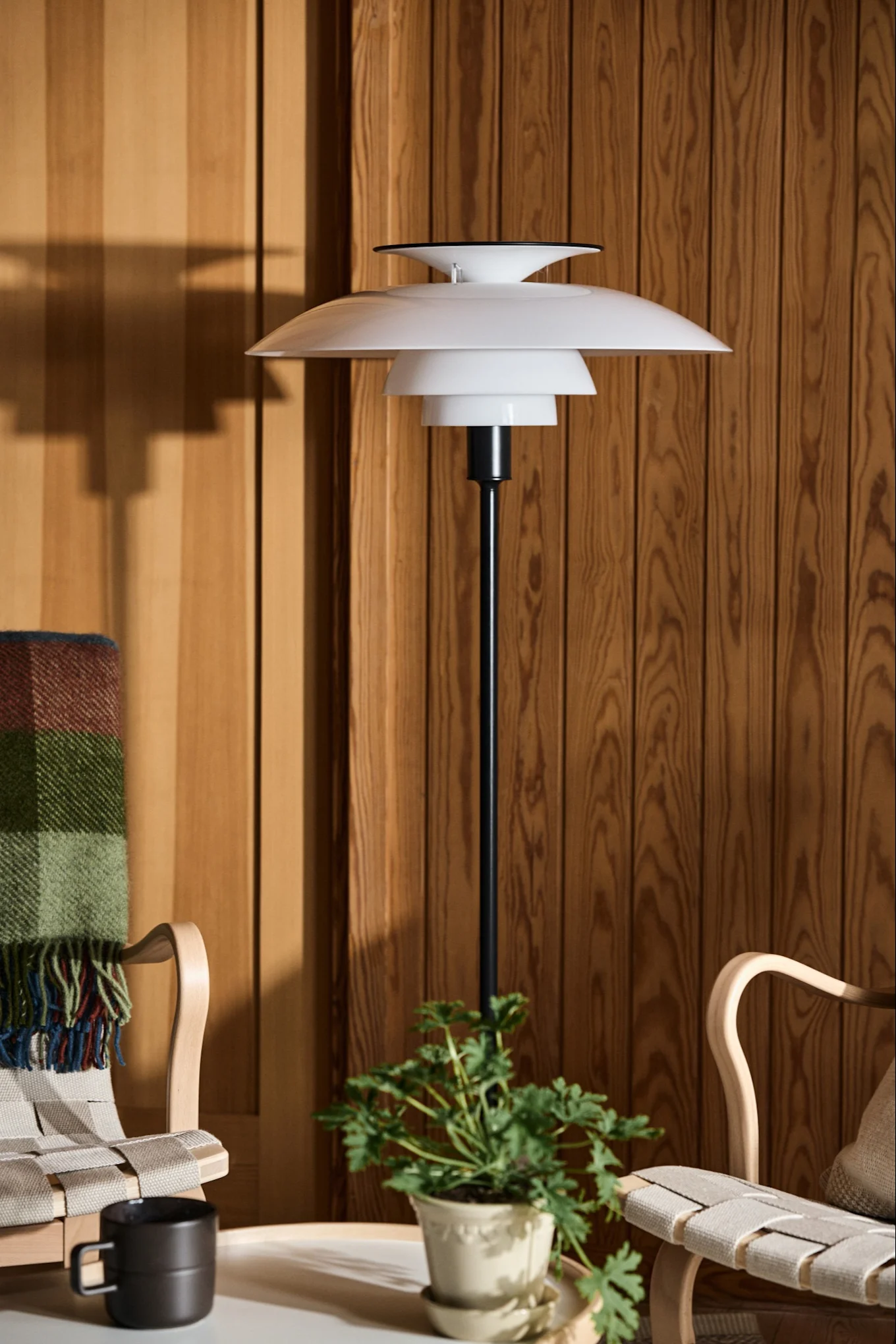
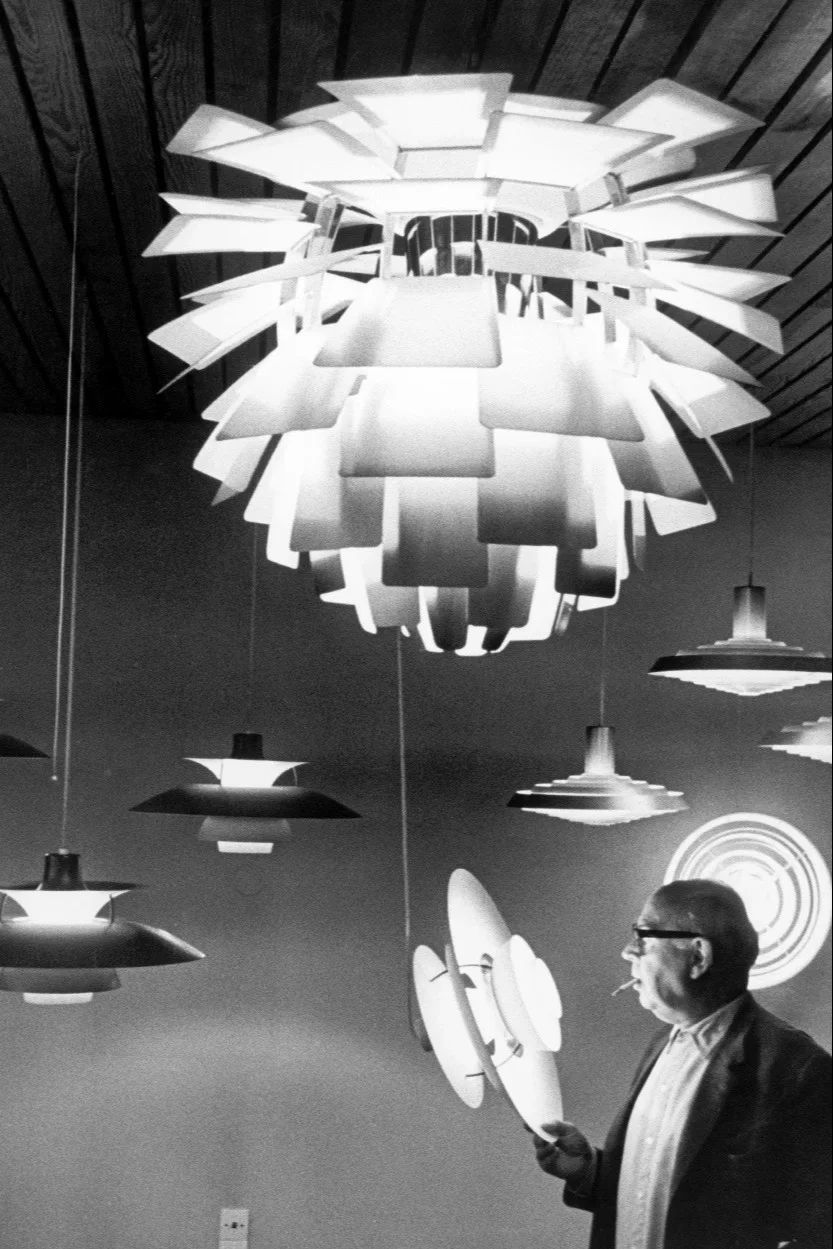
The PH Artichoke, also known as the Cone, is one of Poul Henningsen's most iconic lamps, designed in 1958.
Other designers who have shaped Louis Poulsen’s icons
In addition to Poul Henningsen Louis Poulsen has worked with a number of famous designers who have gone on to create some of the brand's most prominent icons. After the Second World War, collaborations with independent designers began and over the years, well-known names such as Arne Jacobsen and Verner Panton have been involved in creating some of the brand's most prominent design classics.
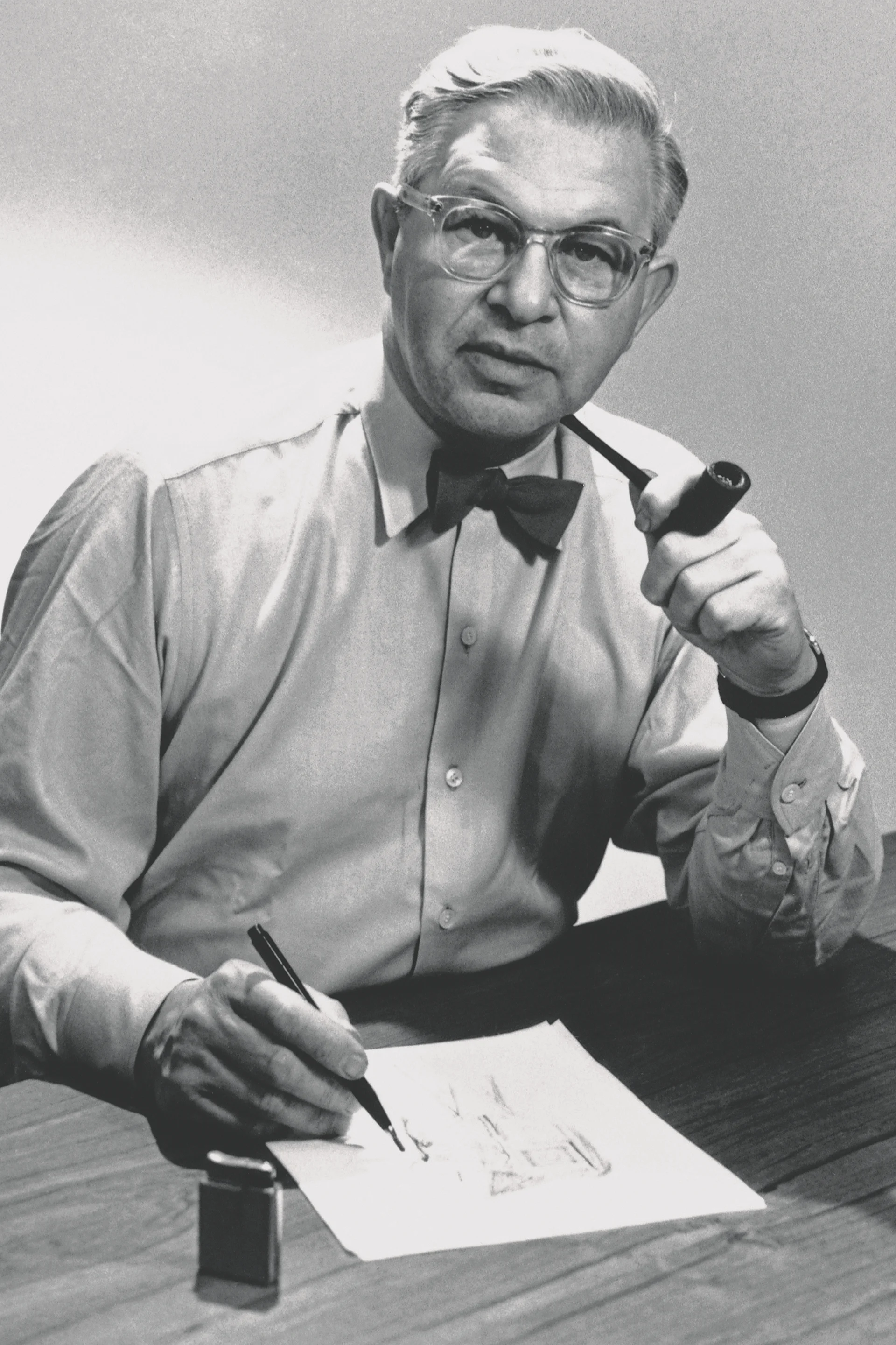
Arne Jacobsen, designer of the AJ series.
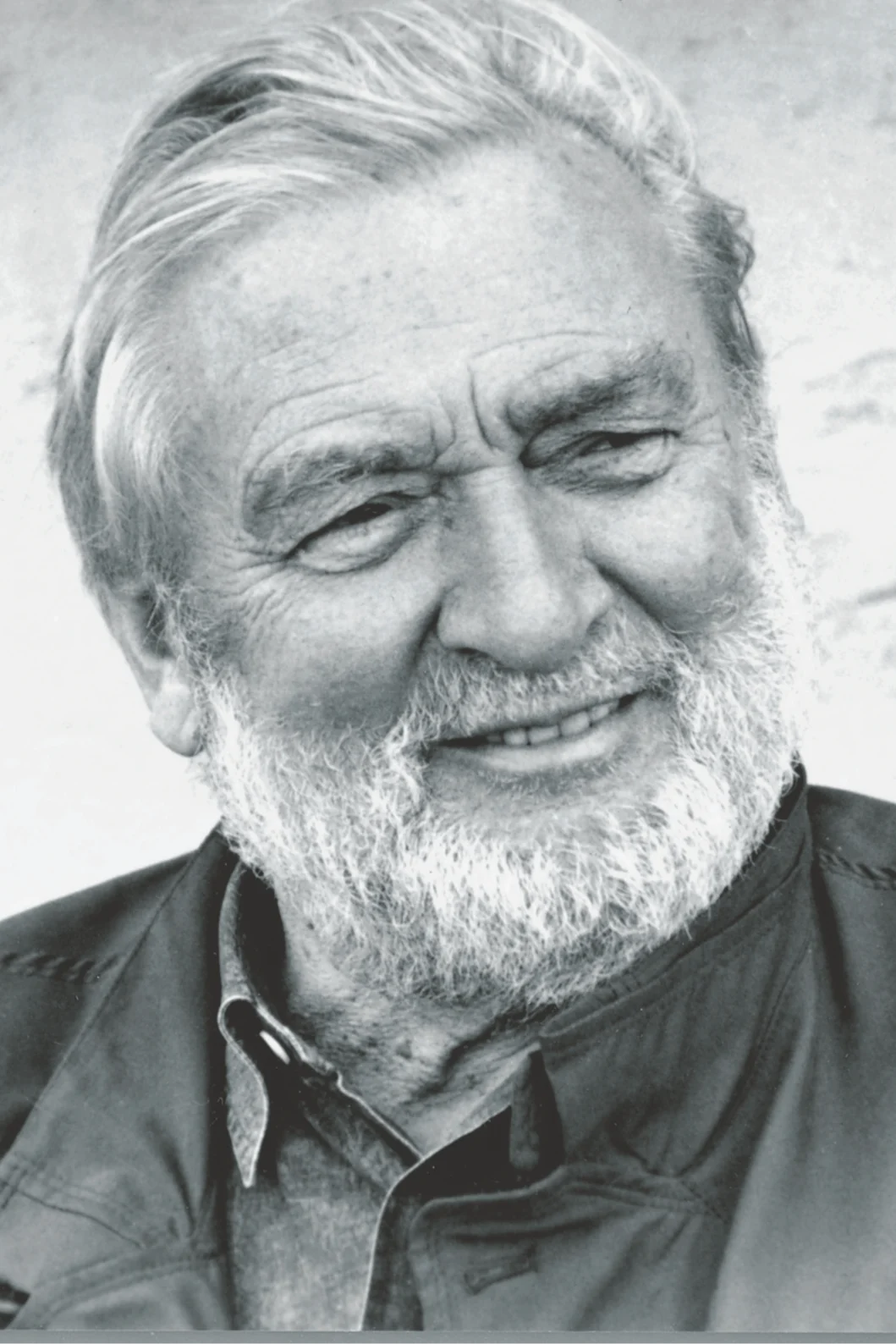
Verner Panton, designer of the Panthella series.
Arne Jacobsen & The AJ series
The architect and designer Arne Jacobsen is often remembered for his strong will and determination, matched by a distinctive, minimalistic design language that earned him numerous prestigious awards in Denmark and abroad.
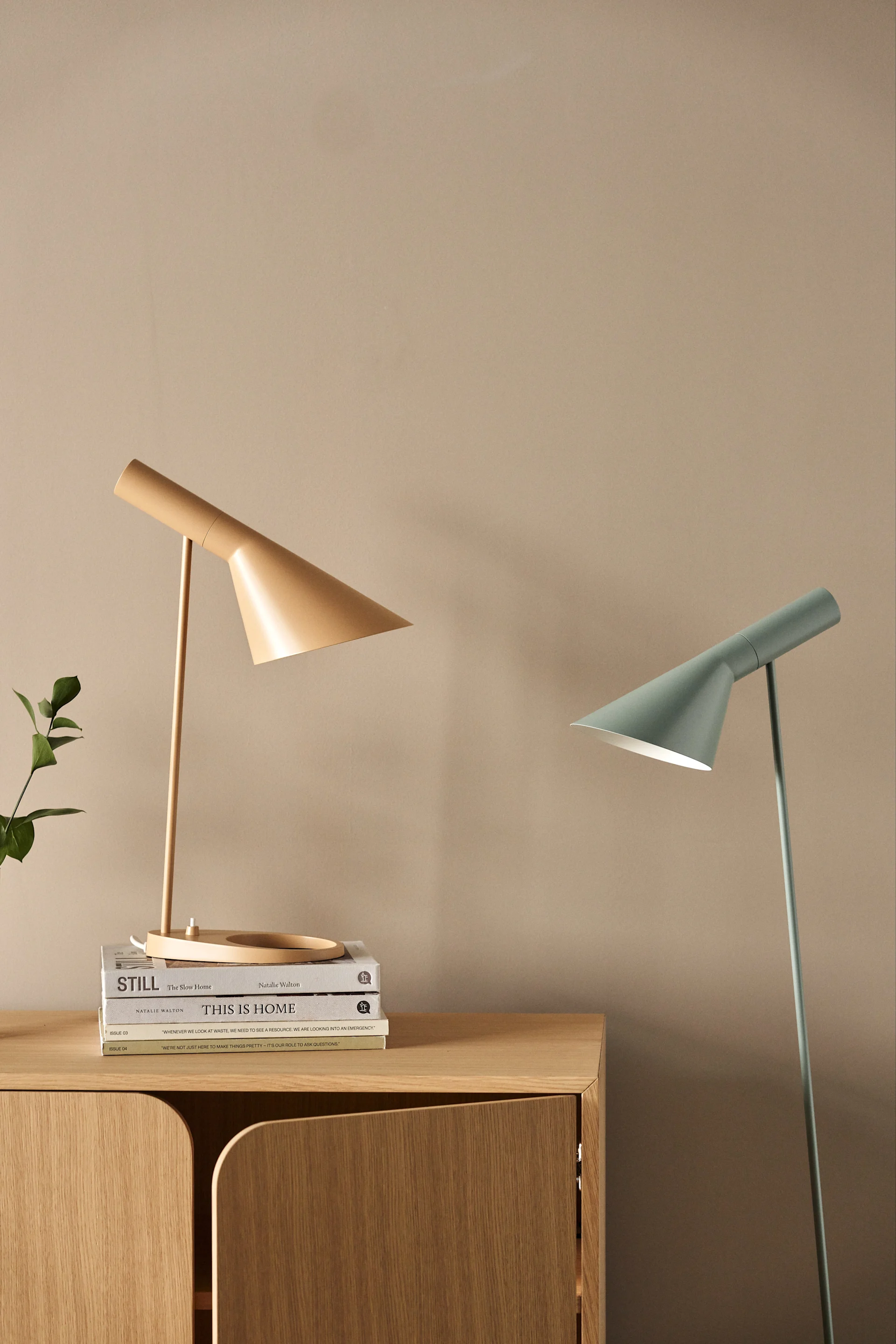
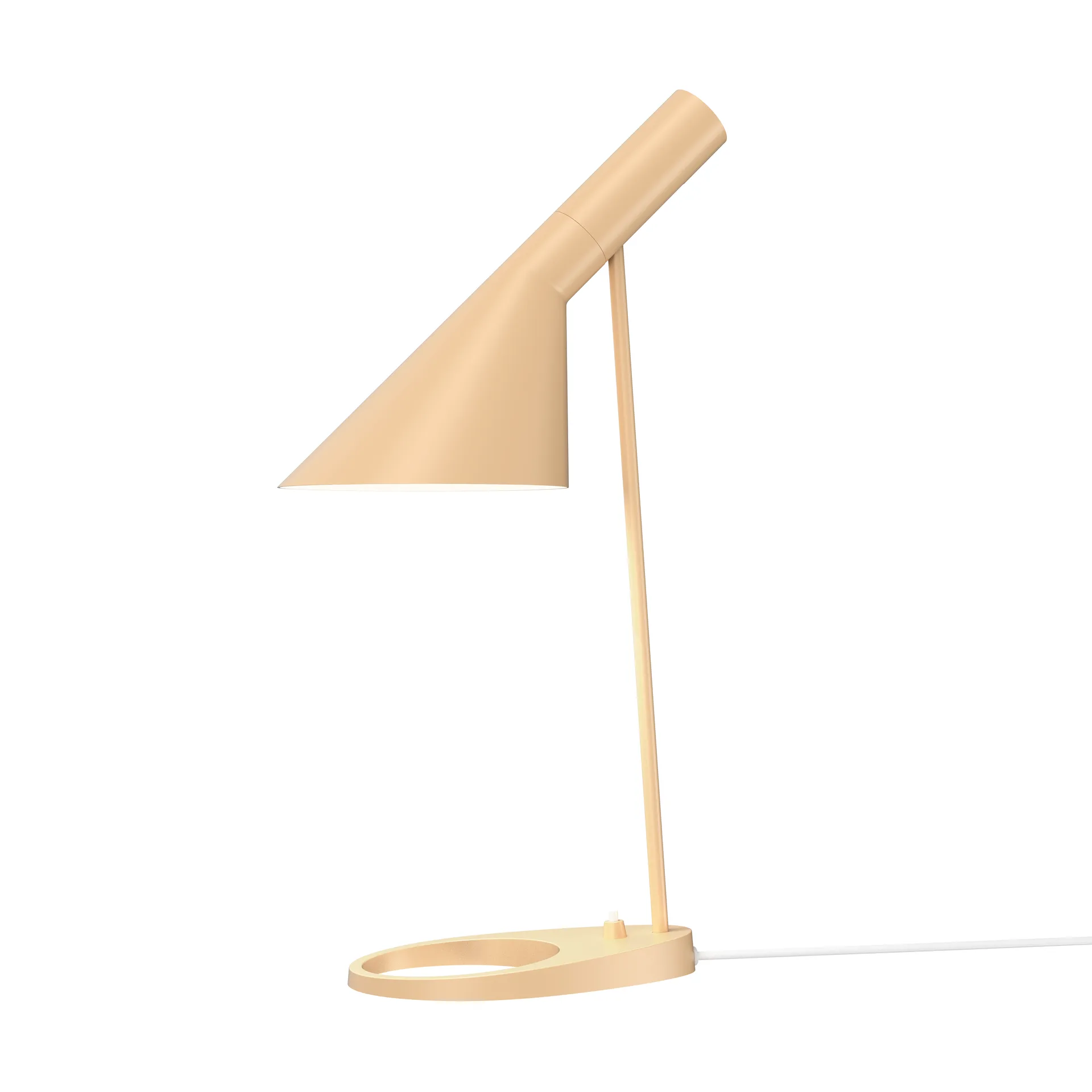
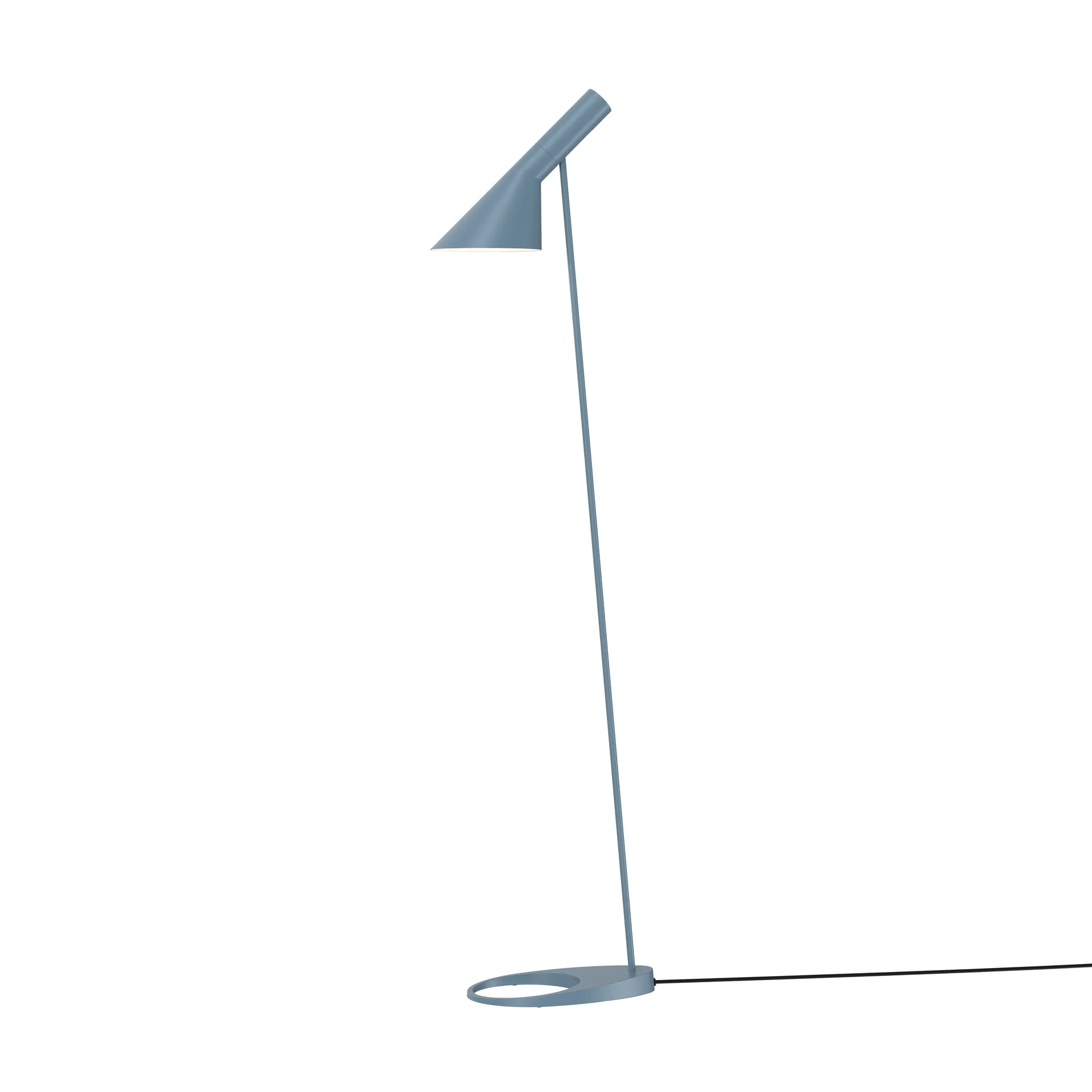
In collaboration with Louis Poulsen, Jacobsen created the iconic AJ lamp series for the SAS Royal Hotel in Copenhagen, where he was also responsible for the furniture and interior details. After the hotel’s completion, the lamps were made available to the public, and today the AJ series includes a full range, from table and floor lamps to wall-mounted designs, each instantly recognisable by its elegant silhouette.
The AJ lamps are designed to provide a comfortable, glare-free downlight, with a white-painted inner shade that softens the illumination. The tiltable shade allows precise control over the direction of light, making the AJ series particularly popular for reading, task lighting, and creating focused, atmospheric lighting in homes and offices alike.
Verner Panton & the Panthella series
The collaboration with Verner Panton began in 1959, marking a bold new chapter for Louis Poulsen. Known for his intuitive understanding of light, space, colour, and materials, Panton brought a more experimental and playful approach to lighting design.
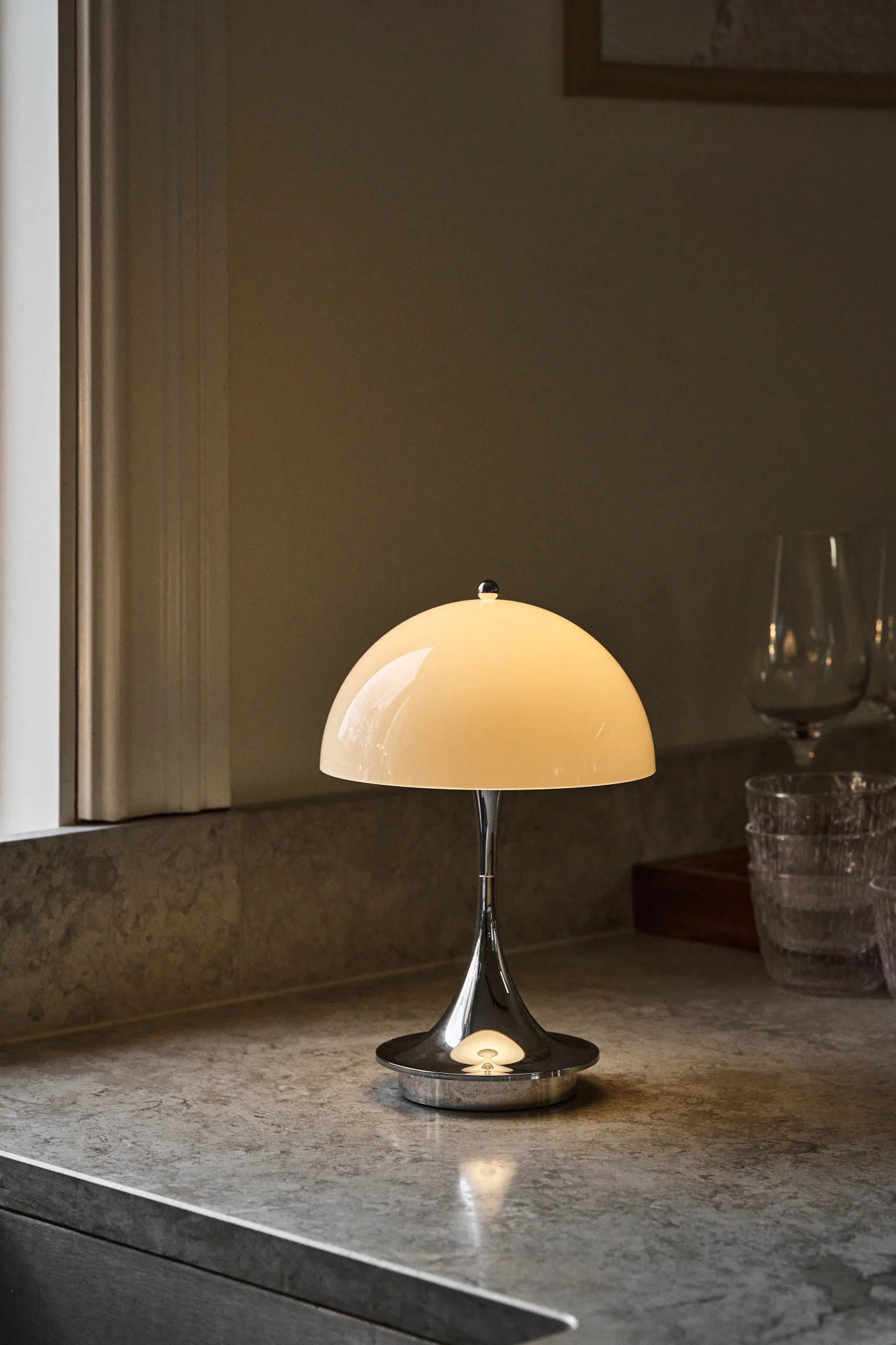
One of his earliest designs for the brand was the Topan pendant, a clean, geometric form that quickly became a modern classic. But it was the later Panthella series from 1971 that truly captured his vision. With its softly rounded silhouette, both the shade and base are designed to reflect light, creating a gentle, atmospheric glow that feels as inviting as it is distinctive.
Panton wasn’t afraid to challenge convention, quite the opposite, his willingness to experiment pushed the boundaries of design and encouraged a more expressive, personal approach to interiors.
Less widely known, however, is his connection to Poul Henningsen. As both mentor and early influence, Henningsen introduced Panton to Louis Poulsen and sparked his interest in the relationship between light and design, laying the foundation for a collaboration that would shape some of the brand’s most iconic pieces.
Read more about Verner Panton’s icon designs here: 100 years of Verner Panton
Louis Poulsen today
Over the decades, Louis Poulsen has collaborated with some of the most influential designers in Scandinavian design.
From the sculptural PH lamps to the architectural clarity of Arne Jacobsen’s AJ series and the playful form of Verner Panton’s Panthella, each design reflects the same core principle: light comes first.
Many of these pieces remain in production today and continue to shape light across homes, hotels, and public spaces worldwide.
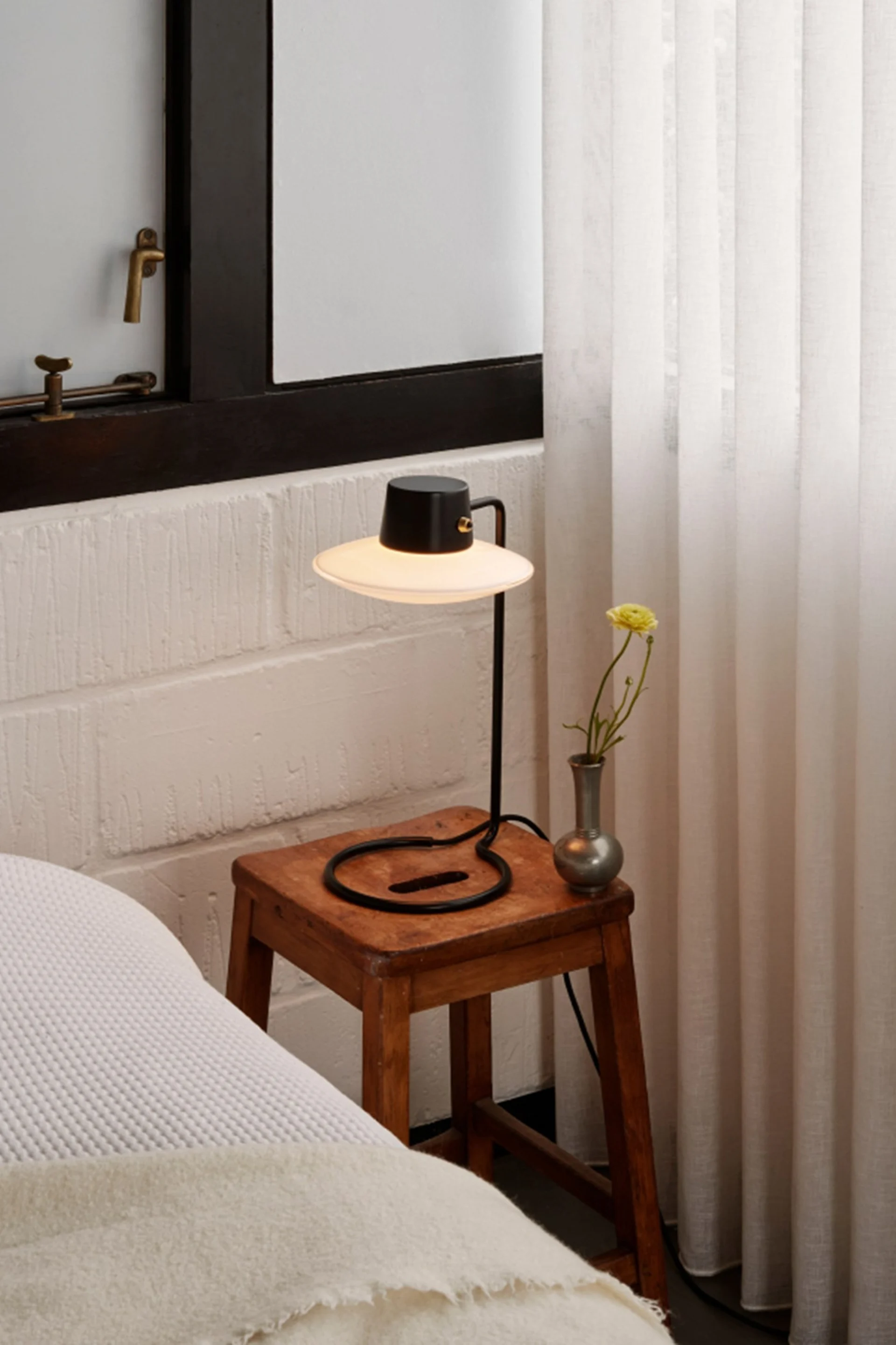
Photo: Elof Martinsson, Louis Poulsen

Explore Louis Poulsen
See moreCustomer Service
Selection
Inspiration