FREE SHIPPING FOR ORDERS OVER $199
60 DAYS RETURN POLICY
5% OFF FOR NEWSLETTER-SIGN UP
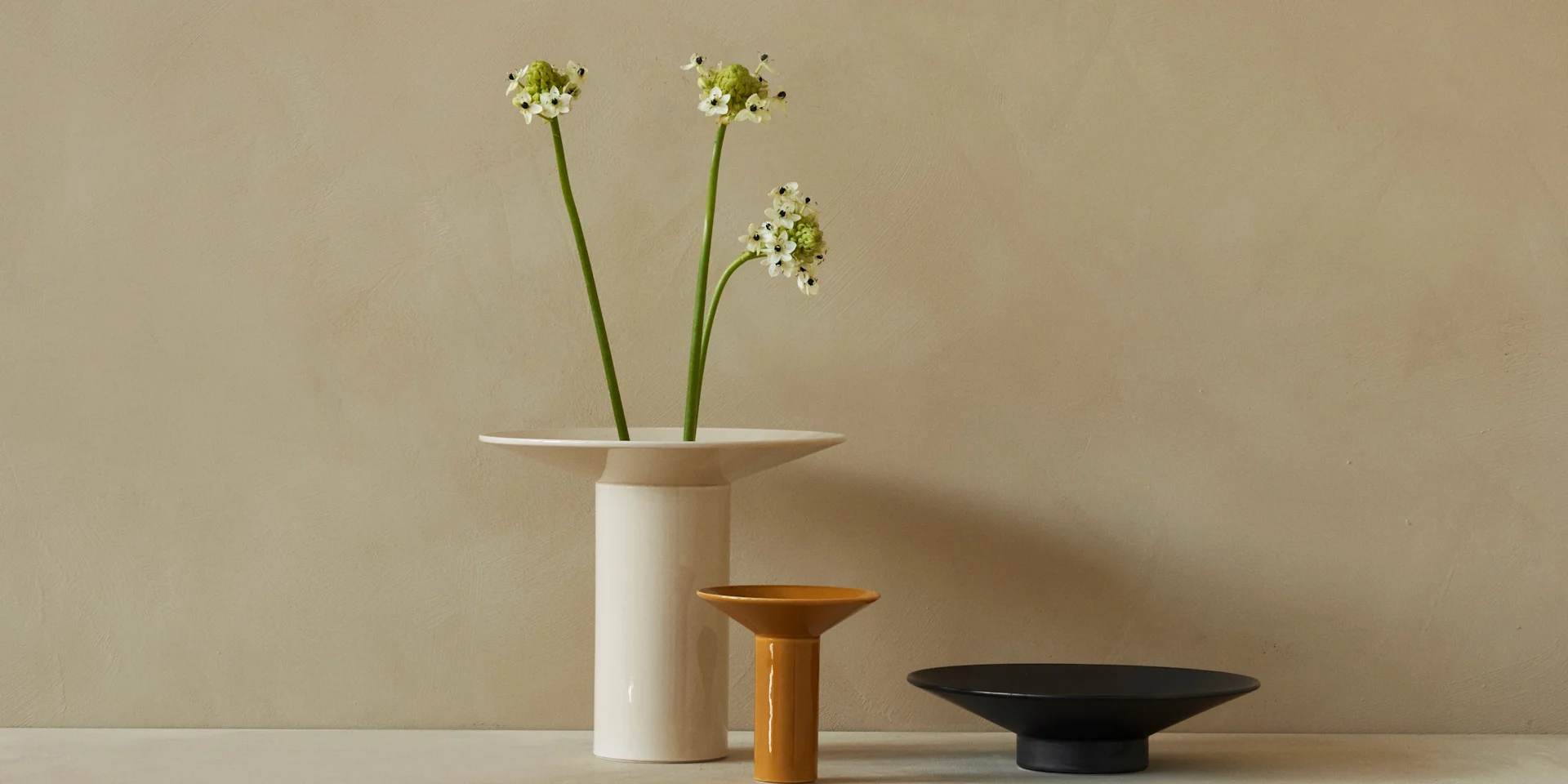
The art of Ikebana: a guide to Japanese flower arranging
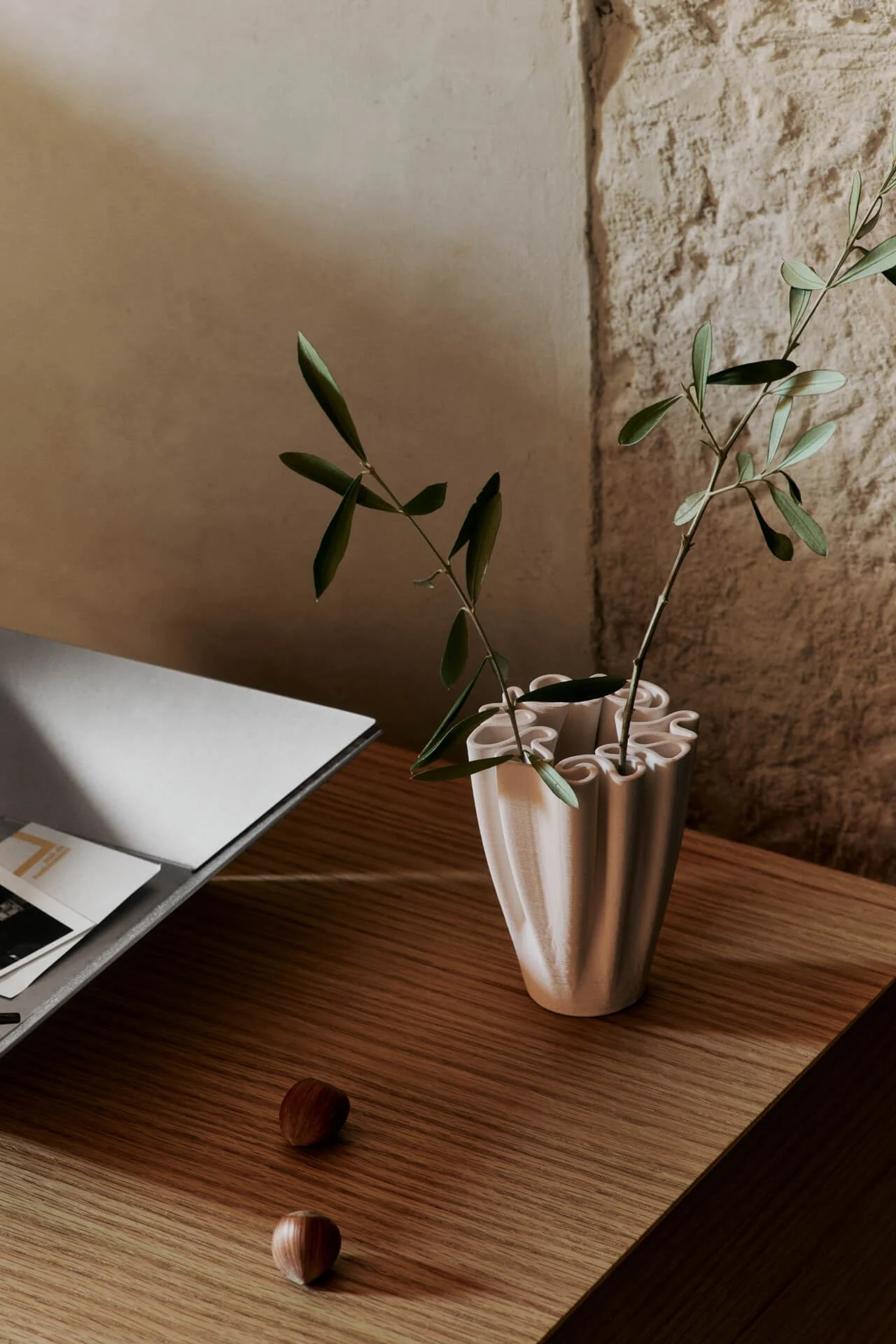
What is Ikebana?
Ikebana originated in Japan more than 600 years ago. It was a tradition that was initially practiced in Buddhist temples, these arrangements were a form of floral offerings. Over time, these offerings evolved into a refined art, with different schools and styles.
The word Ikebana itself combines two Japanese terms: ikeru (to arrange or make alive) and hana (flowers). Rather than simply decorating a space, Ikebana aims to express the relationship between nature, space and the arranger.
A key principle is balance between three main elements, often symbolising:
- Heaven
- Earth
- Humanity
These elements are typically represented by branches or stems of different heights, creating a harmonious triangular composition.
The key principles of Ikebana
Even if you are new to Ikebana, a few simple principles can help you create a beautiful arrangement.
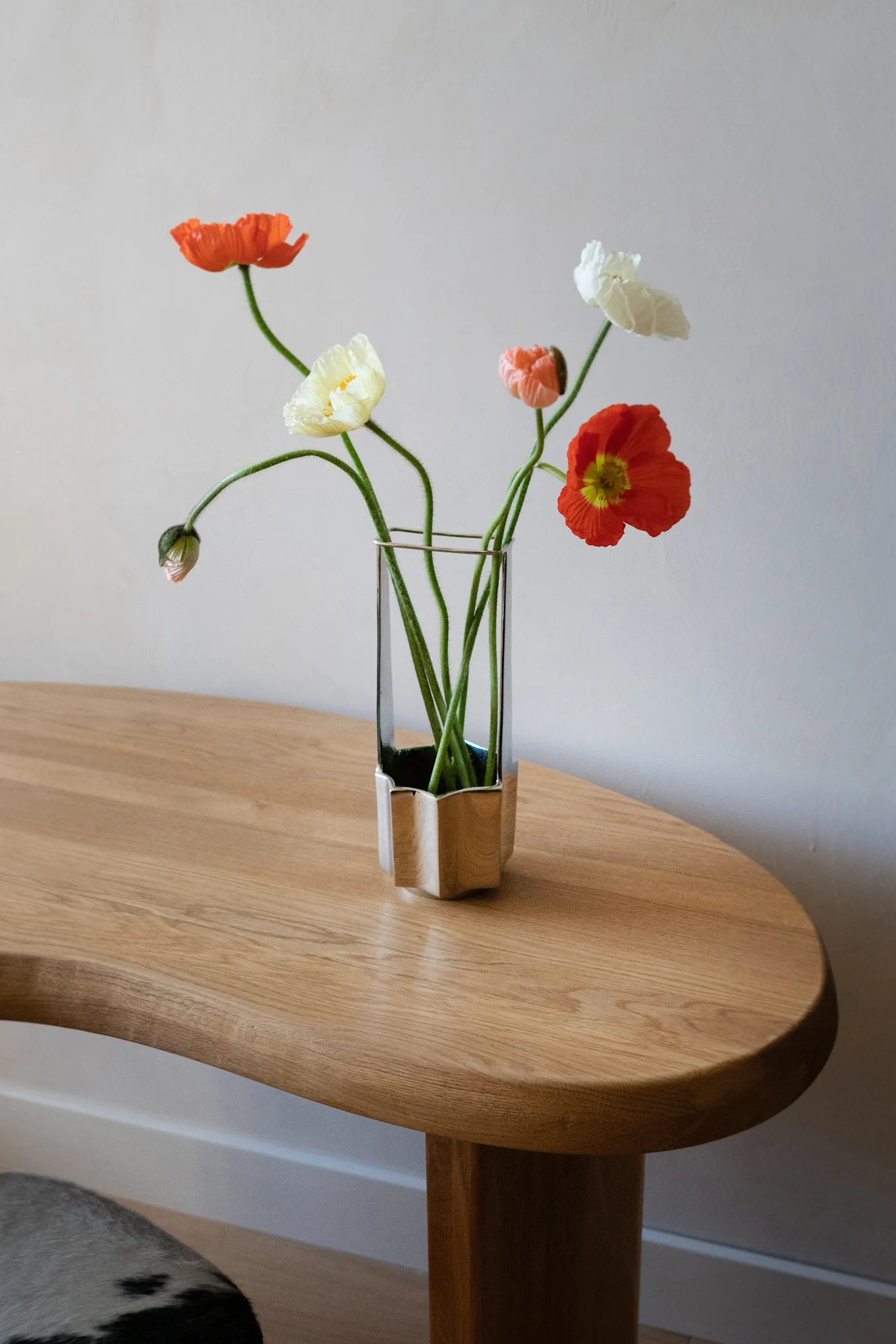
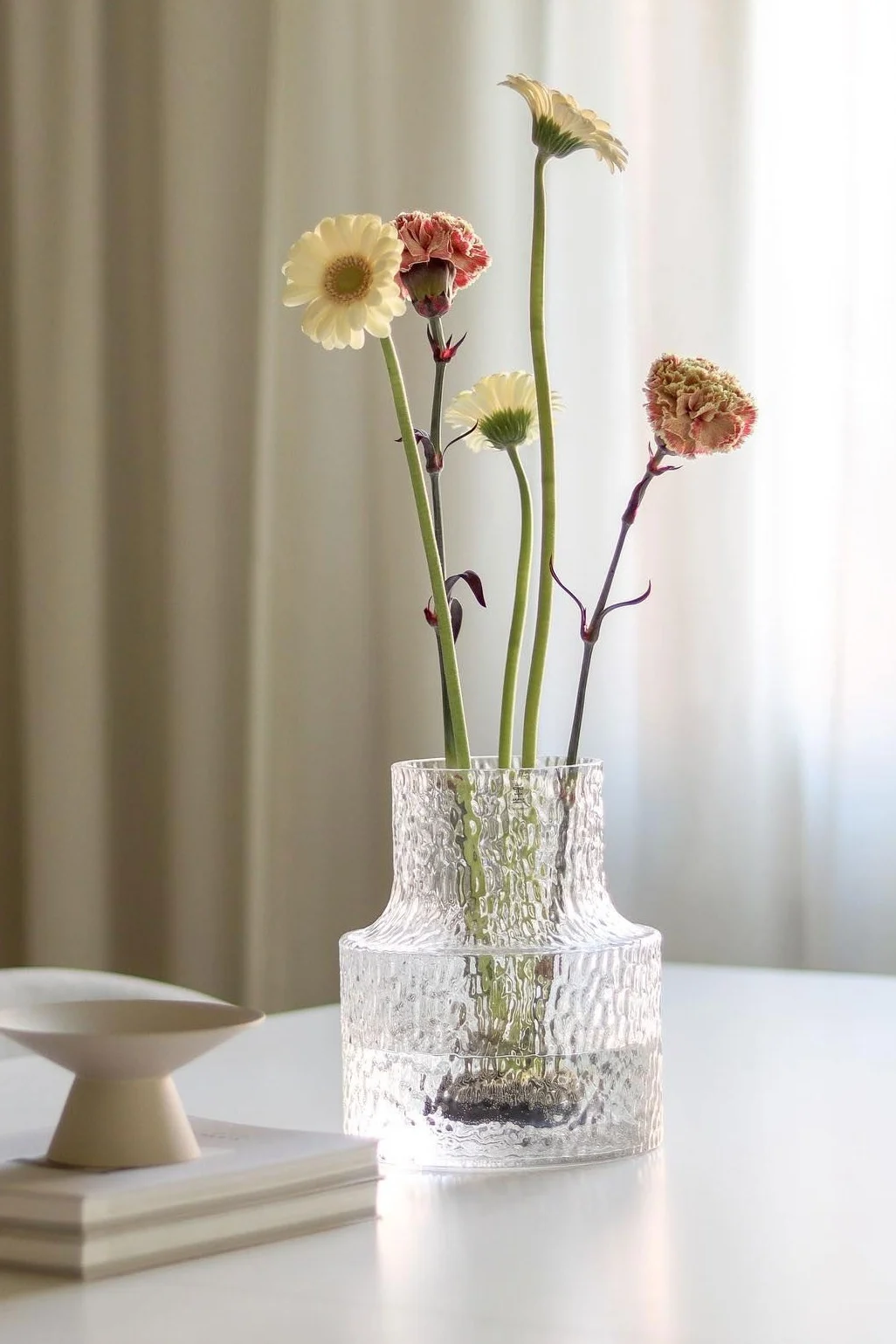
- Ikebana often uses fewer flowers than traditional arrangements. The focus is on the individual beauty of each stem rather than creating a dense bouquet.
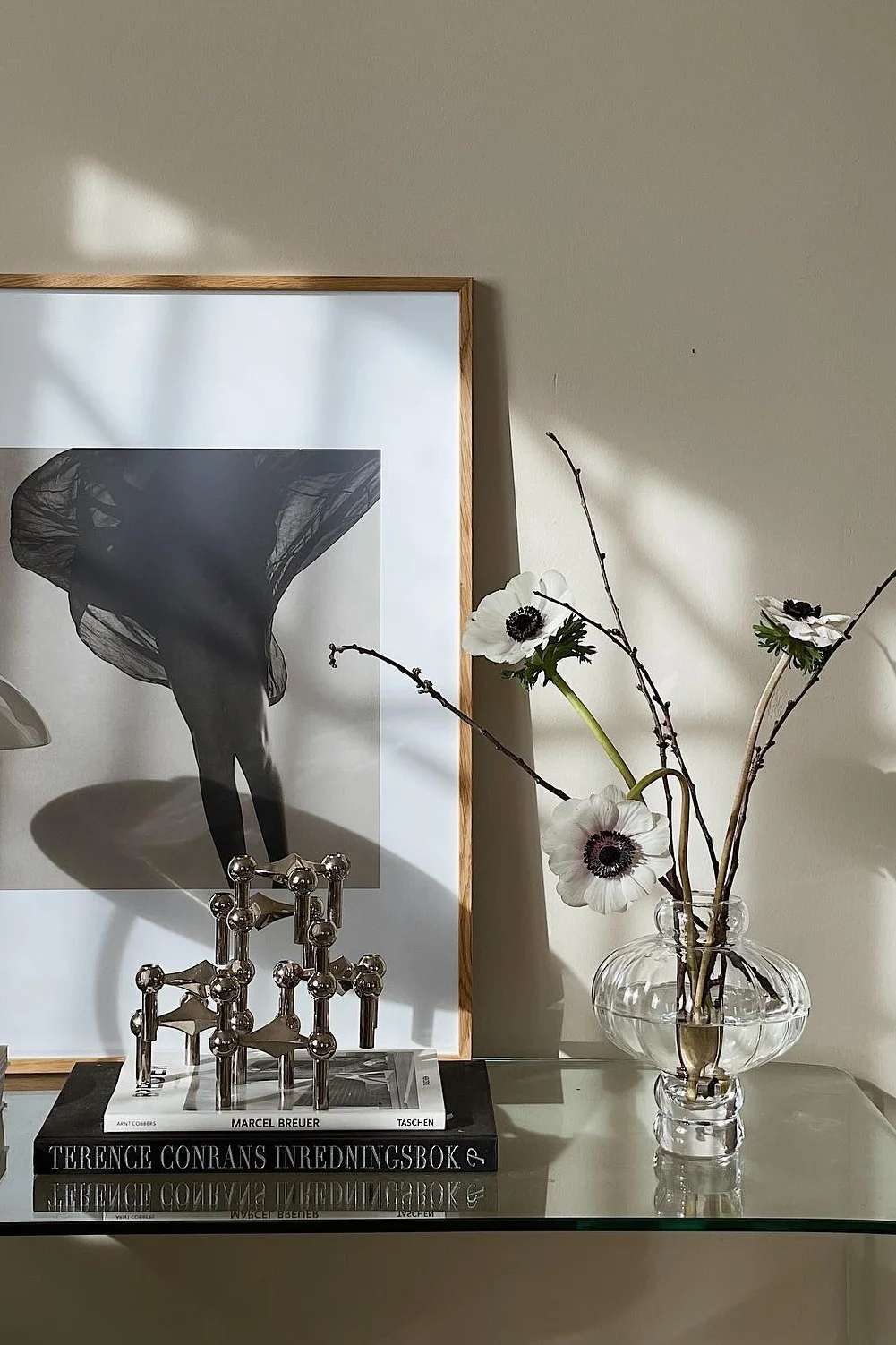
- Natural balance rarely means perfect symmetry. Ikebana compositions often appear slightly off-centre, creating a dynamic and natural look.
- Empty space is just as important as the flowers themselves. The spaces between stems allow each element to stand out and give the arrangement a calm, airy feel.
- Seasonal flowers and branches are often chosen to reflect the time of year. Buds in spring, lush greenery in summer, berries in autumn or bare branches in winter all tell a story about nature’s cycles.
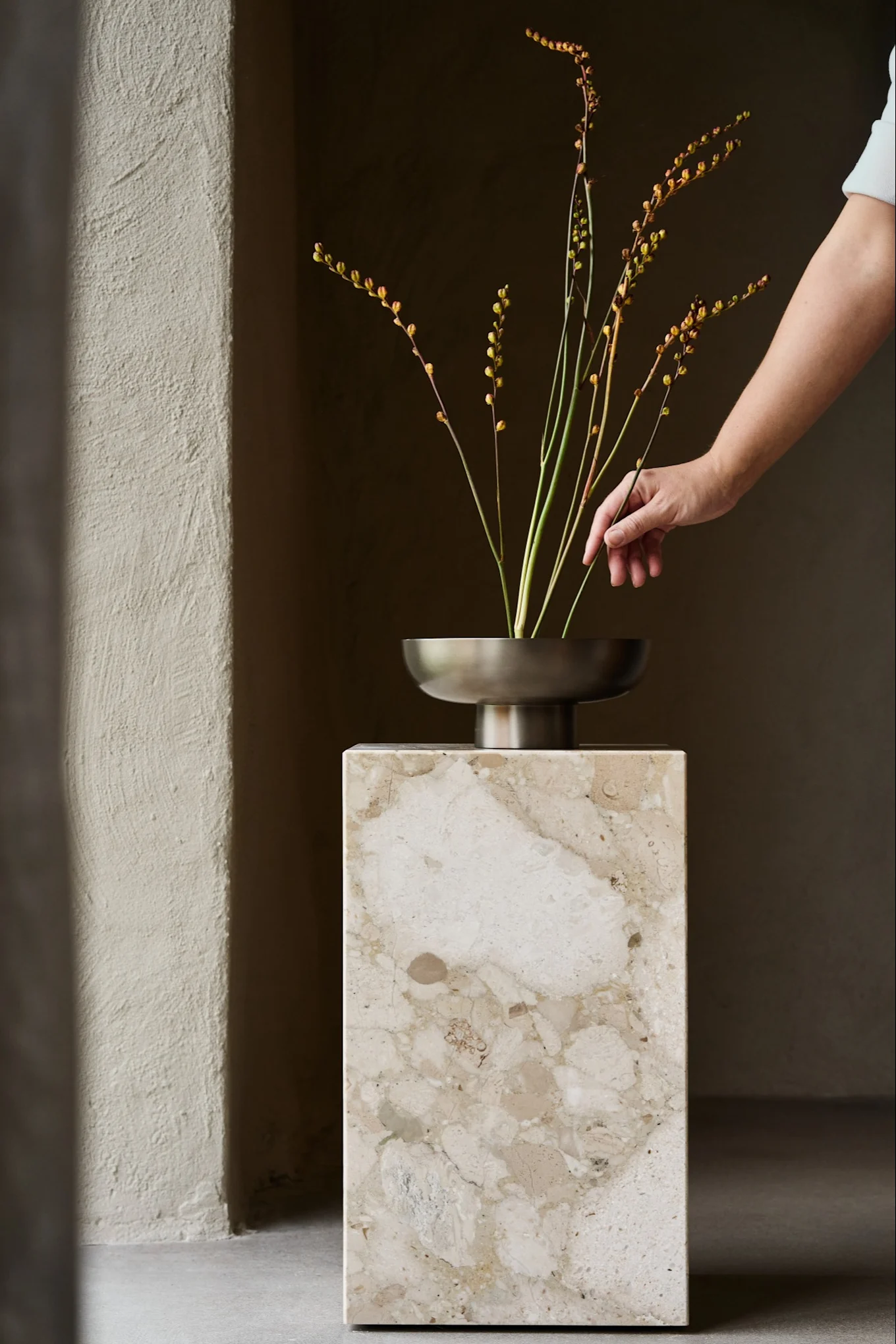
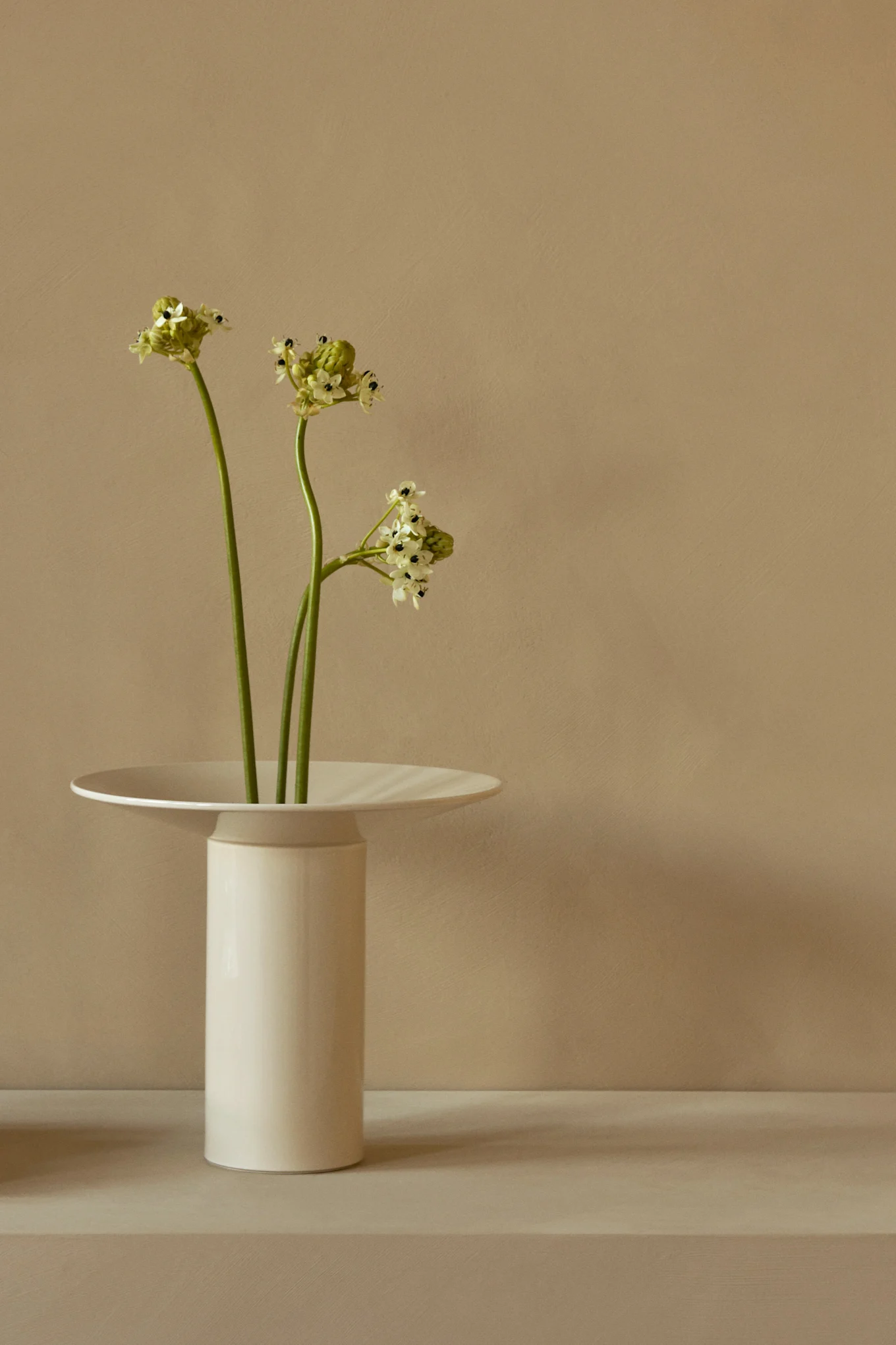
How to create a simple Ikebana arrangement
You don’t need many materials to start experimenting with Ikebana flower arranging, just a few carefully chosen elements are enough.
What you need:
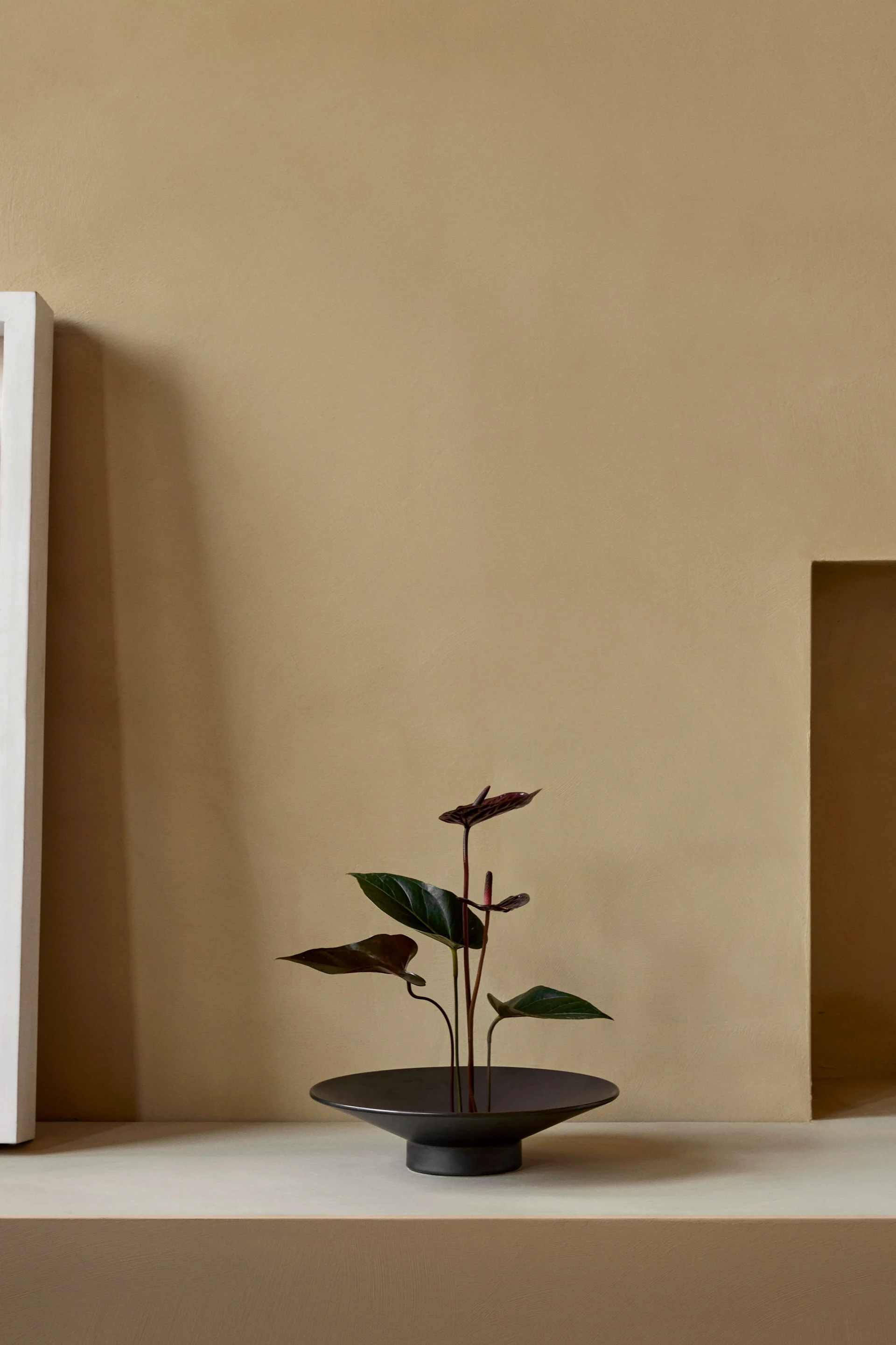
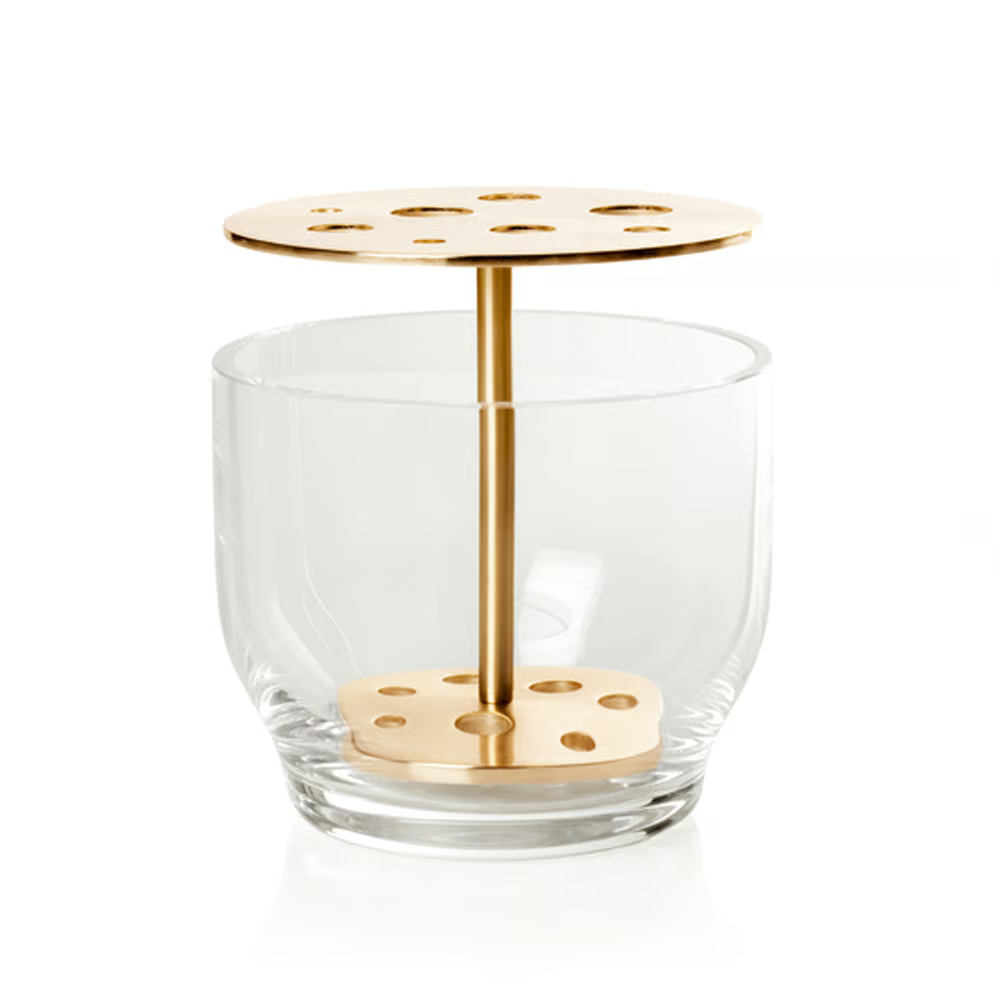
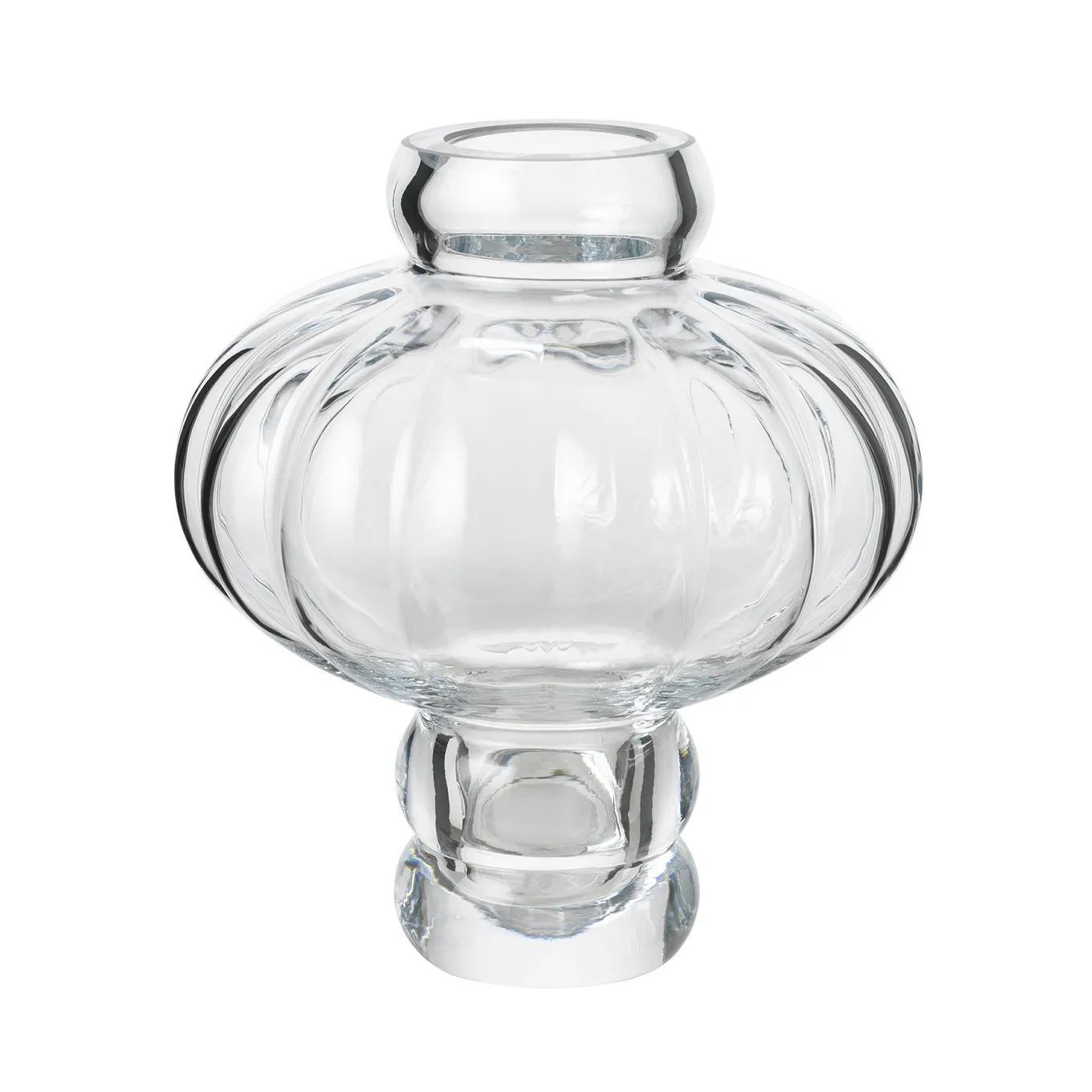
- A shallow bowl or low vase
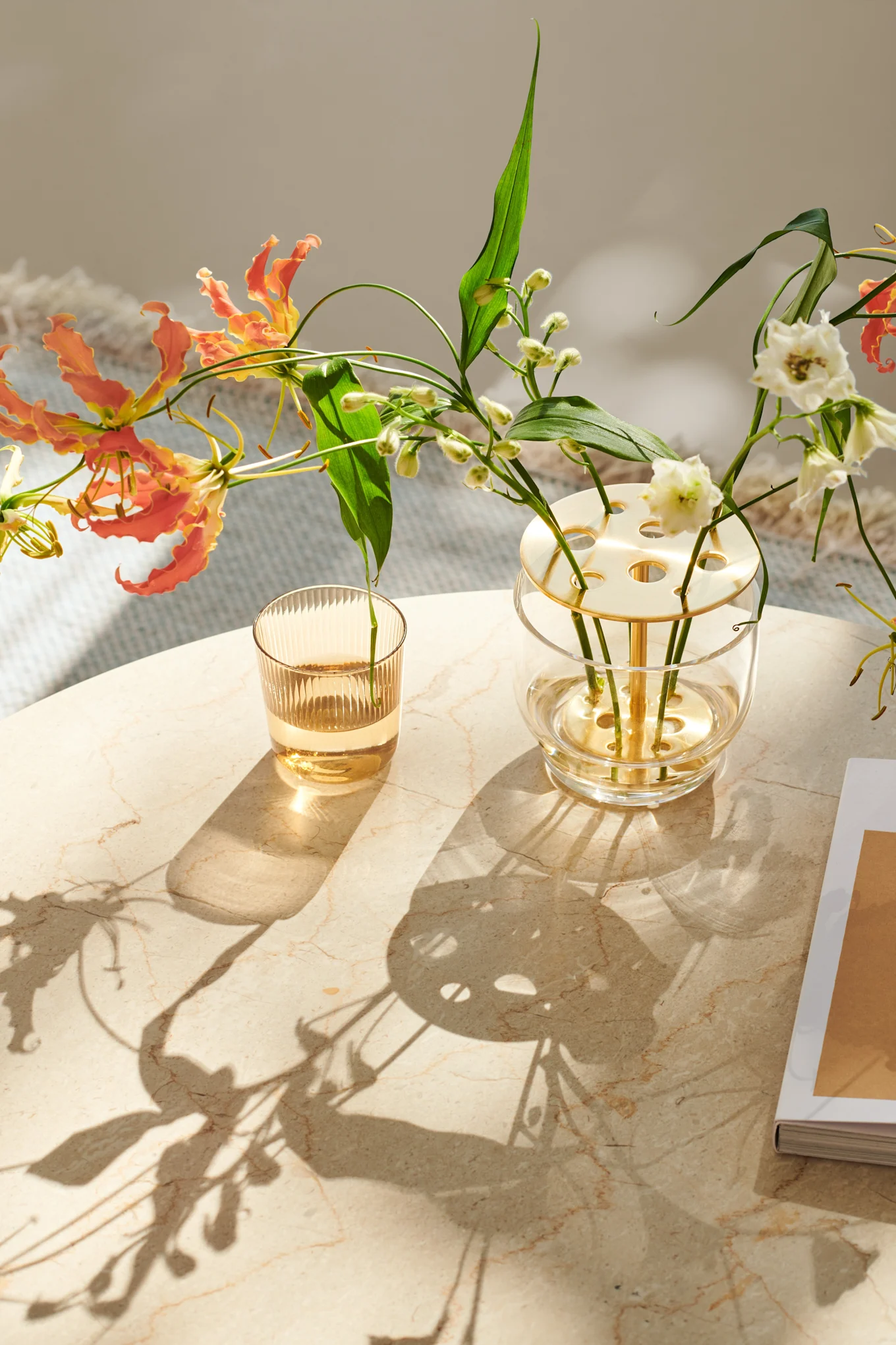
- A flower frog (also called kenzan) or floral holder
- A few stems of flowers or branches
- Optional: extra greenery or leaves
Step-by-step:
- Choose your main stem. Select a longer branch or flower to represent the main line of the arrangement.
- Add a secondary element, place a one or two slightly shorter stems next to or around the main stem to create balance and direction.
- Step back and observe the composition. Adjust the stems so that each one has space to be appreciated.
- Keep it natural. Allow the stems to follow their natural curves rather than forcing them into straight lines.

Choosing the right flowers
Ikebana finds beauty in simplicity. Each branch and flower in your arrangement should be chosen with intention. In Ikebana it is important to consider the season.
- Pick flowers and branches that reflect the season
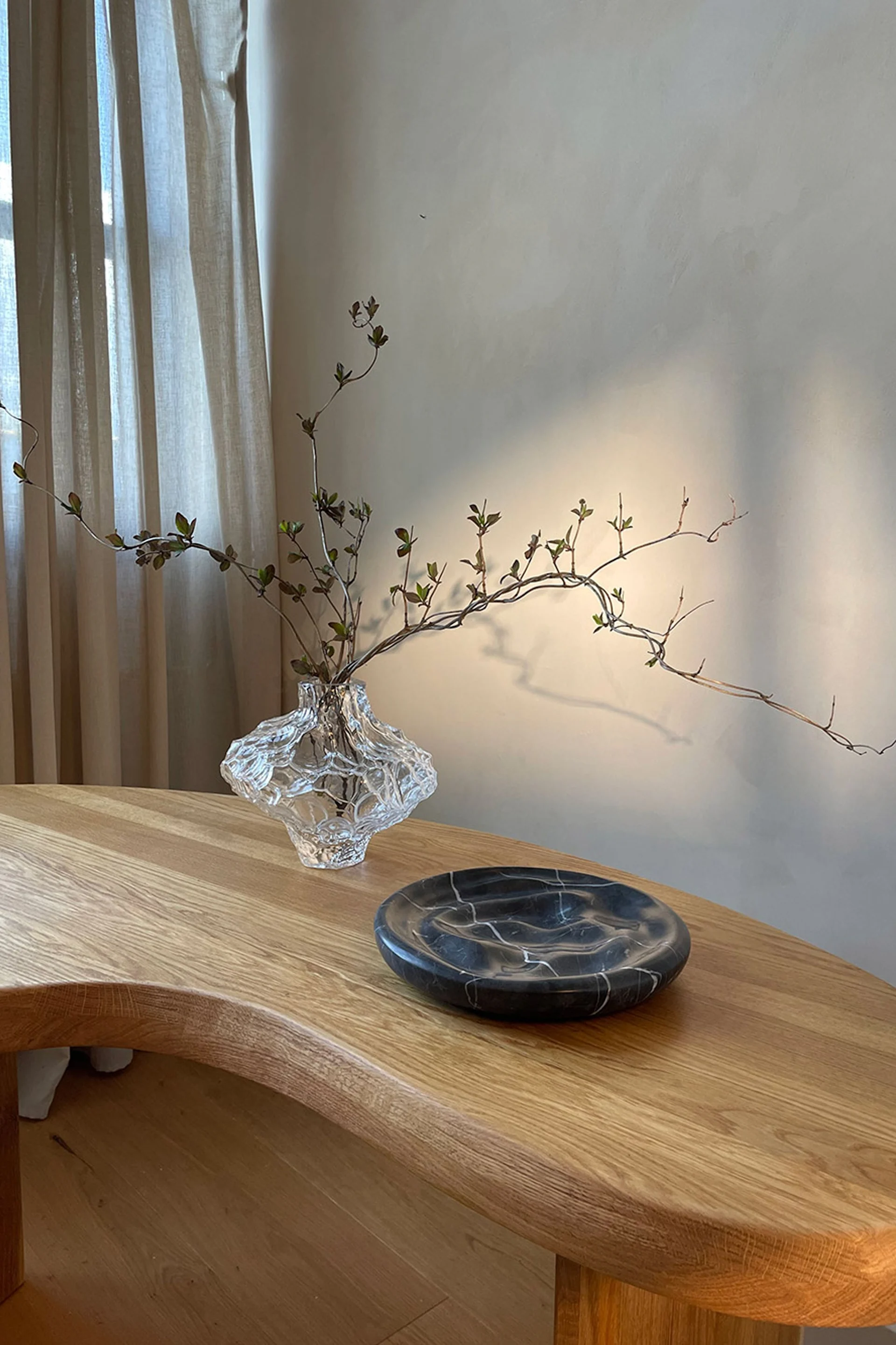
- Branches with interesting shapes and curves
- Leaves or grasses for texture
- Buds, berries or seed heads.
The key is to look for shapes and lines rather than quantity. A single dramatic branch can sometimes be more expressive than a dozen flowers.
A moment of calm in everyday life
One of the reasons Ikebana has remained relevant for centuries is its timeless simplicity, the calm and minimal aesthetic fits beautifully into contemporary interiors. A small Ikebana arrangement on a dining table, sideboard or windowsill can add a focal point to a room, because the arrangements are often compact and minimal they are perfect even for smaller spaces.
Practicing Ikebana is not only about decoration, it is a mindful and creative ritual where you can slow down and take time to observe your flower choices, choose individual stems and arrange them thoughtfully to bring a moment of calm to everyday life.
Sometimes, all it takes is a single branch, a flower and a little space to create something beautiful.
Photos: Ferm Living, Blomus, Audo Copenhagen, Hein Studio, Fritz Hansen, Skrufs Glasbruk, @helenas.hem

Create your own Ikebana flower arrangement
Customer Service
Selection
Inspiration