FREE SHIPPING FOR ORDERS OVER $199
60 DAYS RETURN POLICY
5% OFF FOR NEWSLETTER-SIGN UP
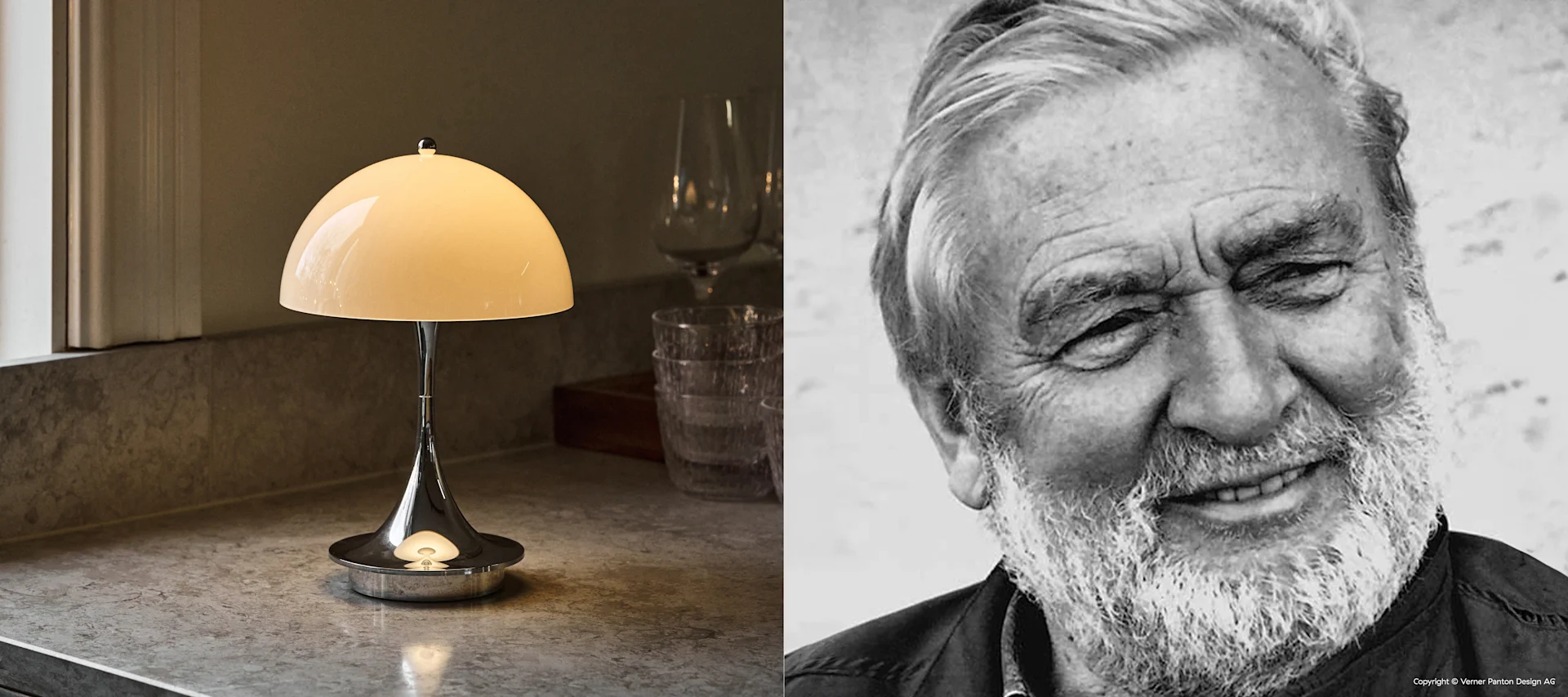
100 Years of Verner Panton – A century of colour, form and visionary design
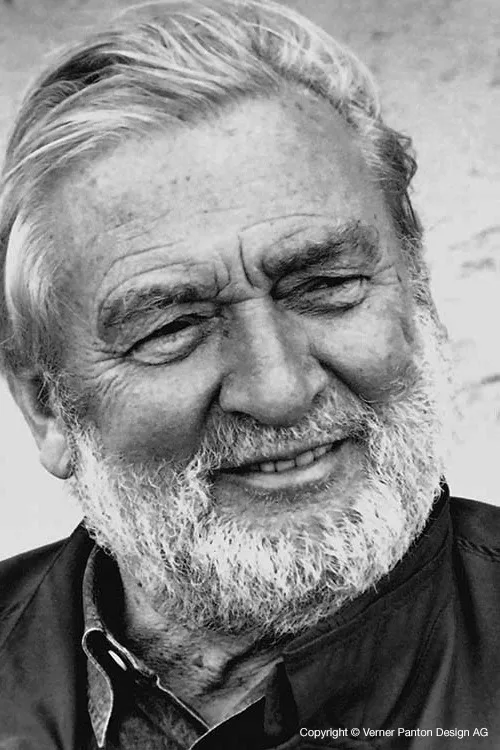
From architect to experimental visionary
Born in 1926 on the Danish island of Fünen, Verner Panton showed an early interest in design and architecture. He studied at the Royal Danish Academy of Fine Arts in Copenhagen, graduating in 1951. Shortly after, he worked in the architectural studio of Arne Jacobsen, one of Denmark’s most influential modernists.
Panton soon felt the urge to follow his own path. By the early 1950s he had established his own studio, driven by curiosity and a desire to explore new materials, new shapes and new ways of living. Where much Scandinavian design at the time was about restraint and natural materials, Panton looked toward bold expression and technological innovation.
Breaking with tradition
From the outset, Panton questioned how furniture should look and function. He was fascinated by the possibilities of polymers, a material that was still relatively innovative, it allowed forms to be moulded freely and produced in vivid colours. At a time when polymers were considered unconventional, Panton saw it as a tool for creative freedom.
This vision culminated in one of the most iconic designs of the twentieth century, the Panton Chair. Developed over many years and finally put into production in the late 1960s, it became the world’s first single piece chair made entirely of moulded polyurethane foam. With its flowing silhouette and vibrant colour palette, it captured the spirit of a new era and cemented Panton’s place in design history.
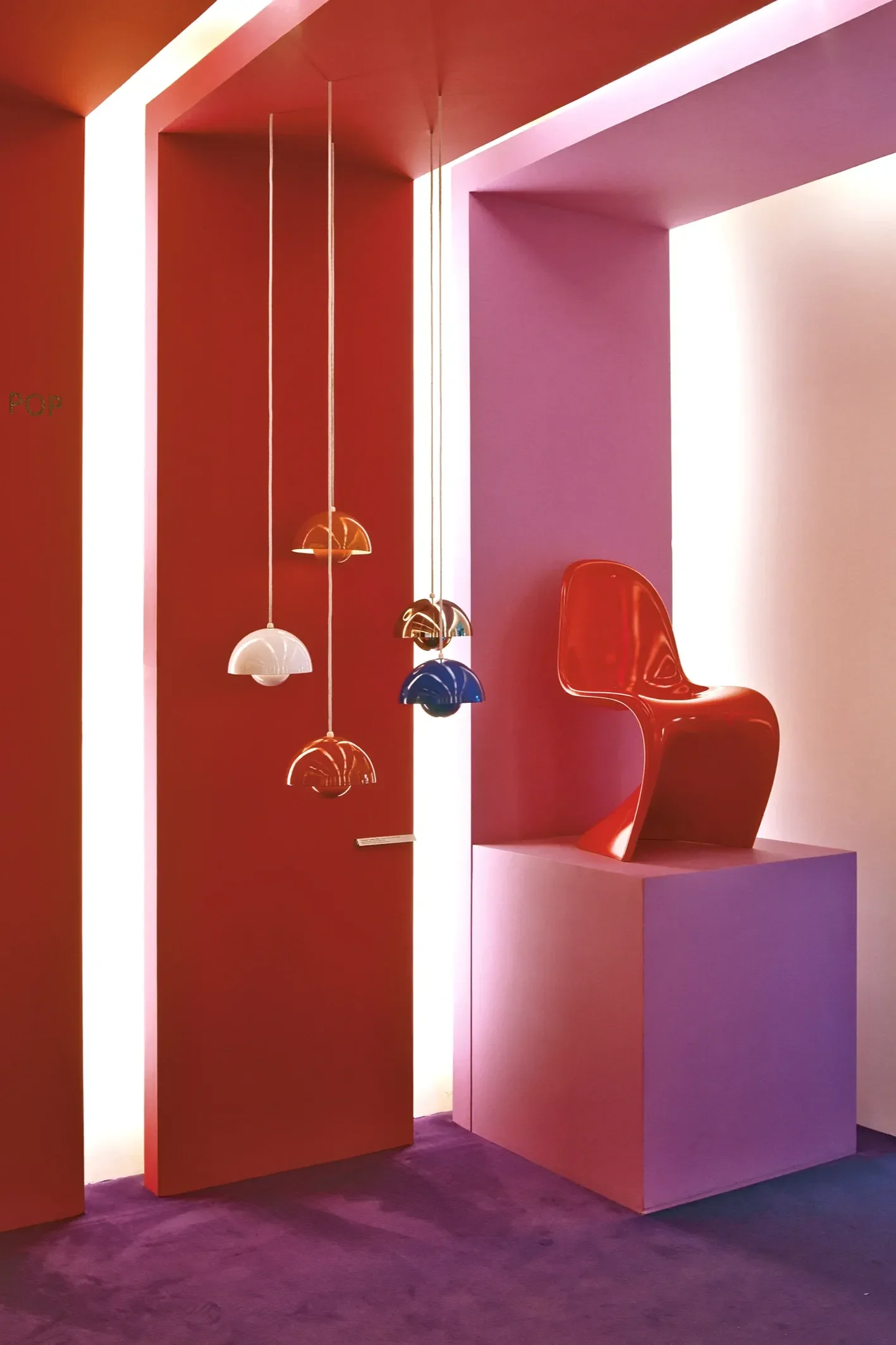
Photo: Pernille Klemp – Danish Design Museum
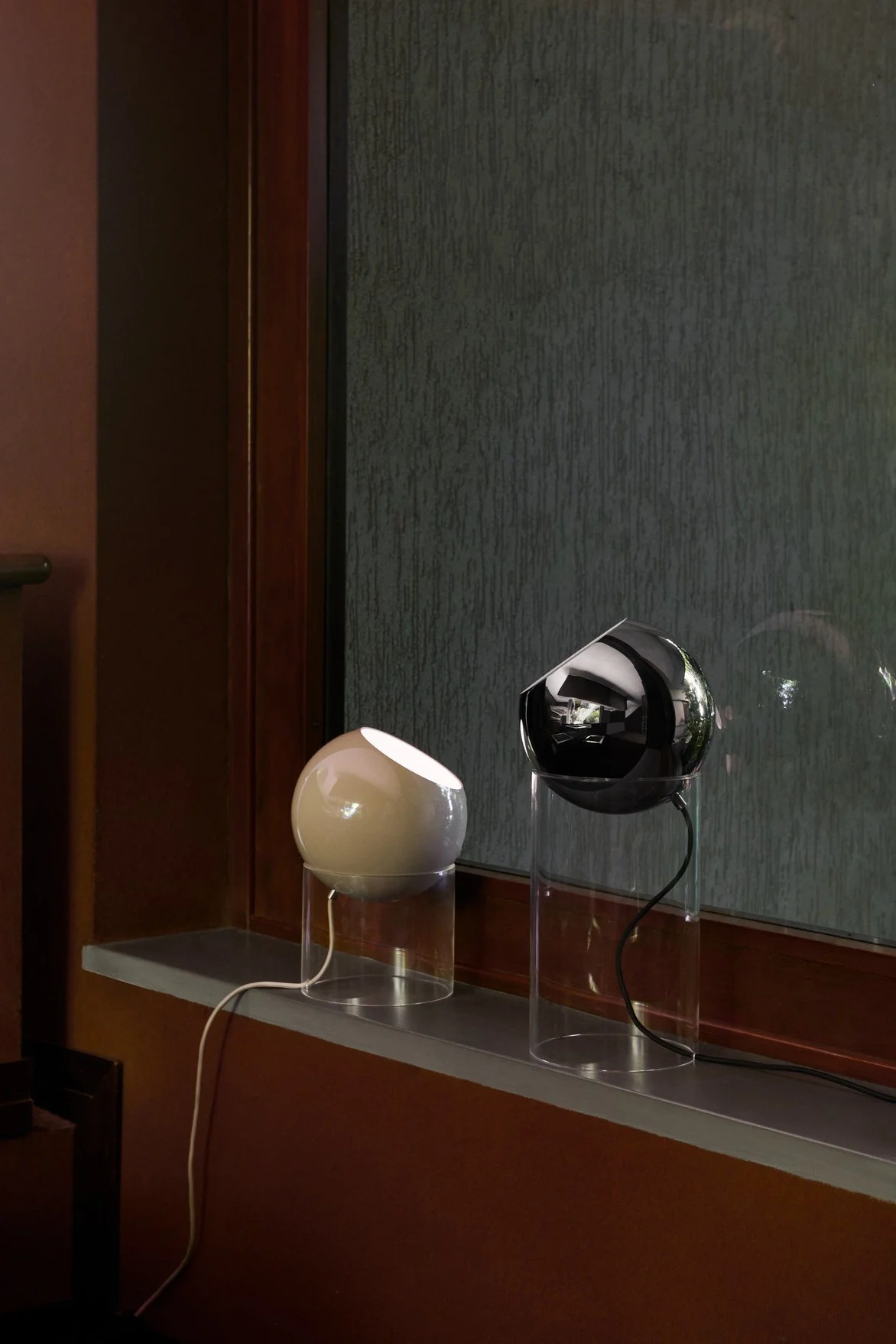
Rediscovered icons
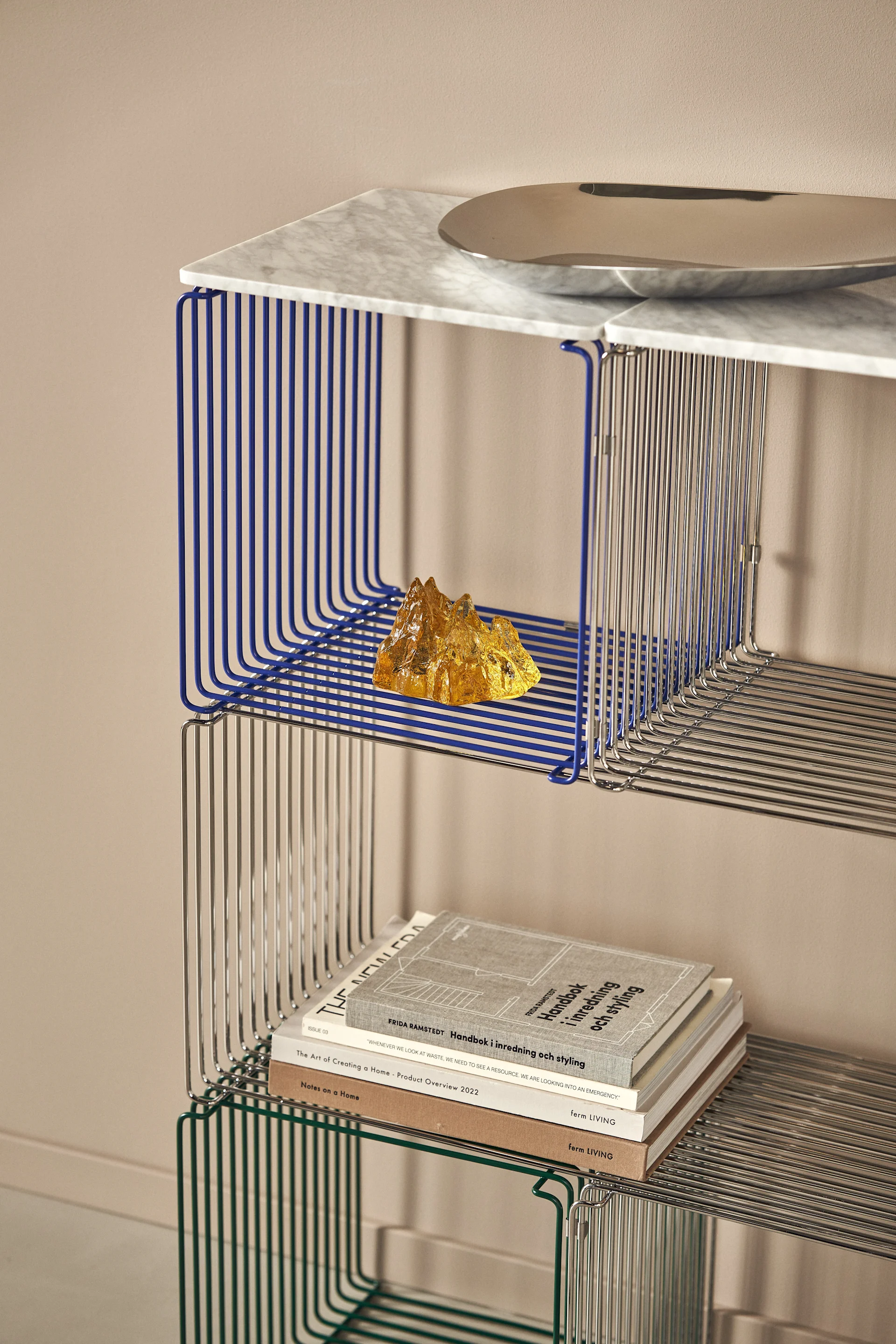
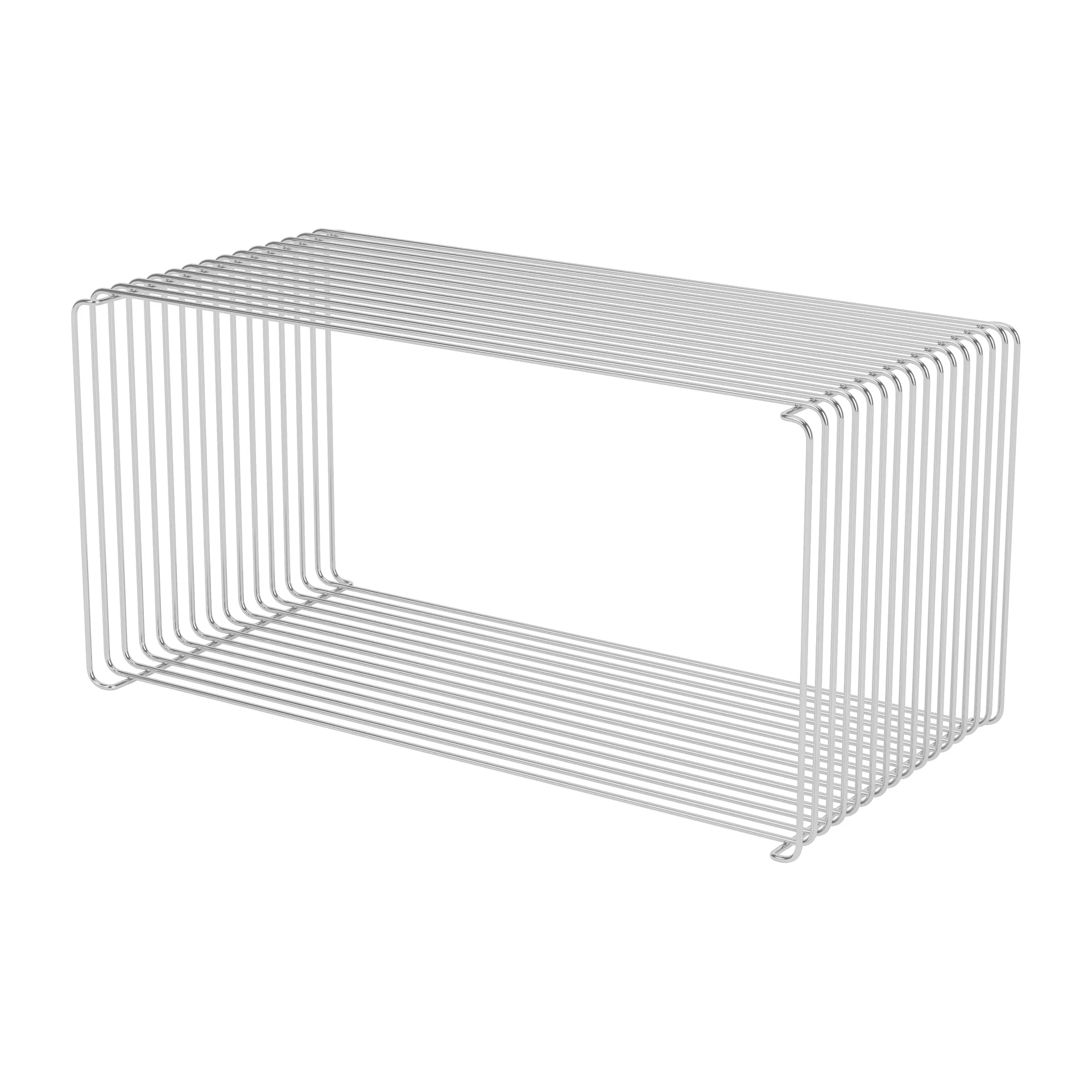
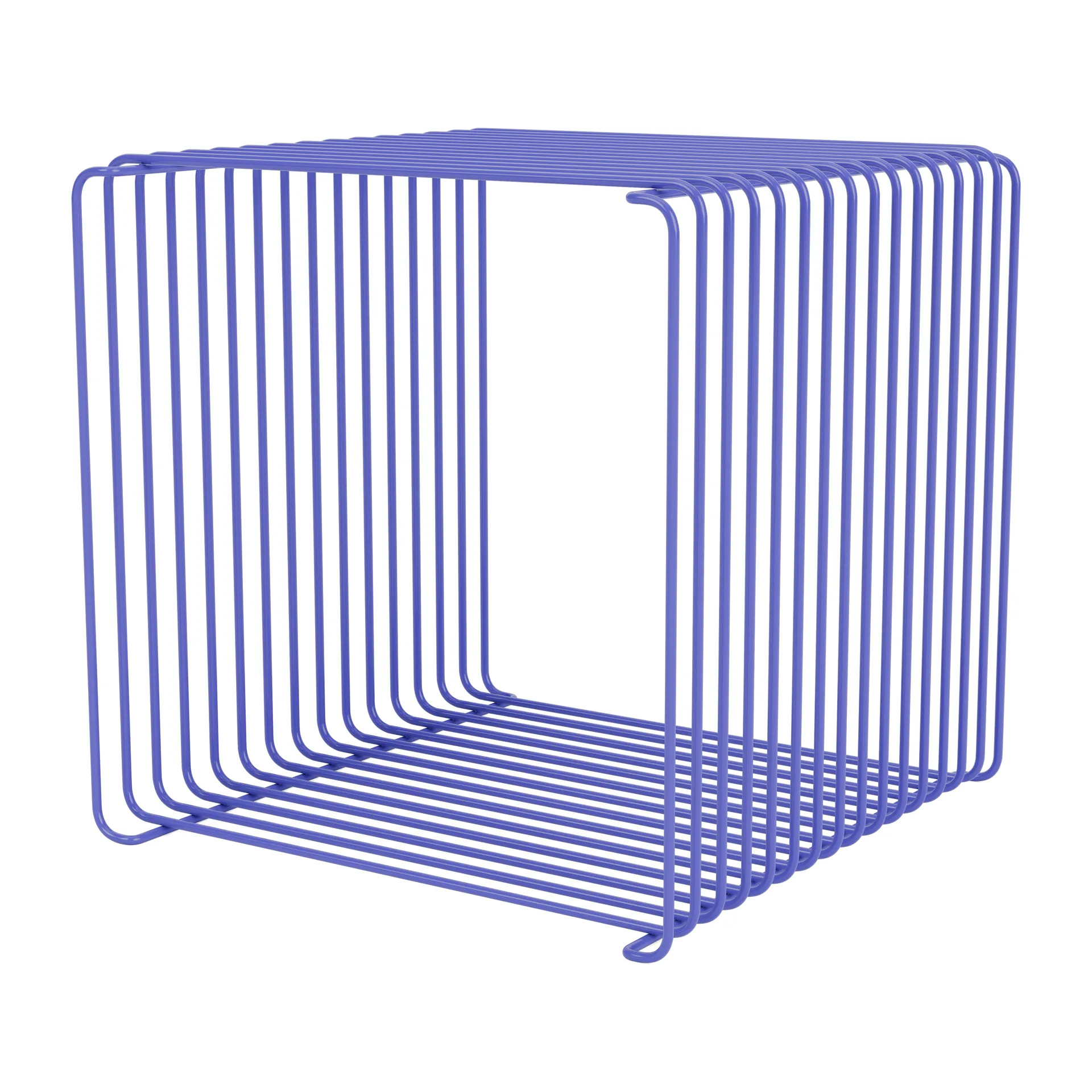
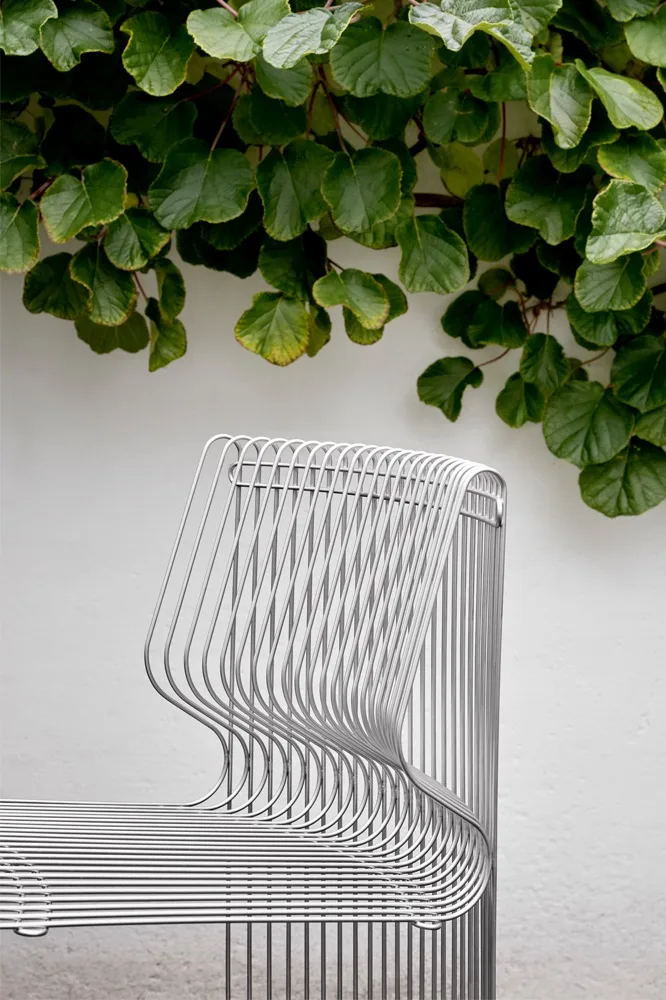
While the Panton Chair often stands as Verner Panton’s most recognisable work, a new generation of design lovers is rediscovering other parts of his furniture legacy. Pieces such as the Panton Wire shelf and the Pantonova modular sofa are gaining renewed popularity, valued for their clarity of form, modular thinking and bold yet surprisingly versatile expression.
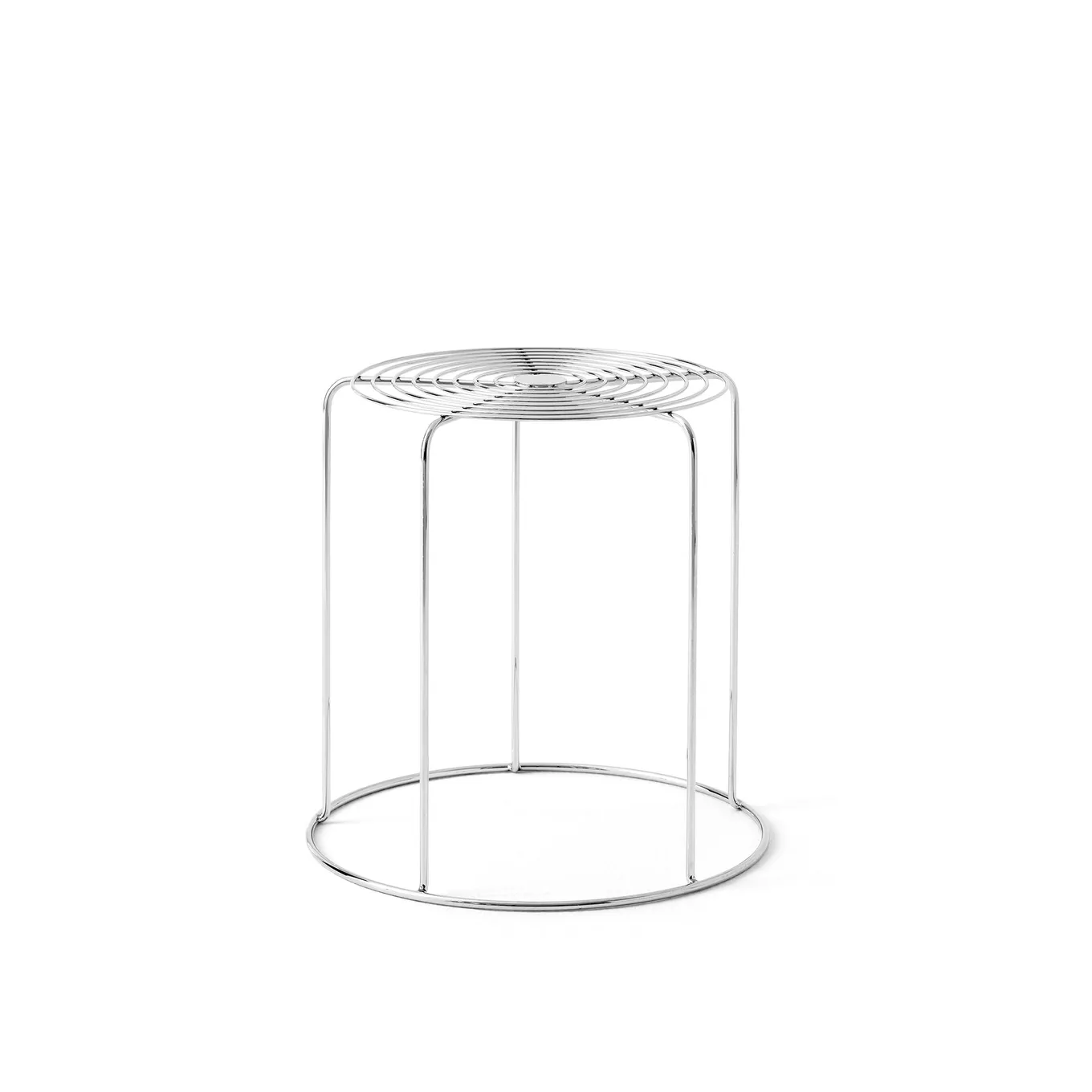
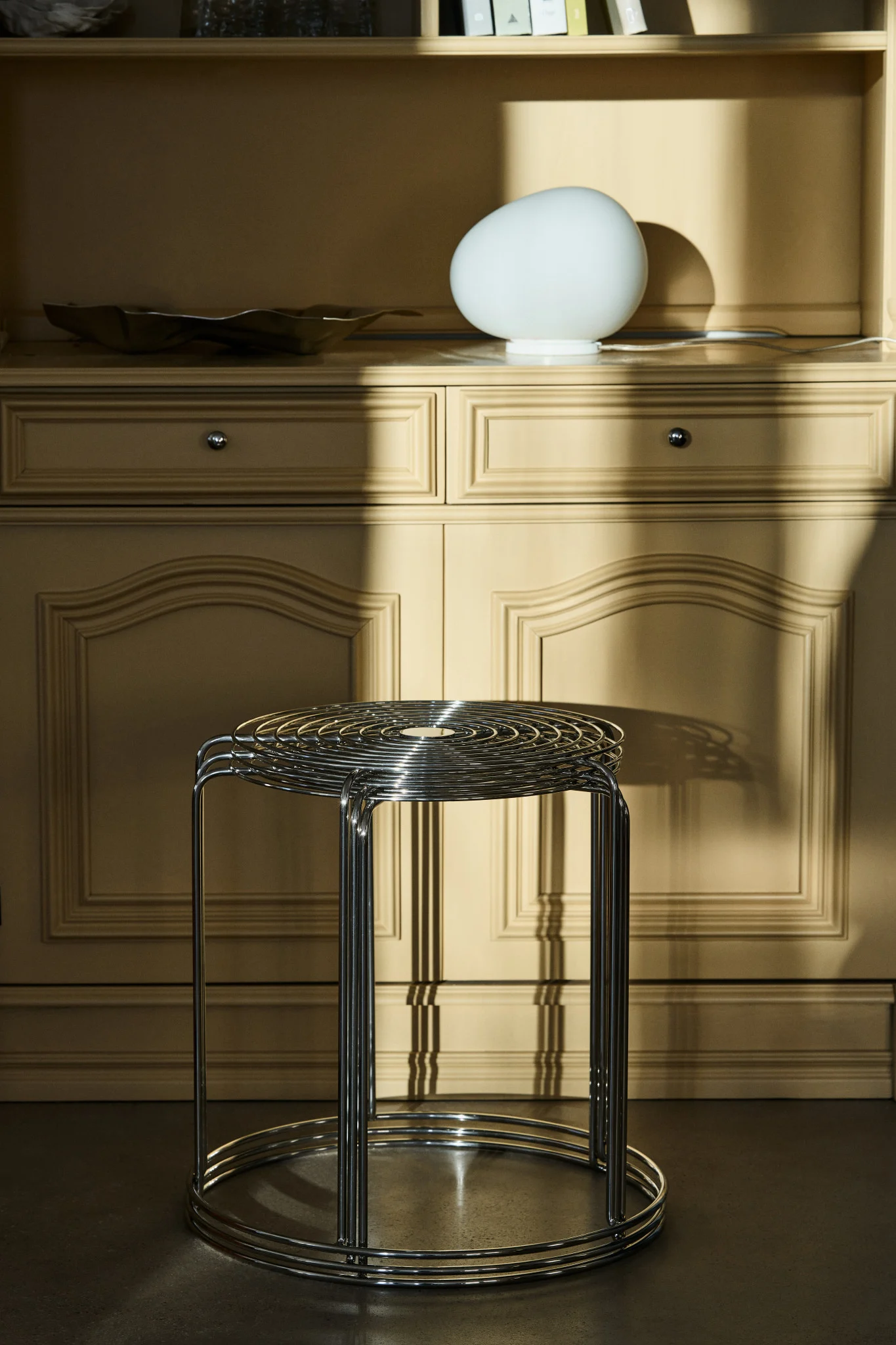
The Panton Wire system, originally designed in the early 1970s, reflects Panton’s fascination with repetition, rhythm and industrial materials. Its grid-like steel structure feels graphic and architectural, balancing lightness with strength. Today, it fits seamlessly into contemporary interiors where open shelving and flexibility are key, proving that Panton’s ideas about adaptable living were far ahead of their time.
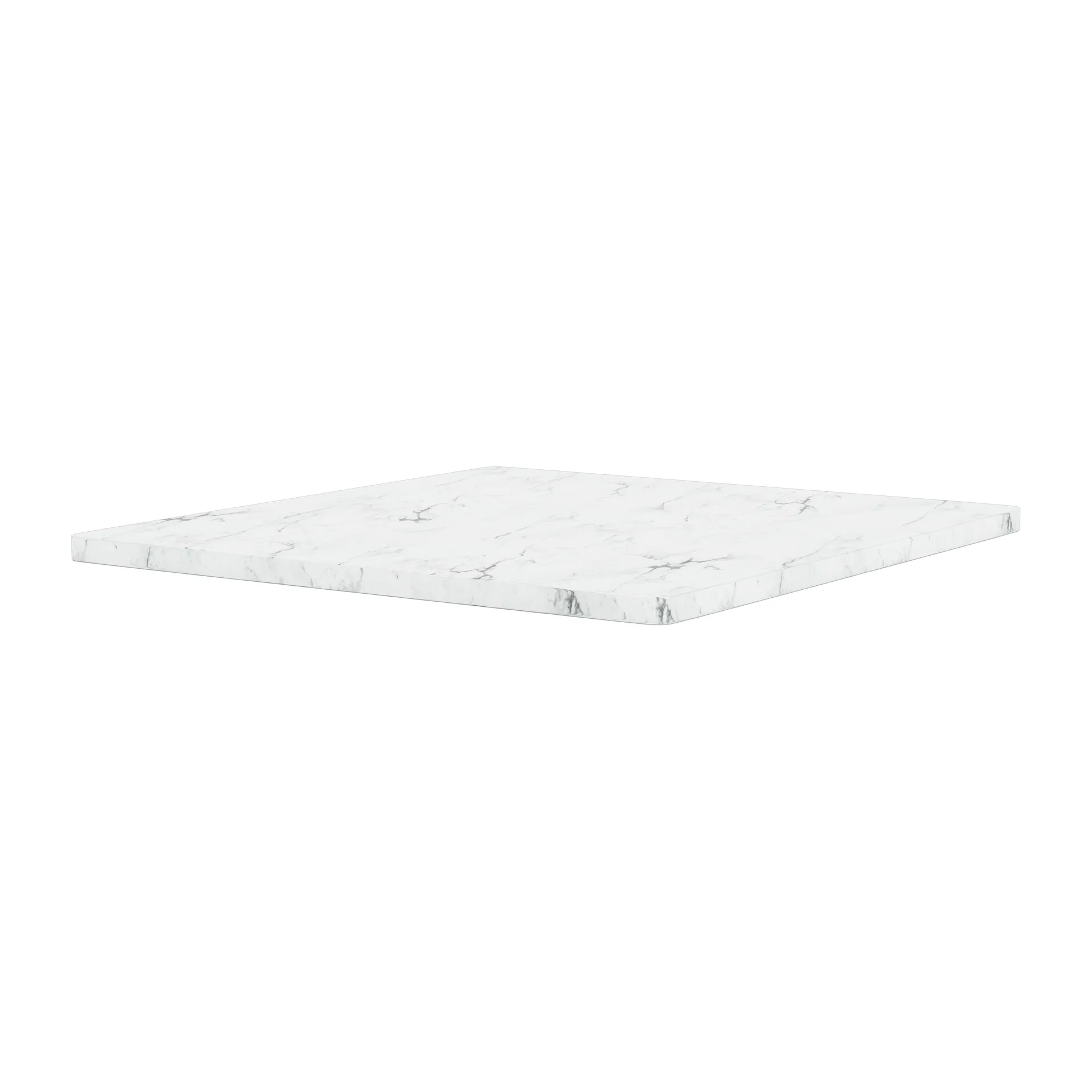
Equally relevant is the Pantonova modular seating system. Designed to be reconfigured and expanded, it anticipated today’s desire for adaptable furniture that evolves with changing needs.
Together, these designs highlight an important aspect of Panton’s work: his ability to think systemically, designing furniture not just as isolated objects, but as components of a larger, dynamic living environment. Their renewed popularity is not driven by nostalgia alone, but by how naturally they respond to the way we live today.
Design should be an immersive experience
Furniture was only one part of Panton’s creative universe. He believed that design should be experienced as a whole and often worked across interiors, lighting and architecture simultaneously. His most ambitious projects were complete environments in which every surface played a role.
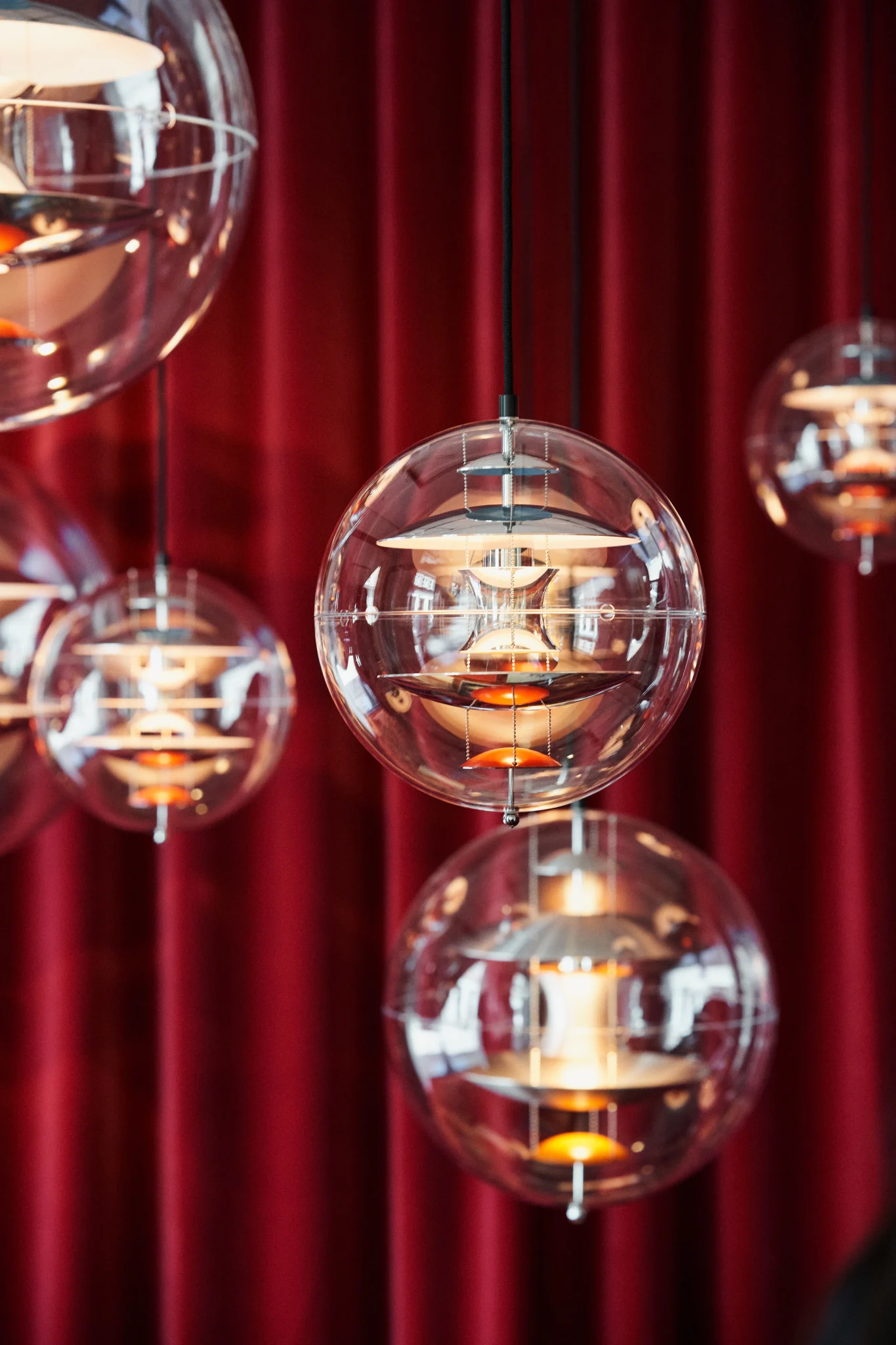
This approach reached its peak with the Visiona exhibitions created for the Cologne Furniture Fair in 1968 and 1970. These immersive installations featured curved walls, saturated colours and custom designed furniture, inviting visitors into dreamlike spaces that blurred the boundaries between art, design and everyday life.
Another landmark project was his interior design for the Spiegel Publishing House in Hamburg, where colour, form and function came together in a cohesive and expressive whole.
The power of colour
For Panton, colour was never an afterthought. It was a central design tool, capable of influencing mood, perception and movement. He often worked with monochromatic interiors, allowing a single hue to dominate an entire room and create a powerful sensory experience.
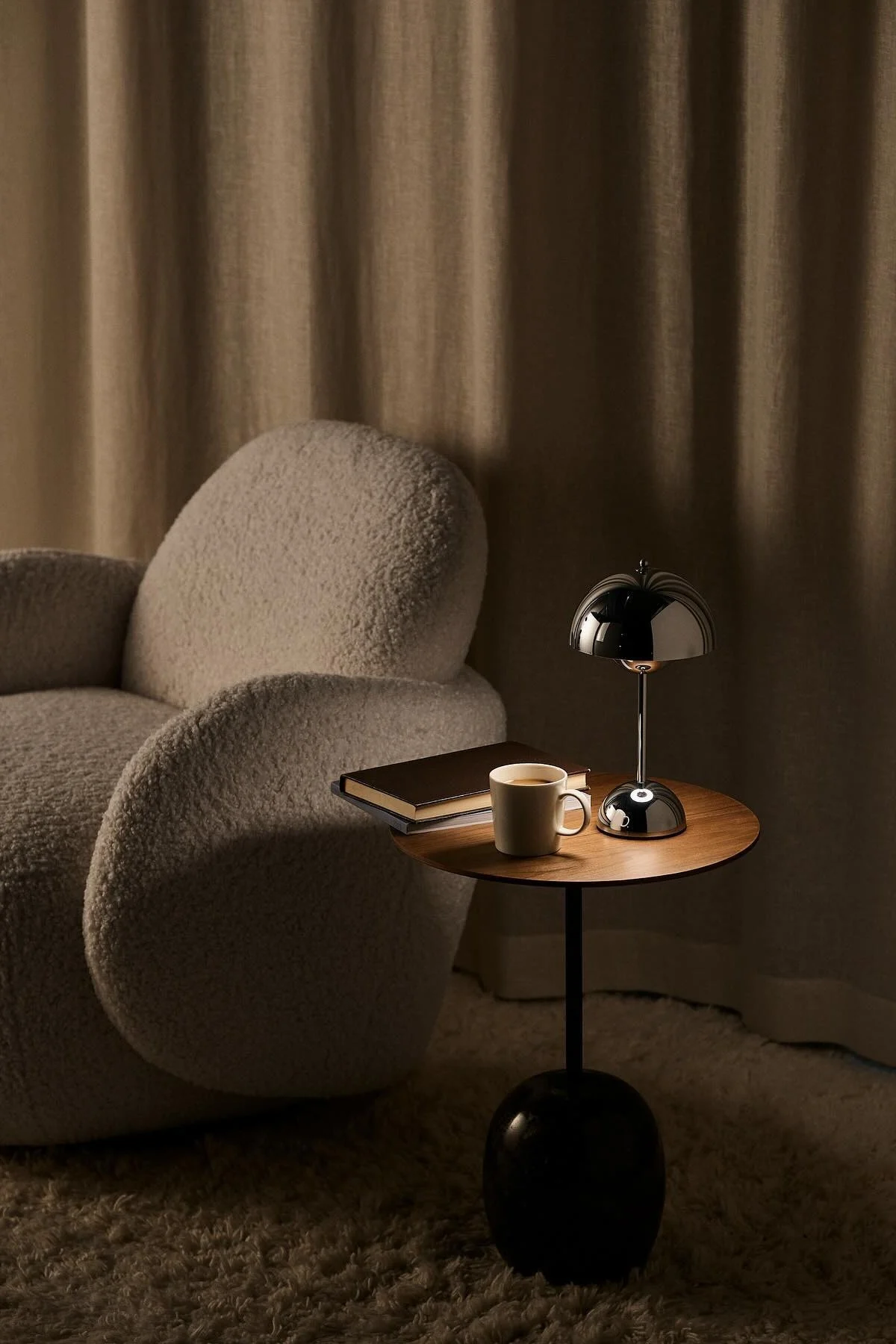
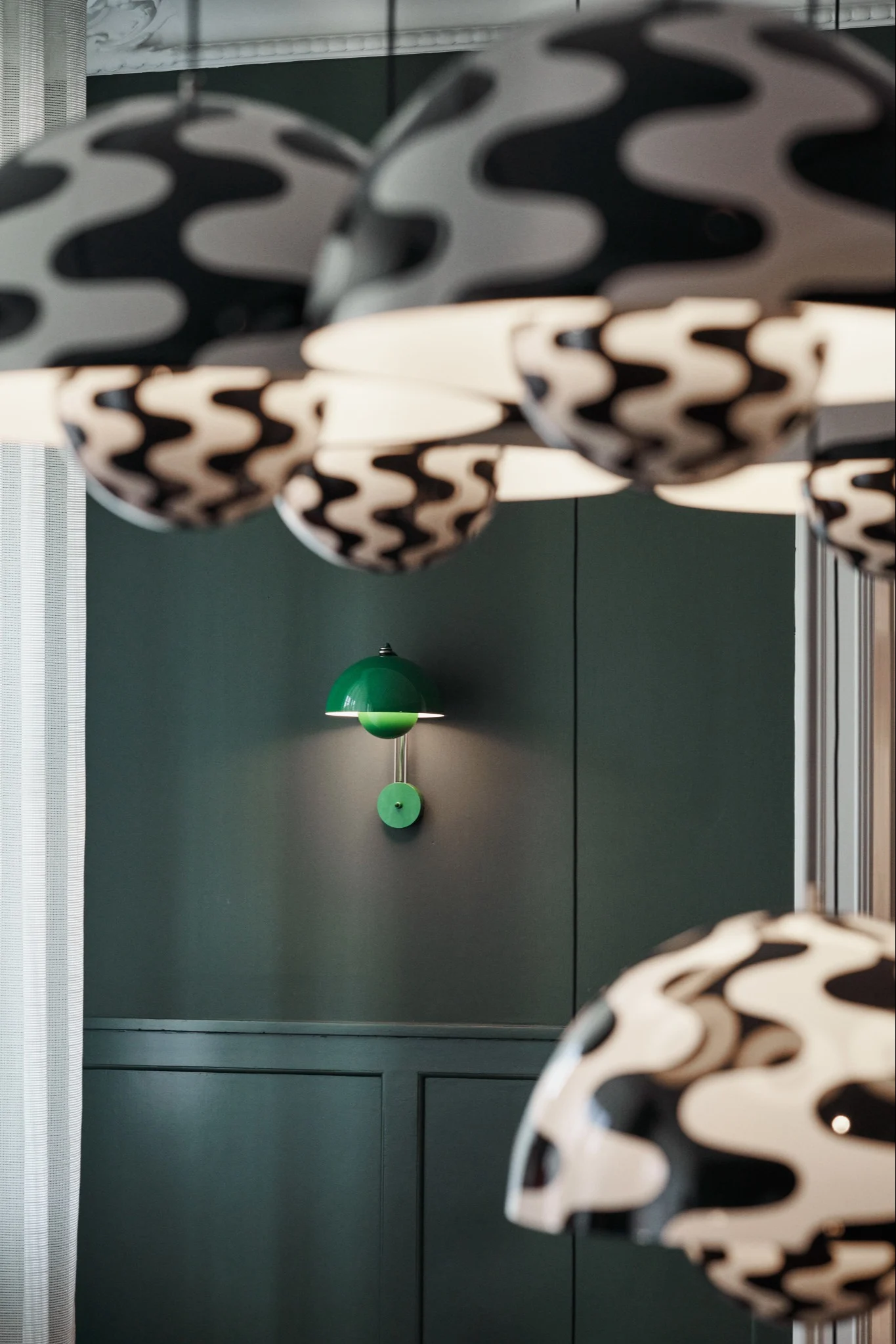
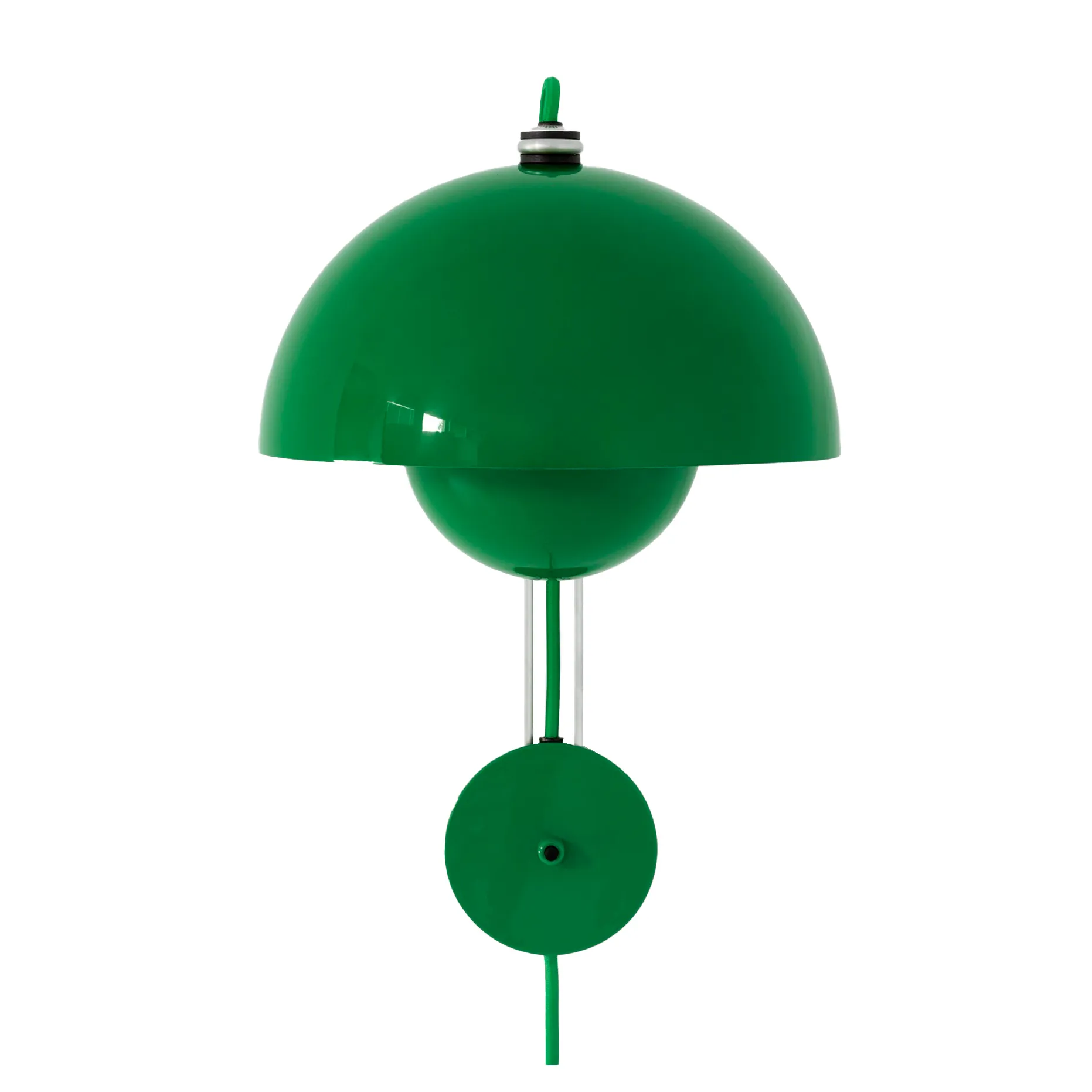
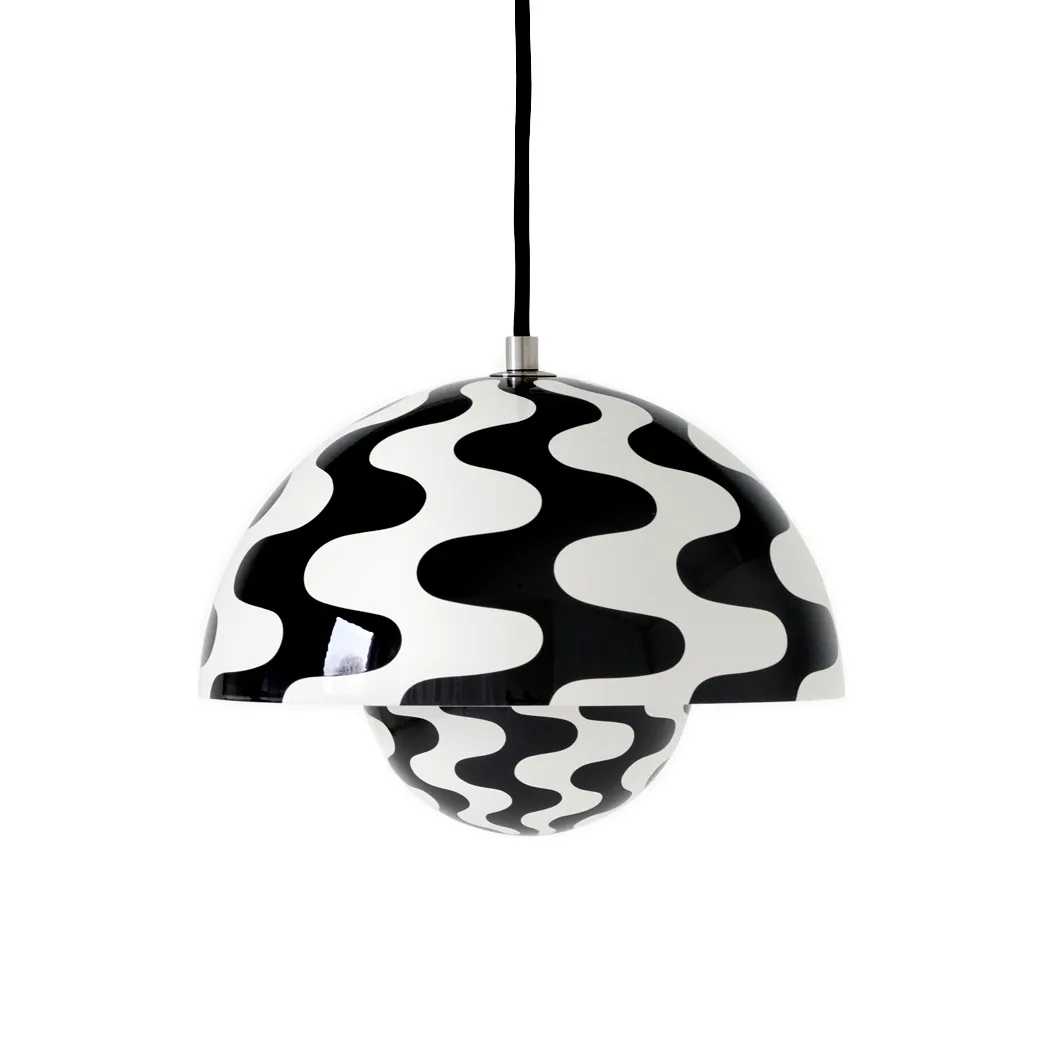
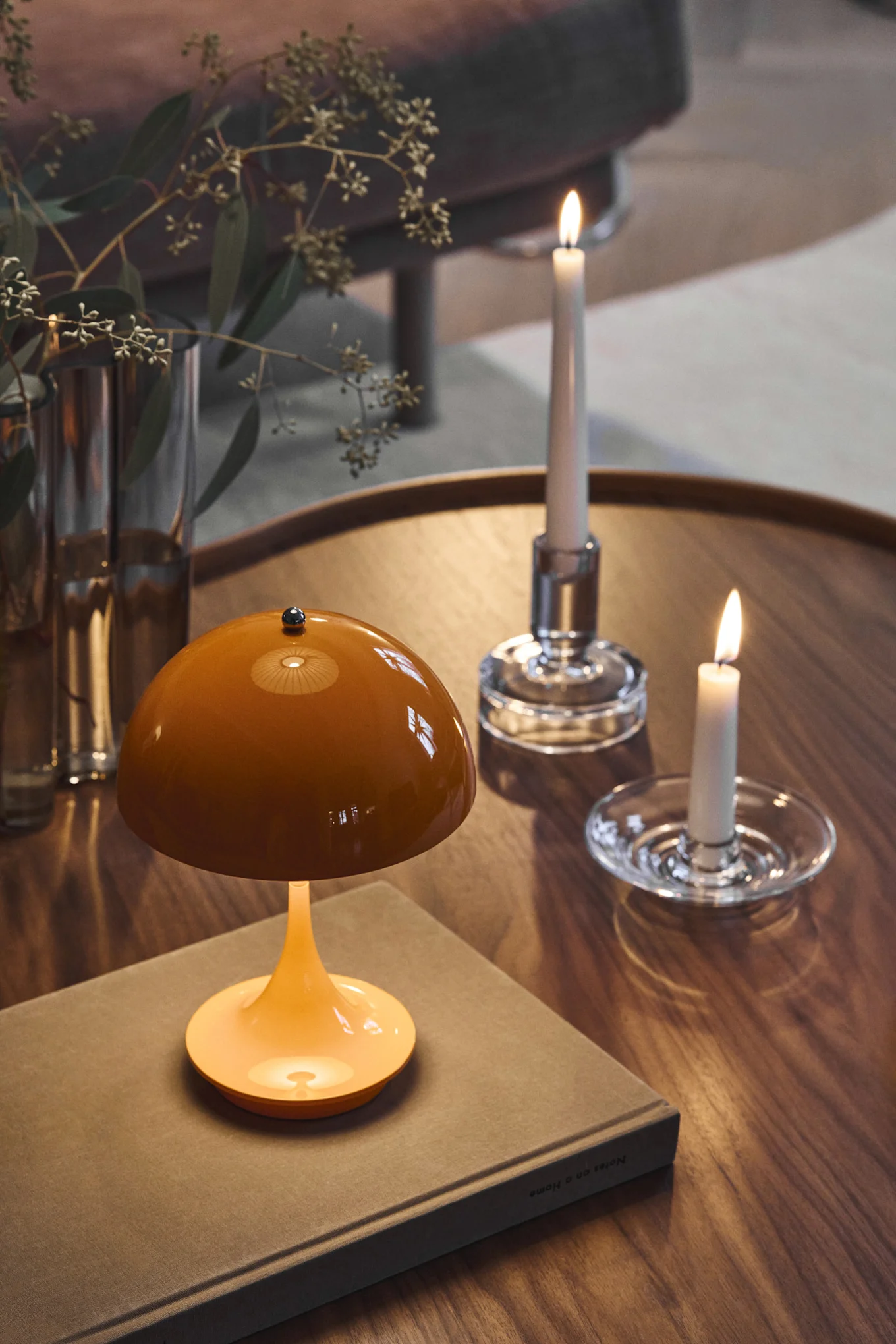
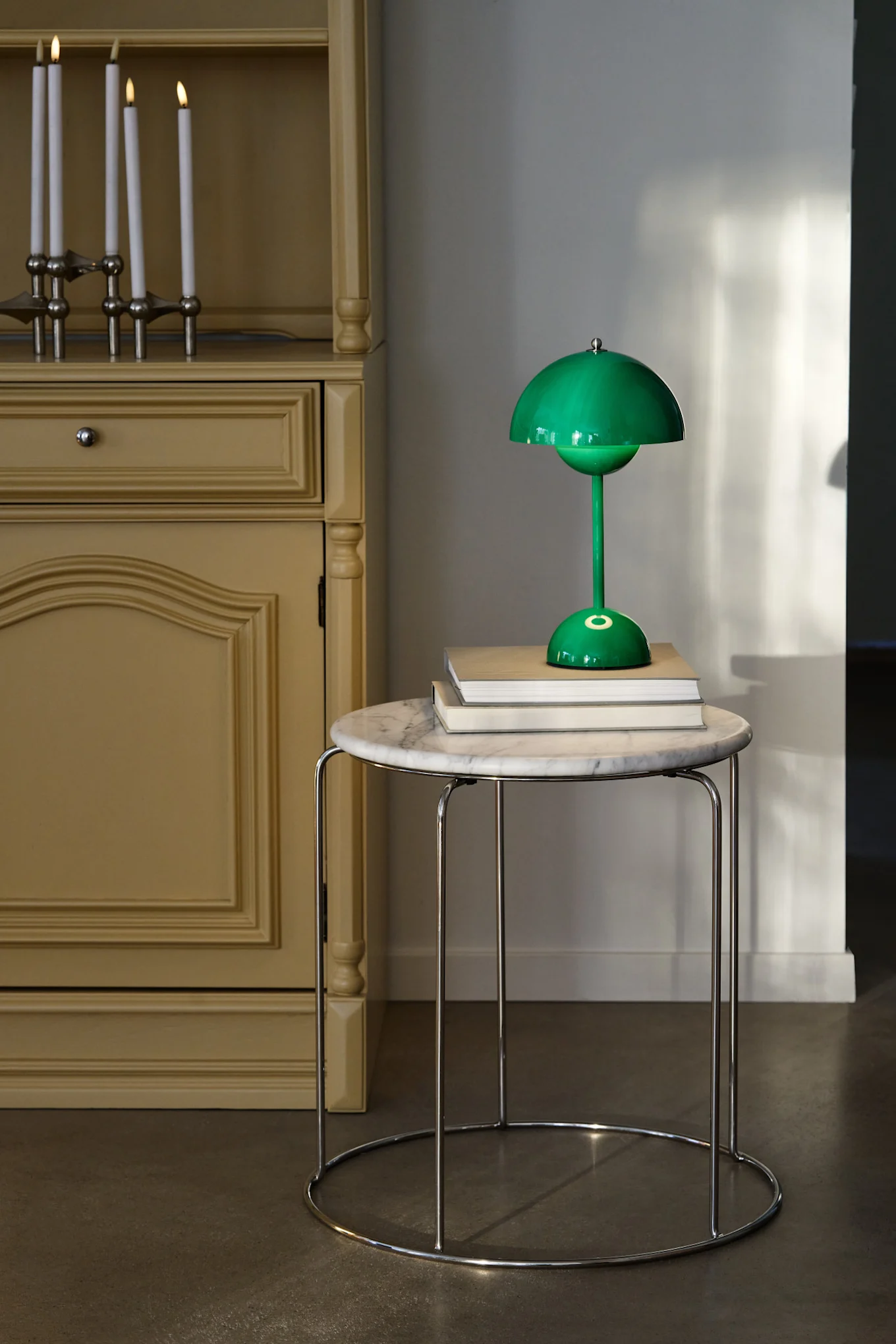
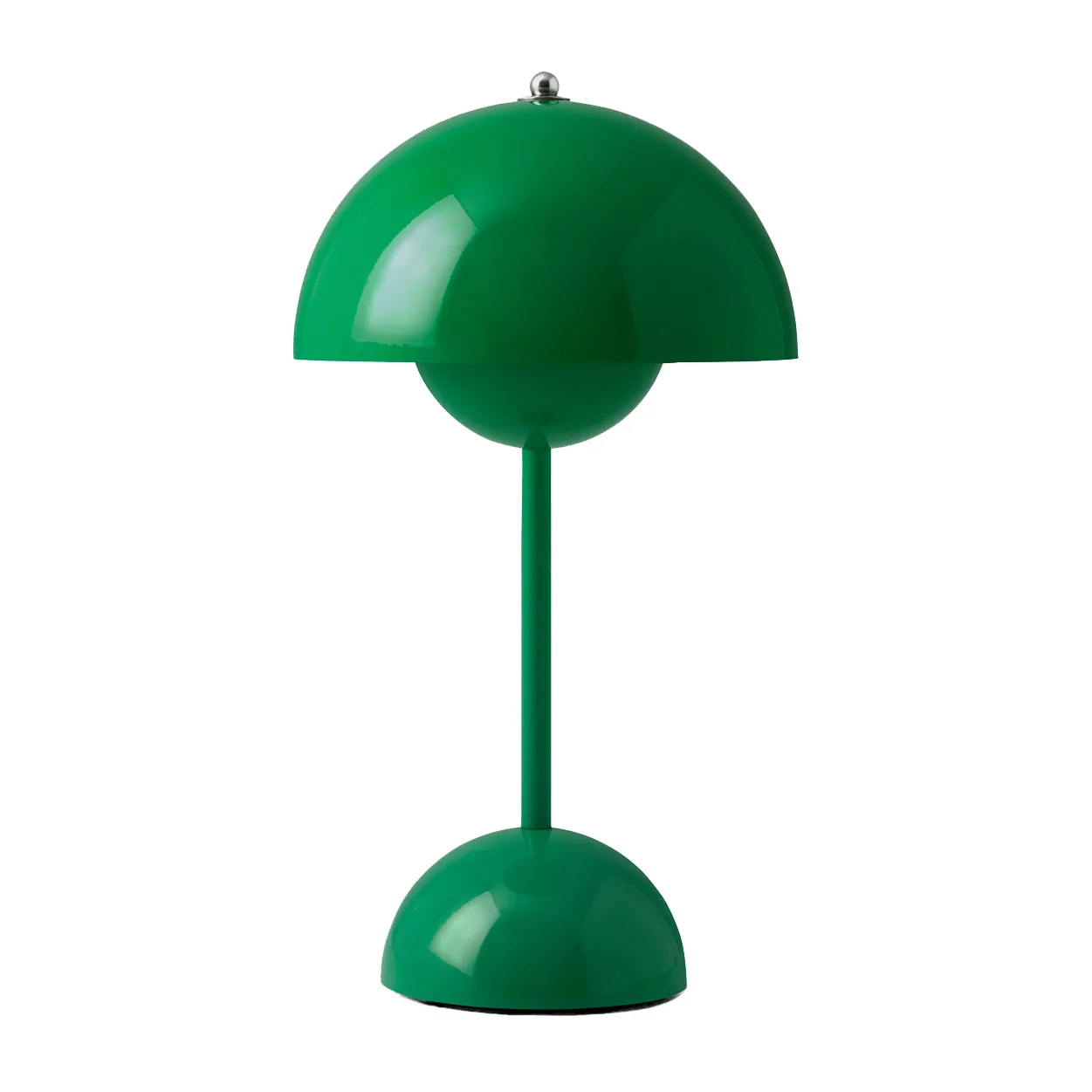
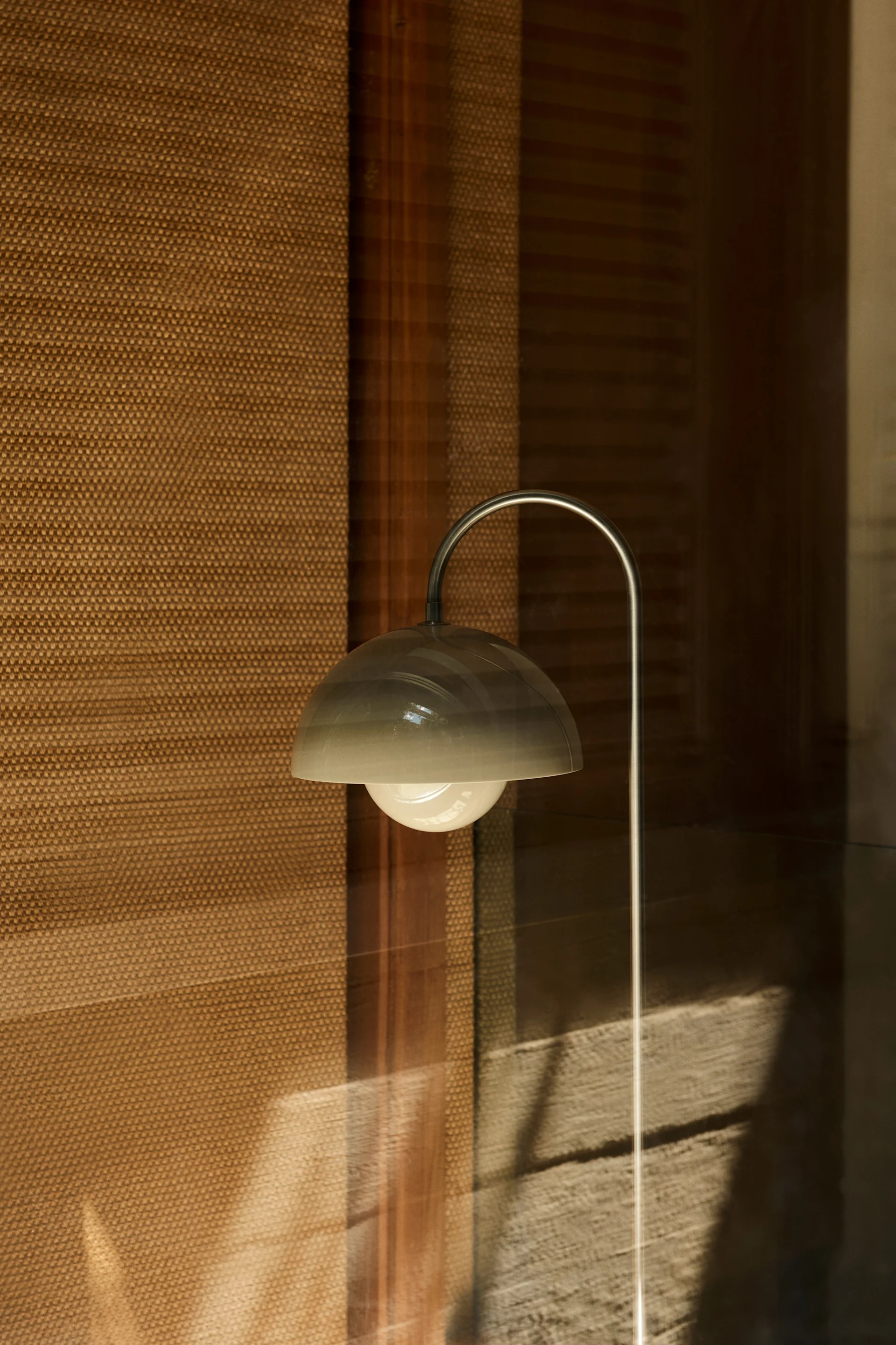
His lighting designs reflect this philosophy beautifully. Lamps such as the Flowerpot and Panthella combine soft organic forms with playful colour, balancing sculptural presence with everyday functionality. These designs have become enduring classics, continuing to feel fresh and contemporary decades after their creation.
A lasting legacy
Throughout his career, Verner Panton collaborated with international manufacturers, received numerous awards and exhibited his work around the world. Even in his later years, he continued to experiment and challenge expectations, remaining curious and creatively driven until his death in 1998.
Today, many of his designs are still in production and widely celebrated. Panton’s work continues to inspire designers, architects and creatives across generations.
In an era where colour, expression and individuality are once again taking centre stage, Verner Panton’s work feels more relevant than ever. He showed that design can be joyful, bold and emotionally engaging, without sacrificing functionality. One hundred years on, Verner Panton’s legacy lives on in spaces that dare to be playful, in objects that challenge convention and in the belief that design should be experienced with all the senses.
Photo: Ardijan Mahmutaj, Pernille Klemp, Danish design museum, Verner Panton design AG, &Tradition, Montana

MORE BY VERNER PANTON
Show more
Customer Service
Selection
Inspiration